Graves' disease is an autoimmune disorder that occurs when the immune system attacks the thyroid gland, and it is characterized by overproduction of thyroid hormones. The disease causes an overactive thyroid gland (hyperthyroidism) and is most common in women under the age of 40. The main goal of treatment is to balance thyroid hormone production and relieve the symptoms of the disease.
Symptoms of Graves' Disease
Graves' disease can present with a variety of symptoms. These symptoms usually result from an imbalance in hormone levels and may include:
- Anxiety and Irritability: Patients often feel extremely anxious or tense for no apparent reason.
- Tremor in the Hands and Fingers: Mild tremors that affect fine motor skills are common.
- Excessive Sweating: Sweating more than usual may be a result of hormonal imbalances.
- Moist Skin: The skin often becomes moister and softer than usual.
- Weight Loss: Weight loss can occur even though diet and exercise habits have not changed.
- Muscle Weakness: There may be a feeling of weakness, especially in the upper arms and thighs.
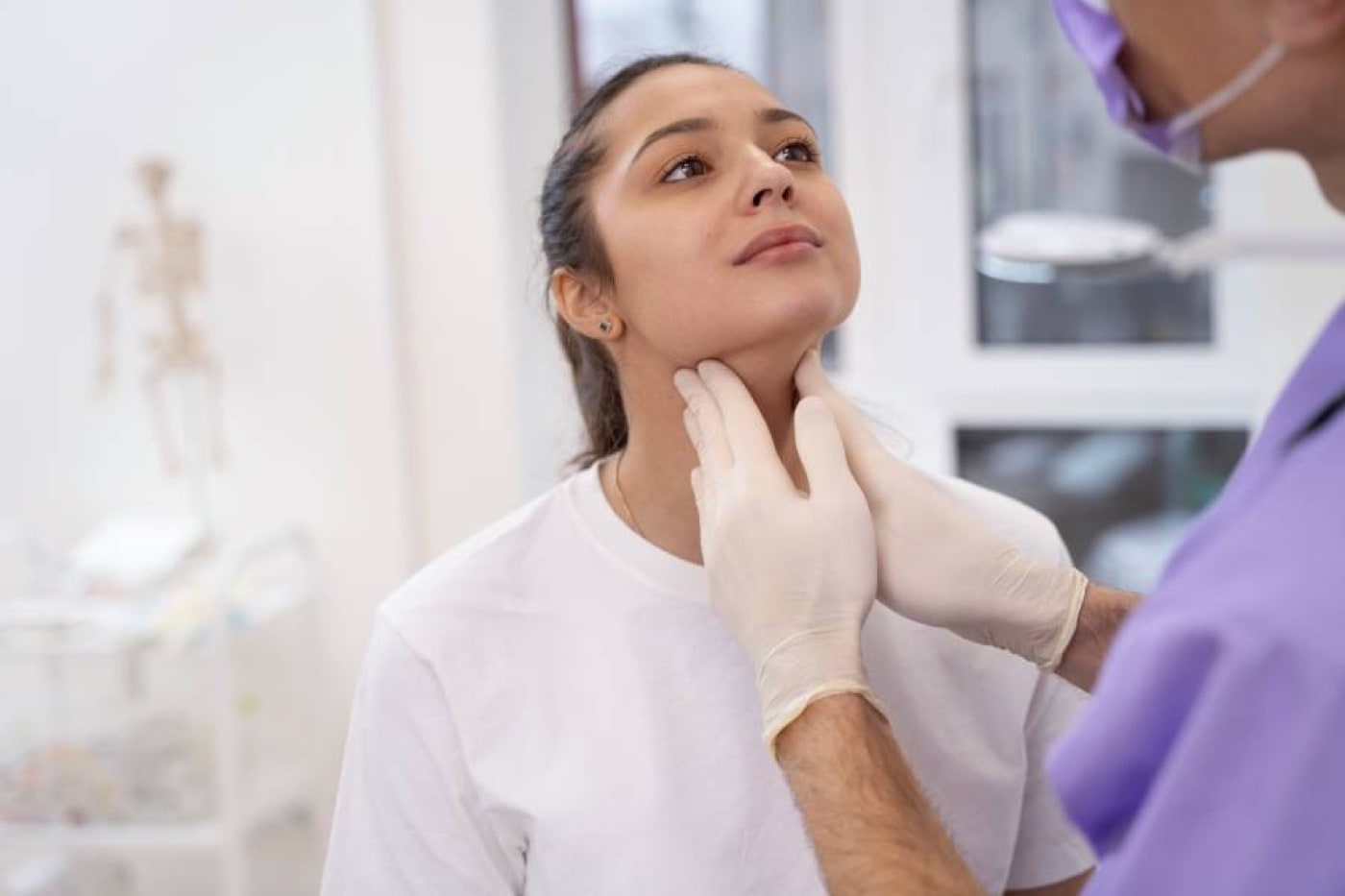
- Goiter: Swelling may develop in the neck as the thyroid gland enlarges.
- Menstrual Irregularities: Women may have irregularities in their menstrual cycle.
- Erectile Dysfunction and Reduced Libido: Men may develop sexual dysfunction.
- Diarrhea: The digestive system can also be affected, which may result in frequent diarrhea.
- Palpitations: A fast or irregular heartbeat is common.
- Bulging Eyes: Known as Graves' ophthalmopathy, this condition makes the eyes appear protruding and shiny.
- Thick, Red Skin on the Feet: The skin may thicken and redden, especially on the legs and feet.
Graves' Ophthalmopathy (Bulging Eyes)
As a complication of Graves' disease, about 30% of patients may develop Graves' ophthalmopathy. This occurs when the immune system attacks the muscles and fatty tissue around the eyes. Symptoms may include:
- Pressure or Pain in the Eyes: There may be a feeling of discomfort or pressure in the eyes.
- Puffy or Retracted Eyelids: The eyelids may pull back from the eyeball or look puffy.
- Red Eyes: The eyes may become red and irritated.
- Light Sensitivity: Patients may become extremely sensitive to bright light.
- Double Vision or Vision Loss: Vision problems, and even vision loss, may occur.
Diagnosis of Graves' Disease
Graves' disease is usually diagnosed using several different methods. These include:
- Measurement of Thyroid Hormones: Blood tests are used to determine thyroid hormone levels.
- Thyroid Ultrasound: The structure and size of the thyroid gland are examined with ultrasound.
- Thyroid Scintigraphy and Uptake Test: These tests are used to assess how well the thyroid gland absorbs radioactive iodine.
Treatment Options for Graves' Disease
There are several different approaches to treating Graves' disease. The treatment method is chosen according to the severity of the disease and the patient's age and general health:
1. Antithyroid Medications
Antithyroid medications reduce thyroid hormone production by preventing the thyroid gland from using iodine. These medications are usually taken long term, for 9–24 months, and the chance of the disease going into complete remission is about 50%. However, they can have side effects such as rash, joint pain and abdominal pain.
These medications are usually taken long term, for 9–24 months, and the chance of the disease going into complete remission is about 50%.
2. Beta-Blockers
Beta-blockers reduce the effects of thyroid hormones on the body, but they do not stop hormone production. These medications relieve symptoms such as palpitations, sweating and irritability. They are not recommended for people with asthma.
3. Radioactive Iodine (Atom) Therapy
Radioactive iodine therapy is given by taking radioactive iodine by mouth. The radioiodine enters the thyroid cells and gradually destroys the overactive thyroid cells. This treatment is not used in pregnant women, breastfeeding mothers or people with moderate to severe Graves' ophthalmopathy. Thyroid hormone replacement may be needed after treatment.
4. Surgery
Surgery involves removing all or part of the thyroid gland. The procedure should be performed by experienced surgeons and carries risks such as bleeding, hoarseness and damage to the parathyroid glands. Permanent hypothyroidism may develop after surgery, in which case thyroid hormone replacement will be required.
Treatment of Graves' Ophthalmopathy

Different methods can be used to treat Graves' ophthalmopathy, depending on its severity:
- Mild Cases: Recommendations such as using artificial tears, quitting smoking, raising the head of the bed and wearing sunglasses may be sufficient.
- Moderate to Severe Stages: Corticosteroid (cortisone) therapy is usually preferred. However, this treatment can have side effects such as raised blood sugar, increased blood pressure, weight gain and mood changes.
- Surgery or Radiation Therapy: In some cases, eye surgery or radiation therapy may be needed. These treatment options should be evaluated by an ophthalmologist experienced in neuro-ophthalmology.
Graves' ophthalmopathy does not always improve with treatment of Graves' disease and may even get worse during the first 3–6 months. However, it usually stabilizes within a year and then generally begins to improve on its own.
In light of this information, we recommend talking to your doctor for more information about Graves' disease and personalized treatment options.
The information on our website is not intended to direct individuals to any treatment. Do not take any diagnostic or treatment steps without consulting your doctor. The content does not contain information about İzmir Can Hastanesi's therapeutic healthcare services.