As we age, we notice many changes in our bodies, and our skin undergoes many visible changes. Wrinkles and facial lines that you would like to get rid of without surgery may appear. You can consider PRP (platelet-rich plasma) treatment, which triggers collagen production in the body and, combined with microneedling, can help improve skin tone and texture.
Platelet-rich plasma facials are thought to facilitate wound healing, which is why they have also become popular in plastic surgery. PRP contains a high concentration of platelets, which enable the formation and release of growth factors and active proteins that support healing. It can be used to rejuvenate the face and skin.
How Is PRP Applied to the Face?
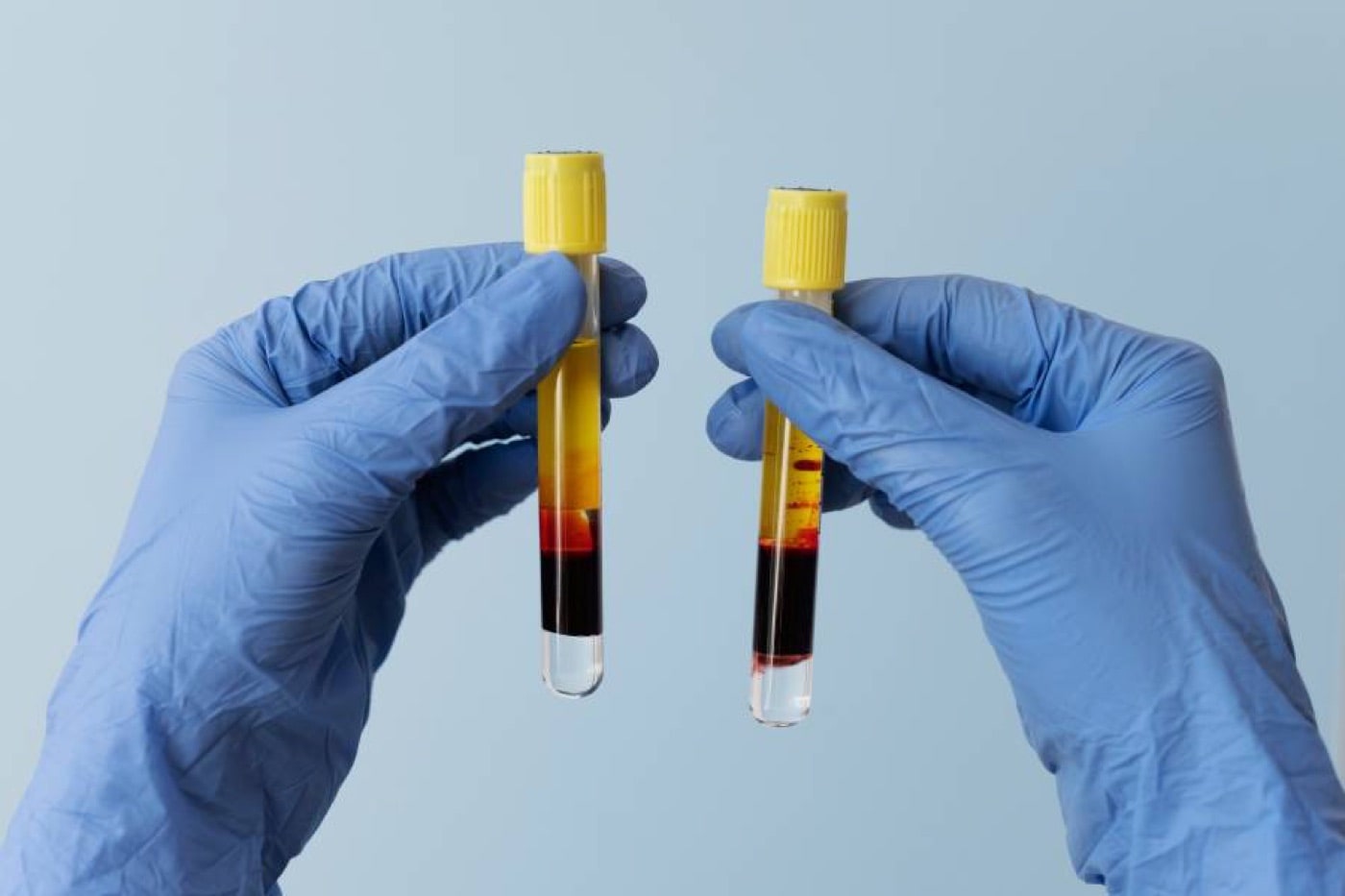
PRP facials are cosmetic procedures rather than medical procedures. The specialist performing the procedure takes a sample of your blood and creates PRP by isolating the platelet-rich plasma. A centrifuge is spun to separate the plasma, and the platelets are also extracted. The sample is then concentrated and is called platelet-rich plasma (PRP). The high levels of growth factors in PRP help the body heal. Dermatologists have begun using PRP to support collagen growth, and orthopedic specialists inject PRP to help heal the knee, ankle and elbow joints. The full effect of PRP facial treatments becomes apparent within a few weeks to a few months.
What Is Skin Rejuvenation with PRP?
There are different ways to have a PRP facial. In the first option, the plasma is spread over your face, and then microneedling across your forehead and cheeks helps the skin absorb the proteins. Microneedling is a procedure that creates a series of small, superficial punctures using sterile needles. Both microneedling and PRP stimulate collagen growth. Another option involves injecting the plasma into the skin like a filler. The original skin problem is thus addressed in two ways: beneath and on the surface of the skin. There is not much research on the effectiveness of vampire facials. One study found that participants who received a PRP injection in one cheek and a saline injection in the other saw improvements in the cheek injected with PRP.
Benefits of PRP for the Face
PRP facials can be beneficial for people with wrinkles, sun damage or scars. Reintroducing PRP into the skin stimulates cell proliferation, which leads to increased elastin and collagen production. As a result, the skin looks firmer, plumper and smoother. In areas with deeper wrinkles and lines, the doctor may also choose to use hyaluronic acid fillers or neuromodulators. These are Botox®-like wrinkle-reducing injections. Fillers restore volume to the face that is naturally lost with aging. Neuromodulators block the contraction of facial muscles and help reduce lines caused by overuse of the muscles, including crow's feet around the eyes. These products can be used together to treat the entire face.
Who Can Have PRP Rejuvenation?
PRP is considered safe for most people, but it is not recommended for people with the following medical conditions:
- Cardiovascular diseases that require blood thinners
- HIV or AIDS
- Any type of blood cancer
- Skin cancer in the area to be treated
- Hepatitis C
Because the conditions listed above affect your platelets, PRP treatment cannot produce the expected results in these cases. If you choose to have a platelet-rich plasma facial, you can take precautions to protect yourself by seeing a dermatologist or plastic surgeon. Immediately after the facial, most people feel well enough to drive home, and normal activities can be resumed the next day. During healing, the skin should be protected with sunscreen and sun exposure should be limited.
The information on our website is not intended to direct individuals to any treatment. Do not take any diagnostic or treatment steps without consulting your doctor. The content does not contain information about İzmir Can Hastanesi's therapeutic healthcare services.