Exosome therapy is regarded as an approach that strengthens cell-to-cell communication and supports the body's natural repair mechanisms. These tiny vesicles produced by cells carry the information needed for tissue regeneration and contribute to the healing of damaged areas. The question "What is exosome therapy?" is becoming increasingly important for people seeking new solutions in modern medicine. Although research in this field suggests that exosomes may contribute to tissue repair, the evidence is still limited and studies are ongoing. Exosome therapy is gaining popularity in the healthcare world as an innovative service.
The Importance of Cell Renewal
Today, cell renewal is of great importance in the prevention and treatment of many diseases. The human body's natural ability to repair itself is effective across a wide range, from skin spots to worn tissues. Scientists are working intensively on various methods to enhance the regenerative capacity of cells.
Thanks to the benefits of exosome therapy, new approaches are going beyond conventional methods. Doctors and researchers are investigating whether this therapy could be an additional option for injuries and chronic conditions. Promising findings on tissue healing aim to improve quality of life.
Technologies that support cell renewal have become one of the top priorities of modern medicine. Integrated planning and accurate diagnostic methods help damaged areas recover more quickly. The benefits of exosome therapy play a complementary role in this process and add new dimensions to personalized care options.
Exosome Therapy and Its Areas of Application
Exosome therapy offers an approach that aims at rejuvenation without damaging tissues. It holds promise for people who want to reduce the signs of aging as part of skin rejuvenation protocols. In hair loss treatment, similar results are targeted with stem cell–based methods. However, the safety and effectiveness of exosomes compared with laser or chemical procedures have not yet been adequately studied. Promising early results have been reported in scar repair and skin renewal, but these results need to be confirmed by larger studies. This highlights the potential of exosome therapy.
Studies on cell renewal suggest that the mechanism of exosome therapy holds potential against joint disorders and certain chronic diseases. Many research centers around the world are examining the scientific data in this field; most exosome applications are still at the research stage. Exosomes are thought to have the potential to play an important role in both aesthetic and medical applications.
Many research centers around the world are examining the scientific data in this field; most exosome applications are still at the research stage.
The Exosome Therapy Process
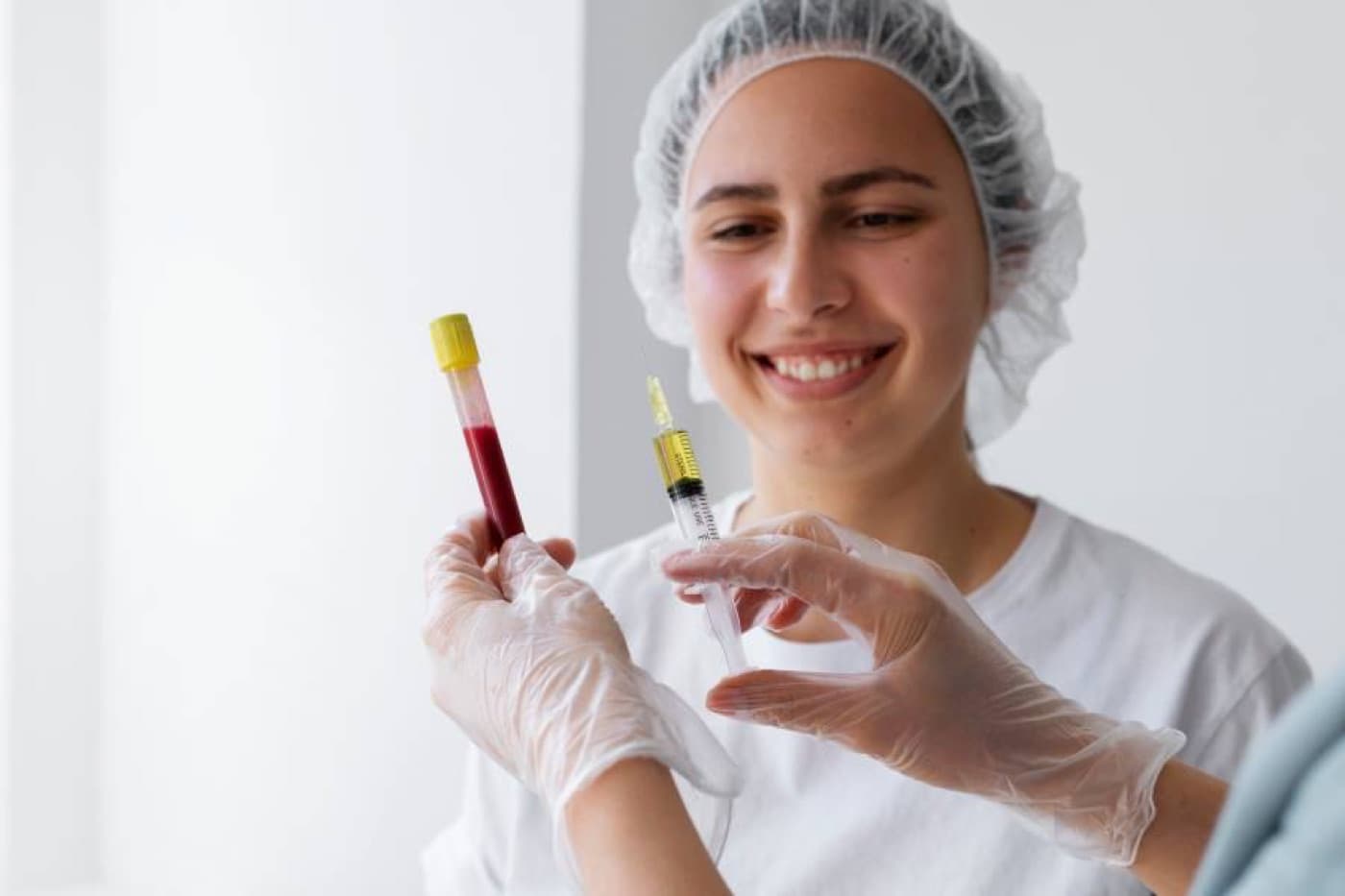
The exosome procedure begins with the careful preparation of exosomes obtained from reliable cell sources. The patient's general health is reviewed and various assessments, including blood tests, are carried out. During this process, the appropriate amount of exosomes and the frequency of sessions are determined for the individual. Exosome therapy is carried out with a meticulous approach in clinical practice. Administered by injection, exosomes aim to activate the body's healing mechanisms. Pain or discomfort during the session is usually low. The recovery period after the procedure is generally short. Performed under a doctor's supervision, this method prioritizes safety through advanced techniques. Anyone wondering what exosome therapy is should proceed by seeking expert advice.
Scientific Findings on Exosome Therapy
The effects of exosome therapy on skin rejuvenation and hair health are being investigated in laboratory studies and a limited number of clinical studies. Some preliminary studies suggest that exosomes may support cell renewal and tissue repair. However, the effectiveness and long-term safety of this method have not yet been proven by large, well-designed clinical trials. For this reason, people considering exosome therapy should discuss their expectations and the possible risks in detail with a specialist doctor.
Care After Exosome Therapy
After exosome therapy, avoiding excessive irritation in the first few days is essential to protect skin health. Mild redness or sensitivity is normal during this period. Paying attention to hygiene in the treated areas speeds up healing. Serums or creams recommended by your doctor support the skin's renewal process. Keeping the skin's moisture balanced and using sunscreen products are critical for skin health. Avoiding strenuous exercise and saunas after exosome therapy allows the skin to breathe comfortably. Choosing fiber-rich foods and drinking plenty of water can affect the appearance of the skin. Stress management and regular sleep have a positive effect on treatment results. A vitamin-rich diet makes the healing process more efficient. To maintain the gains achieved with exosome therapy, it is recommended not to skip follow-up visits with your doctor.
Exosome Therapy Costs and Treatment Frequency
Exosome therapy prices can vary depending on the clinic and the quality of the materials used. The number of sessions, the scope of the treatment plan and the level of expertise are among the factors that directly affect the budget. When learning about exosome therapy, a comprehensive assessment process takes place. During this process, personal needs are identified and the cost is calculated accordingly.
Considering the long-term effects of the treatment, specialists usually recommend several sessions. The interval between sessions may vary depending on skin type or the target area. Exosome therapy offers long-lasting benefits, which is why patients opt for supportive treatments. Repeated sessions, which have a reinforcing effect on cell renewal, are important for long-term results. For this reason, it is more useful to consider the durability of the treatment and the possibility of additional sessions when setting a budget.
Natural Cell Renewal with Exosome Therapy
Exosome therapy aims to support the body's own healing mechanisms. It is usually applied by injection or microneedling, so although it is far less invasive than surgery, it is a minimally invasive, needle-based procedure. This therapy can be applied together with surgical procedures or on its own. The time needed to return to daily life after the procedure is generally short. Its possible benefits in muscle and joint problems are being investigated, but the evidence in this area is still limited. Some preliminary studies suggest that supporting natural repair mechanisms may reduce pain and oxidative stress. The scientific community continues to evaluate the future potential of these methods; the possible benefits and risks should be discussed with a doctor before deciding on treatment.
The information on our website is not intended to direct individuals to any treatment. Do not take any diagnostic or treatment steps without consulting your doctor. The content does not contain information about İzmir Can Hastanesi's therapeutic healthcare services.