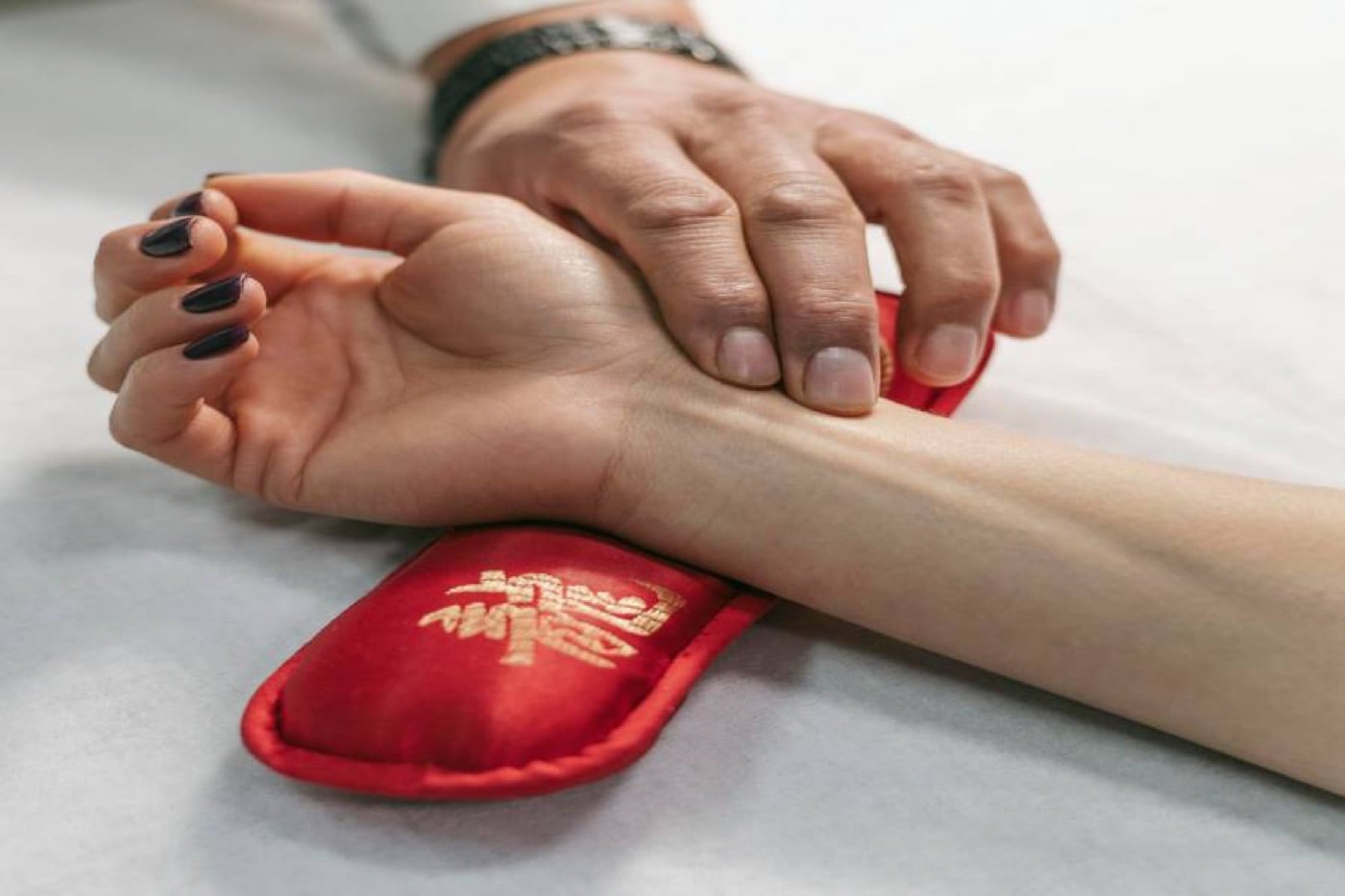
Buerger's disease is a rare peripheral artery disease. It is more common in young men and in smokers. The disease causes the blood vessels in the hands and feet to become inflamed and blocked. This reduces blood flow. Symptoms such as pain, numbness, coldness and color changes appear in the extremities. Vasculitis, that is, inflammation of the blood vessels, is at the root of the disease. Smoking is the biggest risk factor for this disease. As the disease progresses, the risk of tissue death and limb loss increases. Early diagnosis and treatment are very important.
Signs and Symptoms of Buerger's Disease
The first signs of Buerger's disease include pain in the hands and feet, numbness and a feeling of coldness. These symptoms may worsen as the disease progresses. Color changes such as paleness, redness or a bluish tint may also be seen in the affected areas. As the disease progresses, wound healing becomes more difficult. Small cuts or sores, especially on the fingers and toes, may not heal for a long time. This is due to insufficient blood flow. In severe cases, the fingertips or toes may undergo tissue death (gangrene). Gangrene occurs when blood flow is completely cut off. This requires urgent medical attention. In Buerger's disease, pain usually increases during activity and eases with rest. As the disease progresses, the pain continues even at rest. This chronic pain seriously affects quality of life.
Causes and Risk Factors of Buerger's Disease
The exact cause of Buerger's disease is unknown. However, smoking is considered the biggest risk factor. The disease is usually seen in people who smoke or use tobacco products. Genetic predisposition and autoimmune mechanisms contribute to the development of the disease. Some people may be more prone to it because of their genetic makeup. In addition, an abnormal immune response in which the body attacks its own tissues may also trigger the disease. Buerger's disease is more common in men than in women. This has been linked to the higher smoking rates among men in the past. However, as smoking rates among women have risen, the disease has also become more common in women. The disease usually occurs in young adults between the ages of 20 and 45. The high smoking rates in this age group may be one of the reasons the disease is more common in this age range. Early diagnosis and treatment of Buerger's disease are especially important for preventing long-term complications in young people.
How Is Buerger's Disease Diagnosed?
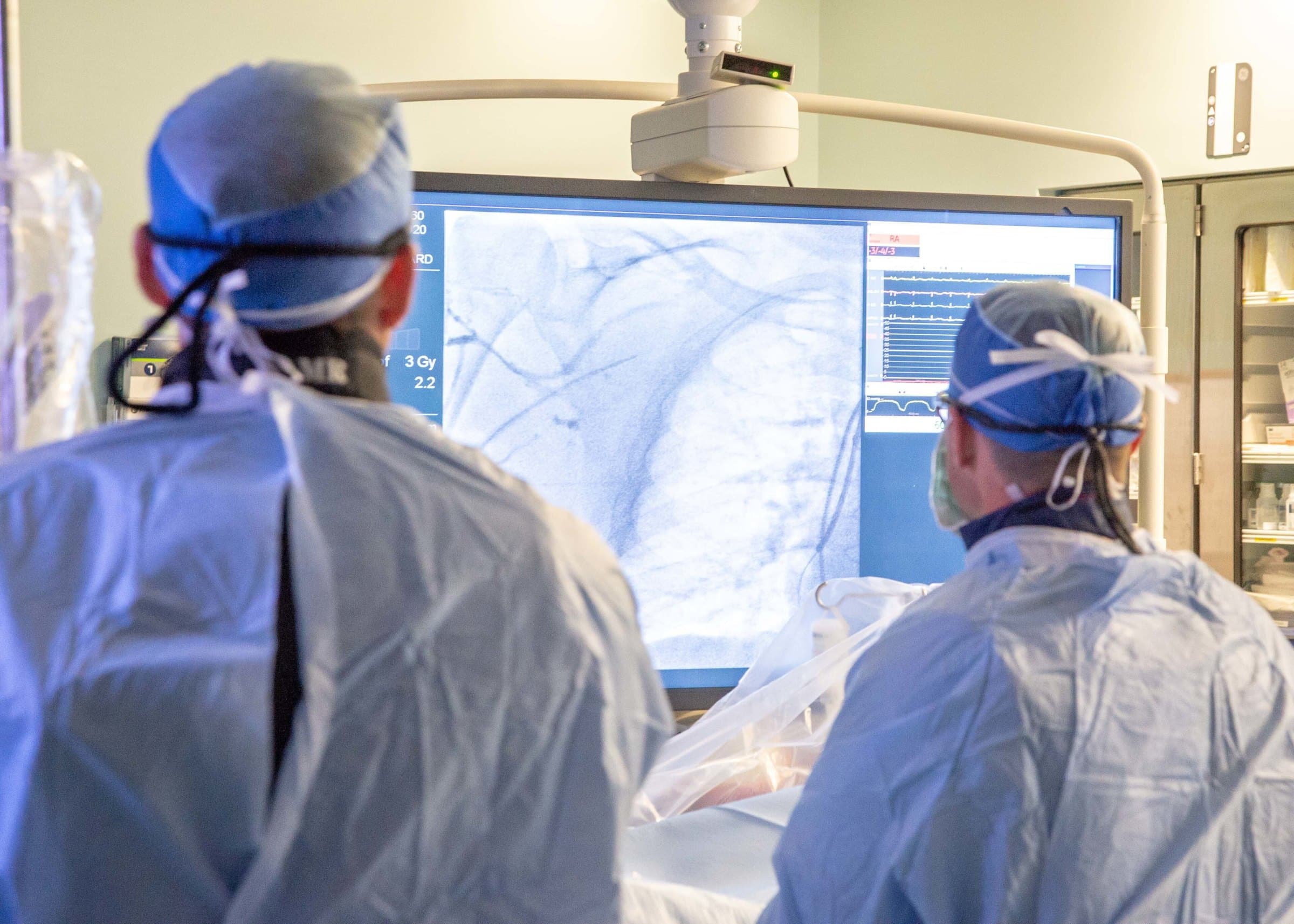
The diagnosis of Buerger's disease begins with a detailed physical examination and a review of the medical history. The doctor checks for signs such as coldness, numbness, weak pulses or skin changes in the hands and feet. Blood tests are used to rule out infection or other inflammatory conditions. Imaging methods are very important in diagnosing Buerger's disease. Doppler ultrasound is used to assess blood flow in the vessels. This technique shows thickening of the vessel walls and reduced blood flow. Angiography is needed for a more definitive diagnosis. This invasive technique allows the blood vessels to be visualized. A contrast agent is injected and X-ray images are taken. Angiography determines the location of the affected vessels and the extent of the damage.
Rarely, biopsy samples may be examined to confirm the diagnosis of Buerger's disease. This is done to confirm vascular inflammation and other characteristic findings. Diagnosing Buerger's disease requires ruling out other diseases with similar symptoms. A thorough evaluation combined with the appropriate tests is important for reaching the correct diagnosis and developing a treatment plan.
A thorough evaluation combined with the appropriate tests is important for reaching the correct diagnosis and developing a treatment plan.
Treatment Options for Buerger's Disease
Quitting smoking is crucial in the treatment of Buerger's disease. Smoking makes the disease progress and the symptoms worsen. Quitting can slow the course of the disease and help some symptoms improve. Vasodilator medications are used in the treatment of Buerger's disease. These medications widen the blood vessels and improve blood flow. They ease symptoms such as pain and numbness. Medications such as prostacyclin analogues and calcium channel blockers are frequently preferred.
Pain management is important for improving patients' quality of life. Analgesics and pain relievers bring pain under control. Physical therapy and exercise also help with pain management. Wound care is an important part of treatment. Wounds and ulcers may develop on the extremities. Regular wound care reduces the risk of infection and supports healing. It is important to keep the wound clean and dry. Surgery may be needed in severe cases. Vascular bypass surgery is performed to restore blood flow. Removal of necrotic tissue or gangrenous limbs may also be necessary. Surgical interventions stop the progression of the disease.
Living with Buerger's Disease: Preventive Measures and Lifestyle Changes

People diagnosed with Buerger's disease should take certain measures to slow its progression. Smoking is one of the main triggers of the disease. Quitting smoking has a positive effect on the course of the disease. If you are finding it hard to quit, getting professional support and joining a smoking cessation program can help.
Regular exercise can ease the symptoms of Buerger's disease. Exercise improves blood circulation, delivering more oxygen and nutrients to the affected areas. Do not start an exercise program before talking to your doctor. Exercises such as walking, swimming and cycling are recommended. A healthy diet protects vascular health. People with Buerger's disease should choose diets low in saturated fat and cholesterol. Follow a balanced eating plan that includes vegetables, fruit, whole grains, lean proteins and healthy fats. Drinking enough fluids regularly is also important.
Stress can trigger the symptoms of Buerger's disease. Practicing stress management techniques is important. Relaxation exercises, deep breathing, meditation or therapy reduce stress levels. Regular sleep and making time for yourself also help manage stress. Finally, it is important for people with Buerger's disease to keep their extremities warm. Cold weather can worsen symptoms. Wearing gloves, socks and suitable shoes is important for staying warm. Take good care of the affected areas and avoid injuries and infections.
If Buerger's disease is not diagnosed and treated early, it leads to serious problems. As the disease progresses, poor blood circulation causes tissue damage and a risk of infection. This is known as tissue death, or gangrene. Gangrene can lead to amputation of a finger, toe or limb. Amputation is one of the most serious consequences of Buerger's disease. Limb loss lowers quality of life and makes daily tasks harder. Physical limitations affect independence and psychological well-being.
The effects of Buerger's disease can be profound, not only physically but also emotionally and psychologically. Patients may struggle to cope with limitations and uncertainty. Professional support and support from family help in overcoming these challenges.
The information on our website is not intended to direct individuals to any treatment. Do not take any diagnostic or treatment steps without consulting your doctor. The content does not contain information about İzmir Can Hastanesi's therapeutic healthcare services.