Lipedema is an abnormal buildup of fat in your legs and sometimes your arms. It can be painful and can affect your daily life. Lipedema is more common in women. It usually affects both sides of the body equally. Lipedema can make your hips, thighs, lower legs and sometimes your arms look out of proportion with the rest of your body.
In the early stages of lipedema, your legs may be larger, your waist narrow and your upper body smaller. Your hips, thighs and lower legs may be wide, but your feet are usually not affected. Lipedema can sometimes affect the arms too, but the hands are usually not affected. The affected skin feels soft and cool, and dimples with an “orange peel” texture may form.
You may have pain, tenderness or a feeling of heaviness in your affected limbs, and you may bruise easily. Lipedema affects people differently. Some people have mild symptoms that do not affect their lives. Others may struggle with physical problems, blame themselves for the changes in their bodies and experience mental health problems.
What Can Cause Leg Swelling?
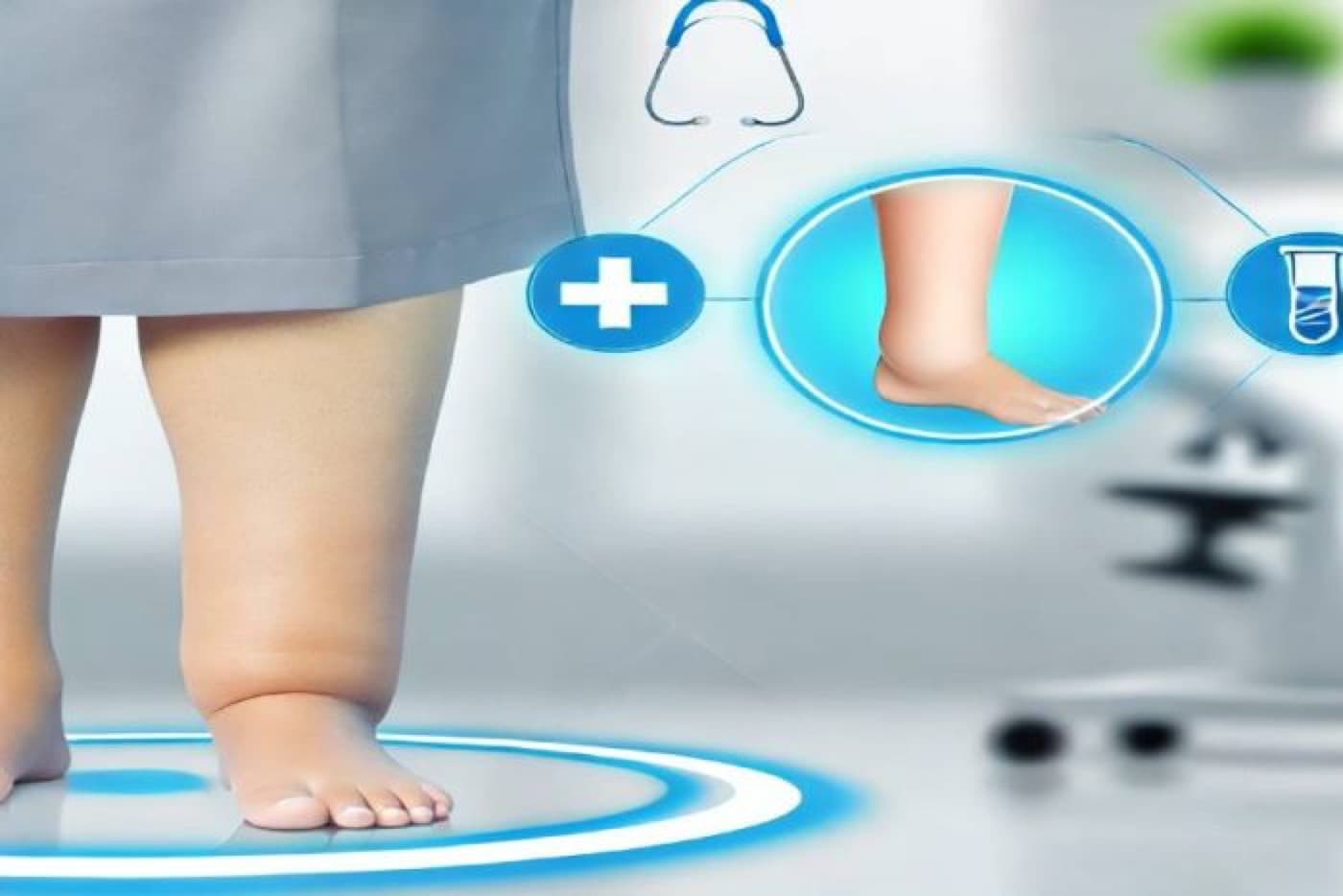
There are other things that can cause the legs to become larger or swollen. If you have swelling in all or part of a limb, or elsewhere in your body, it may be lymphedema . Although it can affect any part of the body, it usually develops in the arms or legs and occurs when the lymphatic system does not work properly. Sometimes a buildup of fluid can cause swelling of the legs, ankles or feet. This is called edema . In lipedema, the feet are usually not affected.

How Is Lipedema Treated?
If your doctor thinks you have lipedema, they may refer you to a specialist for treatment. There is no direct cure for lipedema, but treatments are available that can prevent the condition from getting worse and slow its progression. Your treatment will depend on how severe your symptoms are and how they affect you.
The main treatment methods are:
- eating healthily, exercising more and trying to maintain a healthy weight
- wearing compression stockings or bandages to reduce pain and discomfort and make walking easier
- looking after your skin – for example, regularly using moisturizing creams (emollients) to stop your skin from drying out
- counseling or cognitive behavioral therapy (CBT) if you are finding it hard to cope with your symptoms and feel depressed
- a procedure to remove the fat (liposuction) if your symptoms are particularly severe – you may need more than 1 operation.
Compression Therapy for Lipedema
Compression therapy can sometimes help manage lipedema. A specialist will assess you and recommend the most suitable type of compression.
What Causes Lipedema?
The exact cause of lipedema is unknown. It is not caused by being overweight; you can still have lipedema even if you are at a healthy weight.
It is not caused by being overweight; you can still have lipedema even if you are at a healthy weight.
It may be caused by changes in your hormones:
- during puberty
- when you are pregnant
- during menopause
- when you take the birth control pill
Lipedema can sometimes also have genetic causes.
If you have the symptoms described above or suspect you may have lipedema, we strongly recommend that you consult your doctor.
What Are the Symptoms of Lipedema?
Typical symptoms of lipedema include:
- Fatigue. If you have lipedema, you may feel tired more often than usual.
- A difference in the size of the feet and legs. If you have lipedema, there is usually a noticeable size difference between your feet, which are generally not affected by the condition, and your lower half and column-like legs. For example, the upper half of your body may be a size 8 while your lower half may be a size 16.
- Pain. Lipedema can be painful all the time or only when pressure is applied. Your skin may bruise easily.
- Heaviness and swelling. You may experience swelling and a feeling of heaviness in your legs.
- Fat accumulation. As the condition progresses, fat continues to build up and your lower body becomes heavier. Fat may later collect in the arms.
- Loose skin. Lipedema can cause large folds of skin to form.
- Lumps. Lumps within the fat can make you feel as if there is something under your skin.
What Is the Difference Between Lipedema and Cellulite?
Cellulite is fat that collects under the skin and makes the skin look lumpy or dimpled. Unlike lipedema, cellulite is purely a cosmetic condition and does not cause pain.
Are Lipedema and Lymphedema the Same?
Lipedema can be confused with obesity or lymphedema. Your lymphatic system, which helps protect your body against infection, moves a fluid called lymph around your body. When lymph builds up because the lymph vessels or nodes it passes through are missing, damaged or have been removed, this buildup is called lymphedema. Both lipedema and lymphedema can cause swelling, but lipedema is not caused by a buildup of lymph.
Lipedema can lead to lymphedema. With lipedema, fat cells can block the vessels of your lymphatic system over time. This blockage prevents lymph fluid from draining properly, leading to lymphedema .
If left untreated, lymphedema can lead to problems such as infection, delayed wound healing, the formation of scar-like tissue called fibrosis and hardening of the skin on the legs.
Unlike lymphedema, lipedema starts in the upper legs rather than the lower legs (feet and ankles) and is not associated with previous surgery. It usually affects both legs.
What Are the Types of Lipedema?
Lipedema is classified into different types according to where the fat tissue builds up in your body.
Type I: Fat tissue collects around your buttocks and hips.
Type II: Fat builds up between your hips and your knees.
Type III: Fat is found between the hips and the ankles.
Type IV: Fat is in your arms.
Type V: Fat builds up in the calves.
Sometimes you may have different types of lipedema at the same time. For example, type IV, with lipedema fat in your arms, is rare and usually occurs together with type II or III fat buildup in the lower body.
How Is Lipedema Diagnosed?
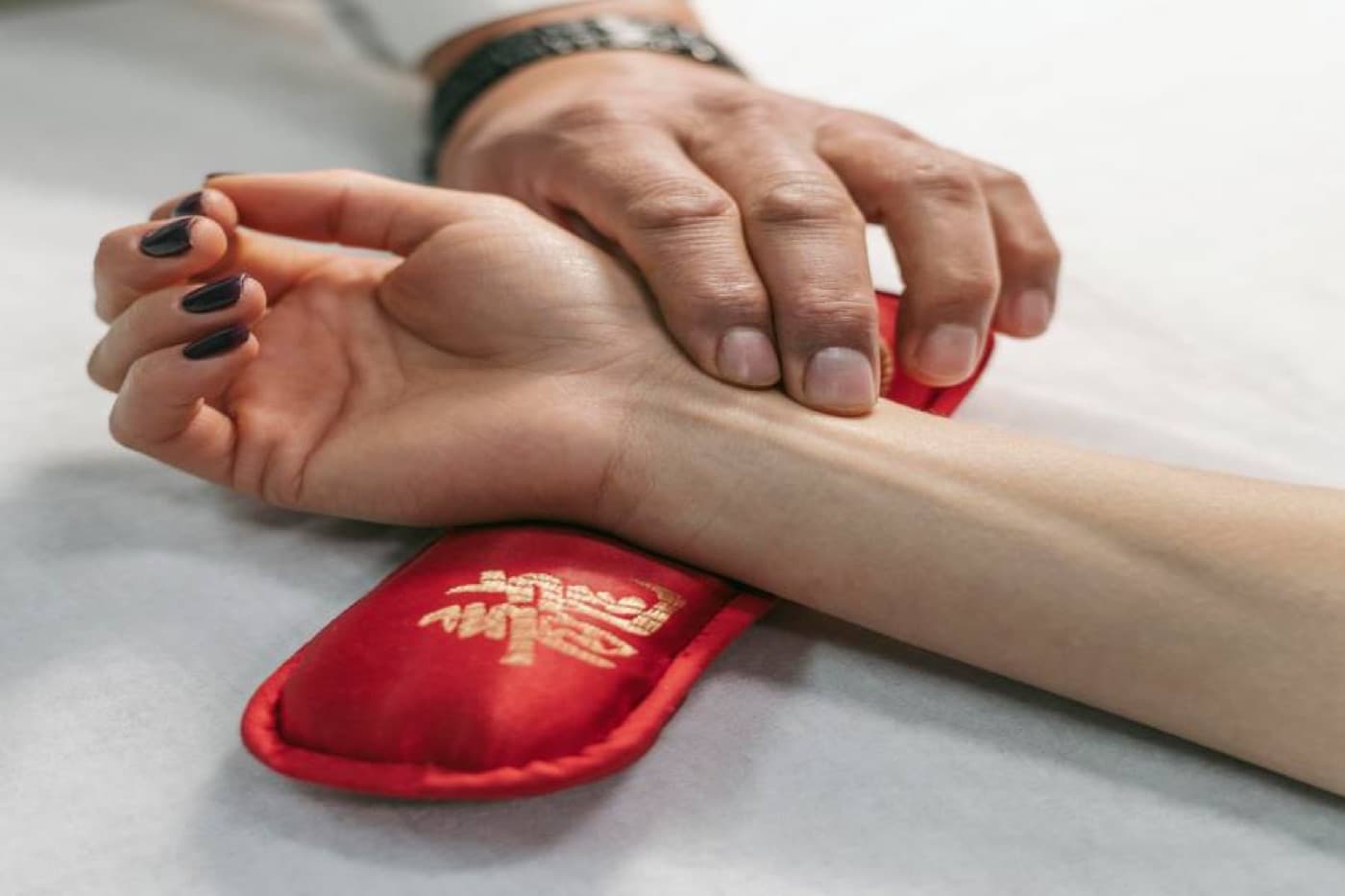
Lipedema is sometimes misdiagnosed as something else with similar symptoms. No test can diagnose lipedema, so a health care provider diagnoses it by taking your medical history and performing a physical examination, which may include feeling the texture of the affected areas.
Your health care provider may ask you about or check for several things that are common in people with lipedema, including: symmetrical enlargement of both legs, pain or tenderness when pressure is applied, easy bruising, and affected legs but unaffected feet. They may also use the “Stemmer sign,” which involves pinching the skin on top of the second toe. If the skin is thick and hard to lift, this may mean that you have lymphedema rather than lipedema.
Your health care provider may also order tests to help find out whether you have lipedema.
These tests may include:
a scan that provides images of the inside of your body:
MRI (magnetic resonance imaging)
CT scan, a scan that provides images of your bones and soft tissues
Ultrasound, an imaging test that uses sound waves
DEXA scan, an imaging test that measures bone density
Nuclear medicine imaging, a scan that creates images by detecting radiation from certain parts of the body after a radioactive substance has been injected.
The information on our website is not intended to direct individuals to any treatment. Do not take any diagnostic or treatment steps without consulting your doctor. The content does not contain information about İzmir Can Hastanesi's therapeutic healthcare services.