Cardiovascular diseases are conditions that affect the structures or function of your heart. One of the most common of these is a heart attack. A heart attack happens when blood flow to your heart is blocked, so the heart can’t get the oxygen it needs. This is a medical emergency. At the first sign of any symptom, seek medical help right away; don’t wait to see whether the symptoms go away or improve.
Heart attacks are also called myocardial infarctions (MI). “Myo” means muscle, “cardial” refers to the heart, and “infarction” means tissue death due to a lack of blood supply. This tissue death can cause permanent damage to your heart muscle.
Symptoms of a Heart Attack
Common symptoms of a heart attack include:
- Discomfort, pressure, heaviness, tightness, or pain in your chest, arm, or below your breastbone
- Discomfort spreading to your back, jaw, throat, or arm
- A feeling of fullness, indigestion, or choking (it may feel like heartburn)
- Sweating, nausea, vomiting, or dizziness
- Severe weakness, anxiety, fatigue, or shortness of breath
- Fast or irregular heartbeat (palpitations)
- Worry
Some heart attacks happen without any noticeable symptoms (a “silent” myocardial infarction); these symptomless heart attacks are more common in people with diabetes.
What Does a Heart Attack Feel Like?
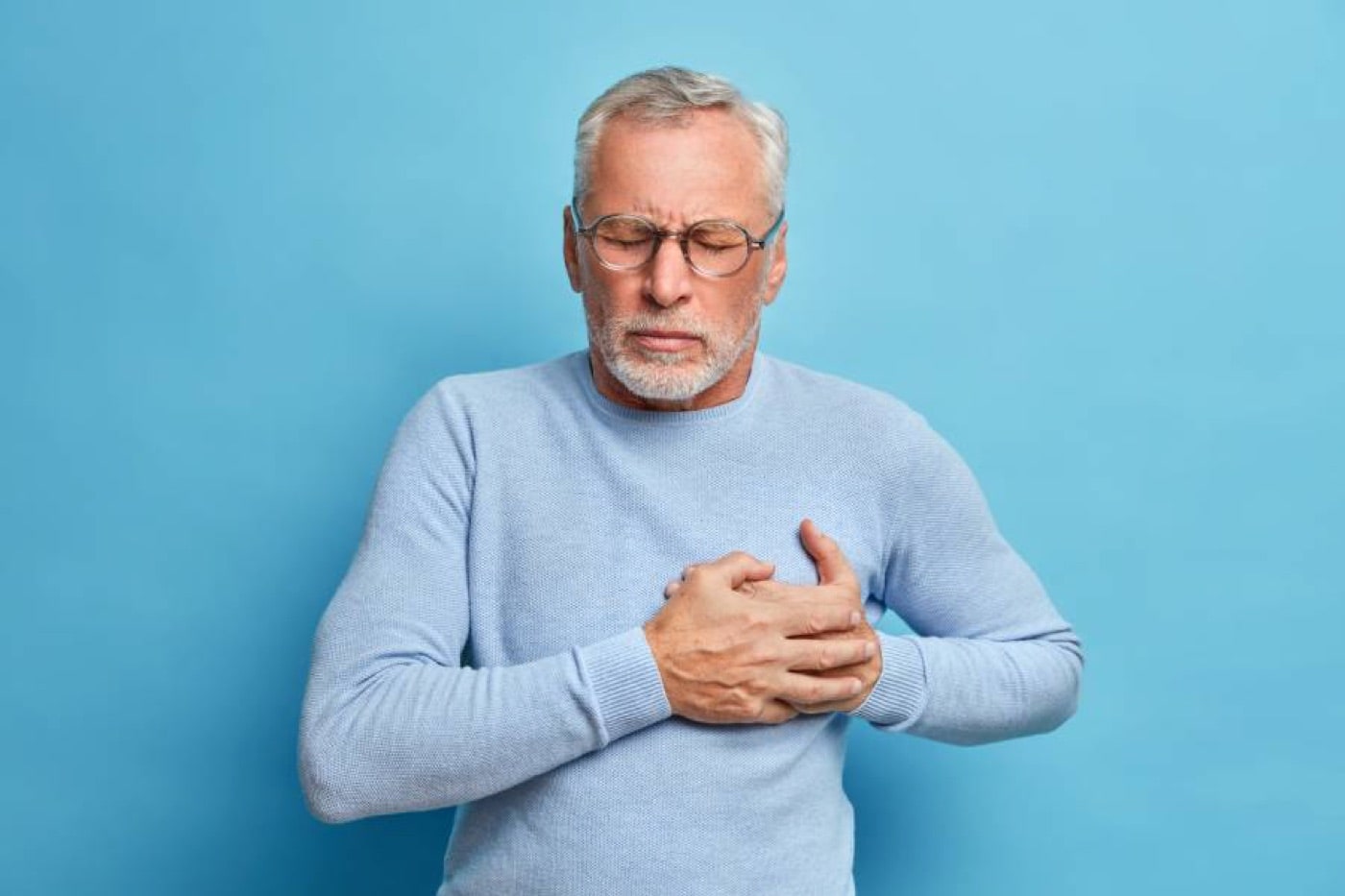
A heart attack feels like intense chest pain, as if someone is squeezing your chest really hard or you are carrying a heavy weight on your chest. You may have this pain for a while. You may also feel weak, lightheaded, or as if you are about to faint, and you may start sweating heavily. Sometimes there is also mild pain in your jaw, neck, back, or arms. You may also have difficulty breathing.
What Is a Silent Heart Attack?
As the name suggests, a silent heart attack occurs without the typical warning signs such as dizziness, a faster or irregular heartbeat (palpitations), difficulty breathing, and anxiety, so it is often hard to know whether you have had a heart attack.
More than a million people have a heart attack every year. Heart attacks occur in both men and women. The likelihood of a heart attack increases with age, and it is also linked to risk factors such as high blood pressure, unhealthy cholesterol levels, diabetes, and smoking.
More than a million people have a heart attack every year.
Sudden cardiac arrest is not a heart attack. You can think of a heart attack as a problem in the arteries of the heart, whereas sudden cardiac arrest means that the heart’s electrical system suddenly stops working properly and the heart stops pumping.
What Causes a Heart Attack?

Your heart muscle constantly needs oxygen-rich blood. Your coronary arteries provide your heart with this critical blood supply. If you have coronary artery disease, these arteries become narrowed and blood can’t flow as it should. When your blood supply is blocked, you have a heart attack. Fat, calcium, proteins, and inflammatory cells build up to form plaques in your arteries. These plaque deposits are hard on the outside and soft and mushy on the inside. When the plaque hardens, the outer shell cracks. This is called a rupture. Platelets (disc-shaped cells in your blood that help it clot) come to the area, and blood clots form around the plaque. If a blood clot blocks your artery, your heart muscle becomes starved of oxygen. The muscle cells soon die, causing permanent damage. Rarely, a spasm in your coronary artery can also cause a heart attack. During this coronary spasm, your arteries narrow or spasm, cutting off blood flow to your heart muscle (ischemia). This can happen while you are at rest and even if you don’t have serious coronary artery disease.
Each coronary artery sends blood to a different part of your heart muscle. How much the muscle is damaged depends on the size of the area supplied by the blocked artery and the amount of time between the attack and treatment. Your heart muscle starts to heal soon after a heart attack. This takes about 8 weeks. Just like a skin wound, a scar forms in the damaged area. However, the new scar tissue doesn’t move the way it should. As a result, your heart can’t pump as well as it did before the heart attack. How much this pumping ability is affected depends on the size and location of the scar.
Abnormal coronary arteries can also lead to a heart attack. This is a heart condition you are born with, in which the blood vessels supplying your heart are in unusual positions. Sometimes these abnormal arteries can become squeezed or compressed, which can lead to a heart attack. Rare medical conditions, especially those that cause narrowing of the vessels supplying the heart, are another cause of heart attacks. Tears in the coronary arteries or any serious injury can lead to a heart attack. Sometimes heart and blood vessel conditions other than a blockage cause a heart attack. A condition known as spontaneous coronary artery dissection (SCAD) can also cause one. It occurs when a tear forms inside one of the blood vessels supplying your heart. This tear can lead to a blood clot or flaps of torn tissue that block the artery, causing a heart attack. Doctors often link this condition to causes such as stress, intense exercise, or pregnancy, and it is common in young women, people assigned female at birth, and people with a condition called Marfan syndrome.
Coronary artery embolism also leads to heart attacks. This is when a blood clot travels through the bloodstream and lodges in a coronary artery, the blood vessel that supplies blood to the heart. As a result, the clot blocks normal blood flow through the affected artery, leading to a heart attack. Coronary spasm can also lead to a heart attack. This is a severe narrowing of a coronary artery that happens without warning and blocks blood flow to the heart. It can occur even if there is no significant plaque buildup in your arteries.
What Should I Do If I Have a Heart Attack?
After a heart attack, you need fast treatment to open the blocked artery and reduce the damage. At the first sign of a heart attack, call an ambulance and ask for medical help. The best time to treat a heart attack is within 1 or 2 hours after symptoms begin. Waiting longer means more damage to your heart and a lower chance of living longer.
Call 112 (your local emergency number) first. If you have called emergency services and are waiting for them to arrive, you may chew an aspirin (325 mg) if you are not allergic to aspirin and have no bleeding risk, and only if the emergency services or your doctor advise it. Aspirin is a powerful inhibitor of blood clots and can reduce your chance of dying from a heart attack by 25%.
Remember, every health problem you experience should be taken equally seriously; please don’t neglect your health.
The information on our website is not intended to direct individuals to any treatment. Do not take any diagnostic or treatment steps without consulting your doctor. The content does not contain information about İzmir Can Hastanesi's therapeutic healthcare services.