
Cardiovascular Surgery
A center of excellence recognized abroad, offering minimally invasive, robotic, open and endovascular treatments for heart and vascular diseases in İzmir.
Our İzmir Cardiovascular Surgery Center is a distinguished center of excellence, recognized internationally, that offers minimally invasive and robotic surgical methods as well as open, closed and combined endovascular treatments for cardiovascular diseases. For more than 10 years, the Can Hastaneleri Cardiovascular Surgery Center has successfully performed surgical treatment for thousands of heart patients of all age groups, and more than 500 cardiovascular operations are performed every year.
Developing a specialized patient care program for every patient through its multidisciplinary approach, our Cardiovascular Surgery Center also successfully treats high-risk heart patients. Working in close collaboration with the Cardiology Department, our Cardiovascular Surgery Center also works as a strong team with our Pediatric Cardiology and Cardiac Surgery Center as well as our Heart Transplantation and Cardiac Assist Devices Center.
Cardiovascular diseases are among the most common causes of death worldwide and threaten the lives of millions of people. The high prevalence of cardiovascular disease has made cardiovascular surgery one of the most critical specialties in medicine.
While surgical procedures for heart disease once carried high risks, today they have become highly safe and effective thanks to technology and medical innovation. Many new methods, from minimally invasive techniques to robotic surgery, help patients recover faster and reduce the risk of complications.
Scope and Areas of Expertise in Cardiovascular Surgery
Cardiovascular surgery covers a wide range of surgical procedures. The main categories of this specialty, each requiring different expertise, are as follows:
- Open Heart Surgery: One of the most frequently used methods in the treatment of cardiovascular disease, open heart surgery is used especially in coronary artery bypass graft (CABG) operations. This method is also preferred for heart valve disease, congenital anomalies and tumors.
- Minimally Invasive Surgery: Performed through smaller incisions than traditional methods, these techniques shorten the patient's recovery time while also reducing the risk of complications. Robotic surgery, laparoscopic methods and endovascular procedures fall into this category.
- Pediatric Cardiac Surgery: A specialized field for treating babies born with congenital heart disease. Surgical procedures are performed to correct congenital anomalies such as ventricular septal defect (VSD) and atrial septal defect (ASD).
- Vascular Surgery: Deals with vascular conditions such as aneurysms, peripheral artery disease and venous insufficiency. Endovascular stents and bypass procedures in particular are among the core interventional techniques of this field.
Innovative Methods in Cardiovascular Surgery
Advances in medical technology have led to innovative methods that make heart surgery safer and more effective:
- Robotic Surgery: Robotic systems, which allow surgeons to operate with greater precision through smaller incisions, are less traumatic than open surgery and speed up recovery.
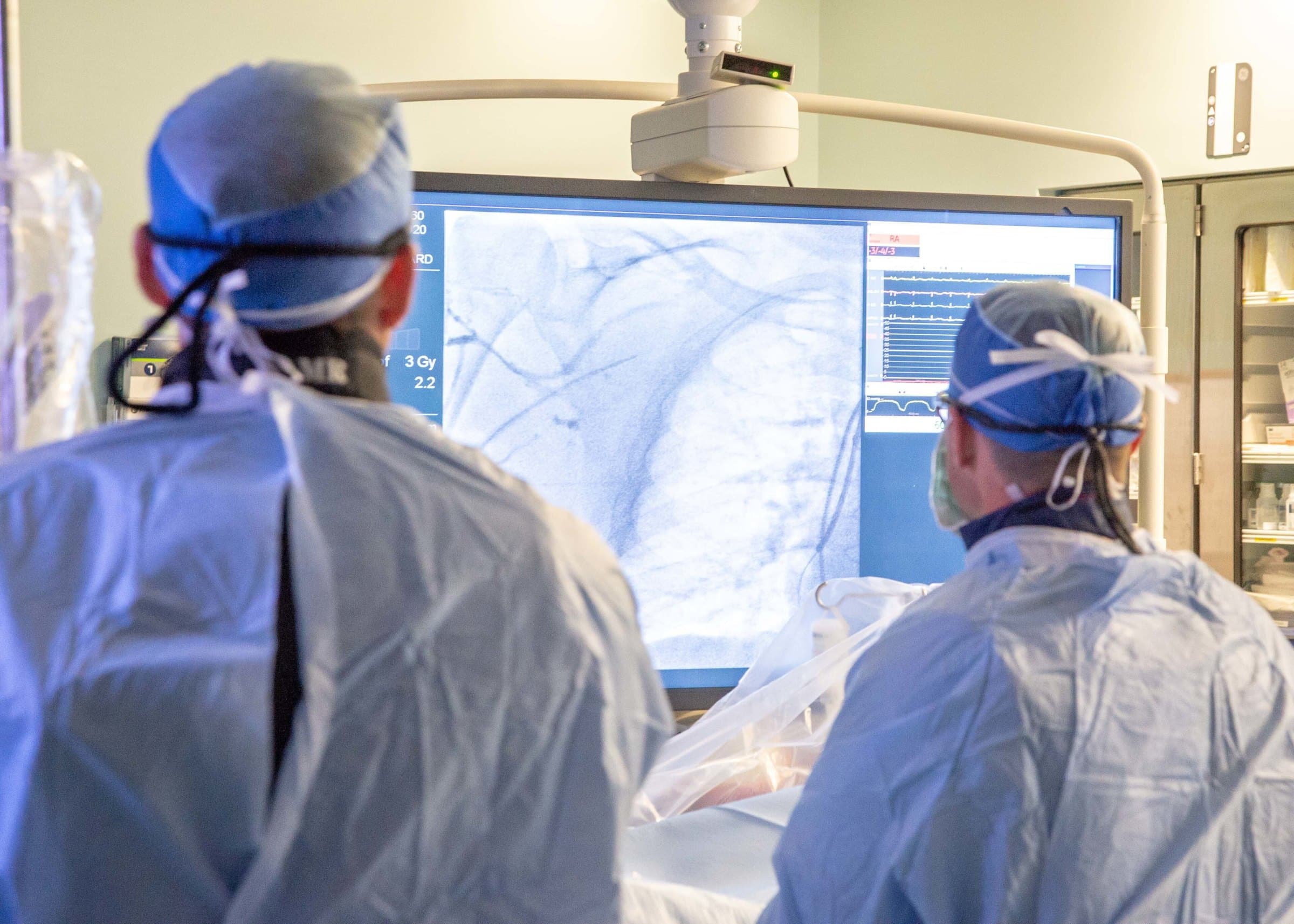
- Endovascular Techniques: At the intersection of interventional cardiology and surgery, these techniques include minimally invasive procedures performed under angiographic guidance. For example, stent placement and aneurysm repair can now be performed endovascularly instead of through open surgery.
- Regenerative Medicine and Stem Cell Therapies: Stem cell technologies are emerging as a promising field for repairing tissue damaged by heart failure and myocardial infarction.
- Advances in Artificial Organs and Biological Valves: Biological and mechanical valve prostheses used in heart valve disease have become more efficient thanks to durable and biocompatible materials.
Risks and Success Rates in Surgical Procedures
Although heart surgery usually has successful outcomes, it carries certain risks.
Although heart surgery usually has successful outcomes, it carries certain risks.
- Main Complications: Risks such as infection, bleeding, blood clots, arrhythmia and stroke should be taken into account after surgery.
- Recovery Process: Avoiding risk factors such as smoking, alcohol and an unhealthy diet speeds up recovery for patients who have had heart surgery. Regular physical activity and medication are critical for successful rehabilitation.
- Success Factors: The most important factors determining the success of surgery include the surgeon's experience, the patient's overall health, the technology used and thorough preoperative preparation.
Protecting Heart Health: Preventing the Need for Surgery
Preventing heart disease can reduce the need for surgical procedures.
- Healthy Eating: A heart-healthy diet should include vegetables, fruits, whole grains, healthy fats and adequate protein. Excessive salt and sugar intake should be avoided.
- Regular Exercise: At least 150 minutes of moderate-intensity cardiovascular exercise per week can be effective in protecting heart health.
- Stress Management: Chronic stress can increase the risk of high blood pressure and heart attack. Meditation, yoga and regular social activities can help keep stress levels under control.
- Early Diagnosis and Regular Check-ups: Cardiovascular screenings and check-up programs enable early diagnosis of potential diseases and reduce mortality rates.
As cardiovascular surgery continues to advance as one of the most sophisticated and critical fields of medicine, individuals protecting their heart health can reduce the future need for such surgical procedures.
Treatments and Topics in This Department
Doctors in This Department
Health Guide for This Department

Nov 8, 2024
What Is Lipedema? Symptoms and Treatment
Read Full Article
Sep 25, 2024
What Are the Symptoms of a Heart Attack?
Read Full Article
Aug 16, 2024
What Is Buerger's Disease?
Read Full Article
Dec 28, 2023
Varicose Vein Treatment
Read Full Article
Dec 28, 2023
Varicose Veins and the Summer Season
Read Full Article
Dec 28, 2023
Varicose Veins and Nutrition
Read Full Article
Dec 28, 2023
Helpful Lifestyle Tips for People with Varicose Veins
Read Full Article
Dec 28, 2023
Varicose Veins and Exercise
Read Full ArticleDepartment Videos
Can Hastanesi Hotline
+90 (232) 715 40 00