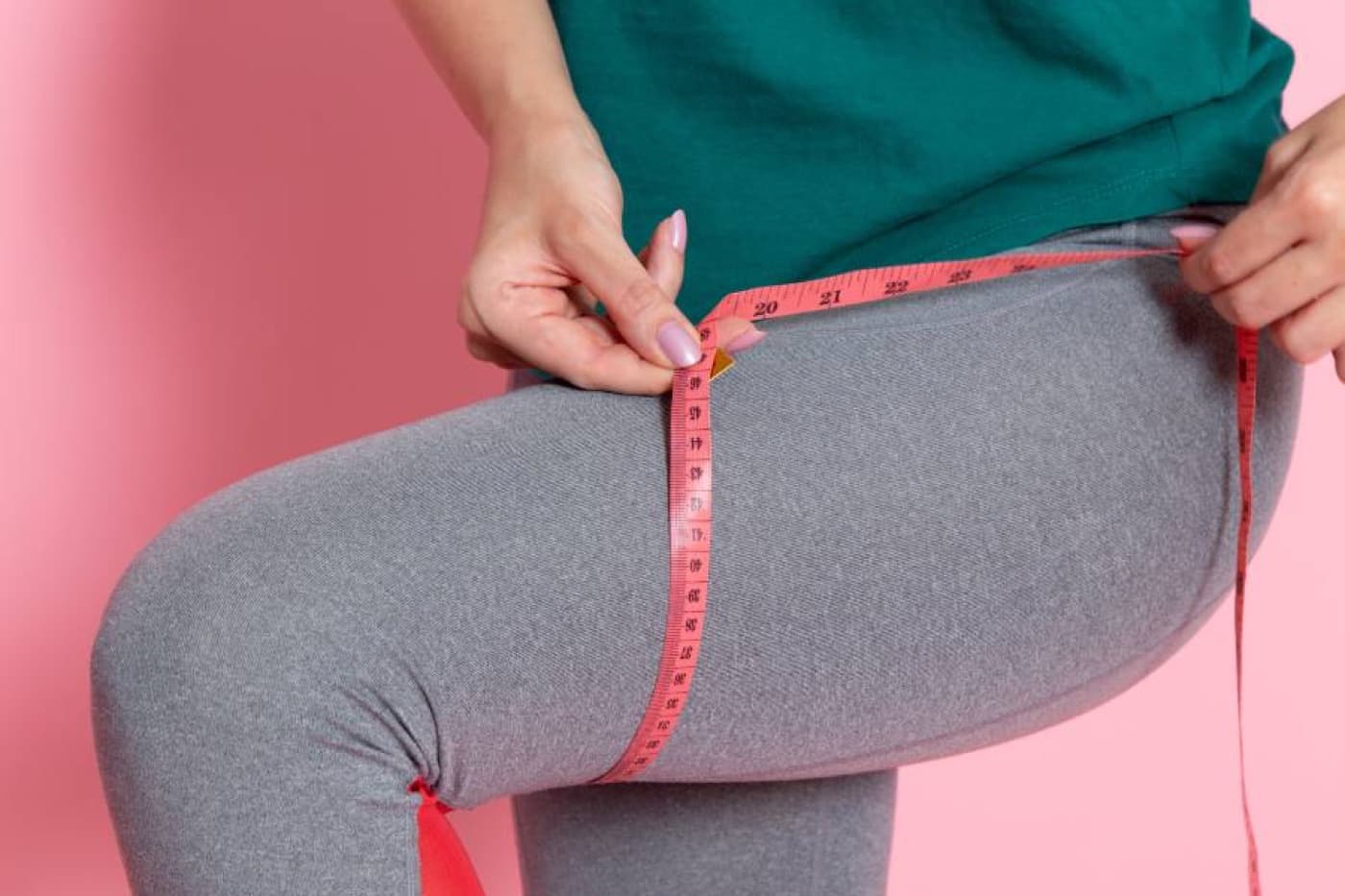
- Limit your calorie intake. High calories = obesity = varicose veins in the legs. Losing 10% of body weight leads to improvement in varicose veins.
- Eat foods rich in vitamin C. Vitamin C is needed to produce collagen and elastin, which are abundant in the vein wall. Its effectiveness increases when taken together with vitamin E. Vitamin E also improves blood flow.
- Eat foods rich in fiber. Fiber is the indigestible part of food. It helps waste pass more easily, reduces its contact with the intestinal wall and prevents constipation. It also reduces the development of diverticula and hemorrhoids. Constipation increases the pressure inside the veins and makes varicose veins progress.
- Drink plenty of fluids. It is especially important to drink plenty of fluids along with high-fiber foods. In the summer months, you should drink enough to make up for fluid losses.
- Eat foods that contain flavonoids. Flavonoids are the compounds that give fruits and vegetables their color. A link has been found between flavonoid intake and improvement in varicose veins. They are also found in some varicose vein medications.
- Eat foods rich in magnesium. Magnesium deficiency can worsen the cramps and restless legs problems seen in people with varicose veins. Bananas, avocados and cruciferous vegetables are rich in magnesium.
The information on our website is not intended to direct individuals to any treatment. Do not take any diagnostic or treatment steps without consulting your doctor. The content does not contain information about İzmir Can Hastanesi's therapeutic healthcare services.