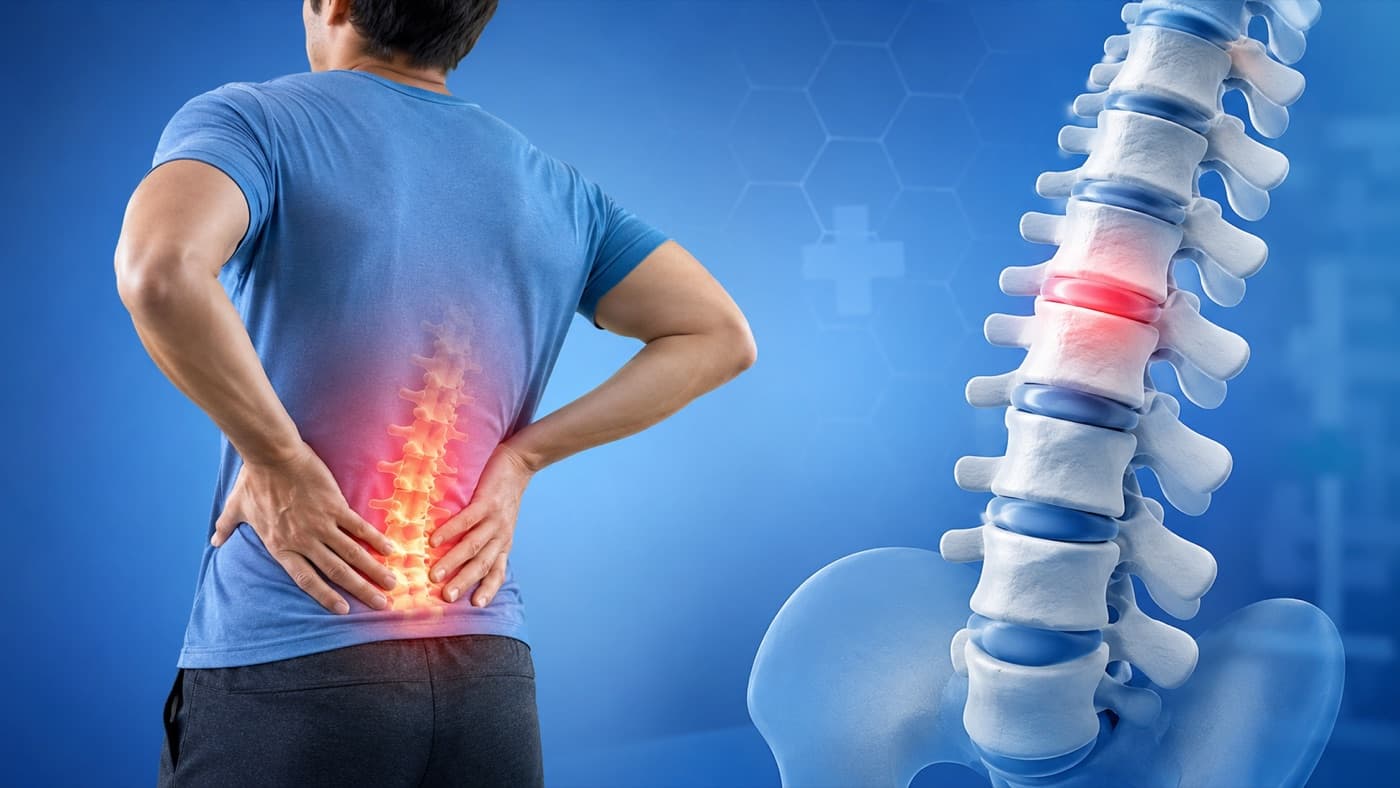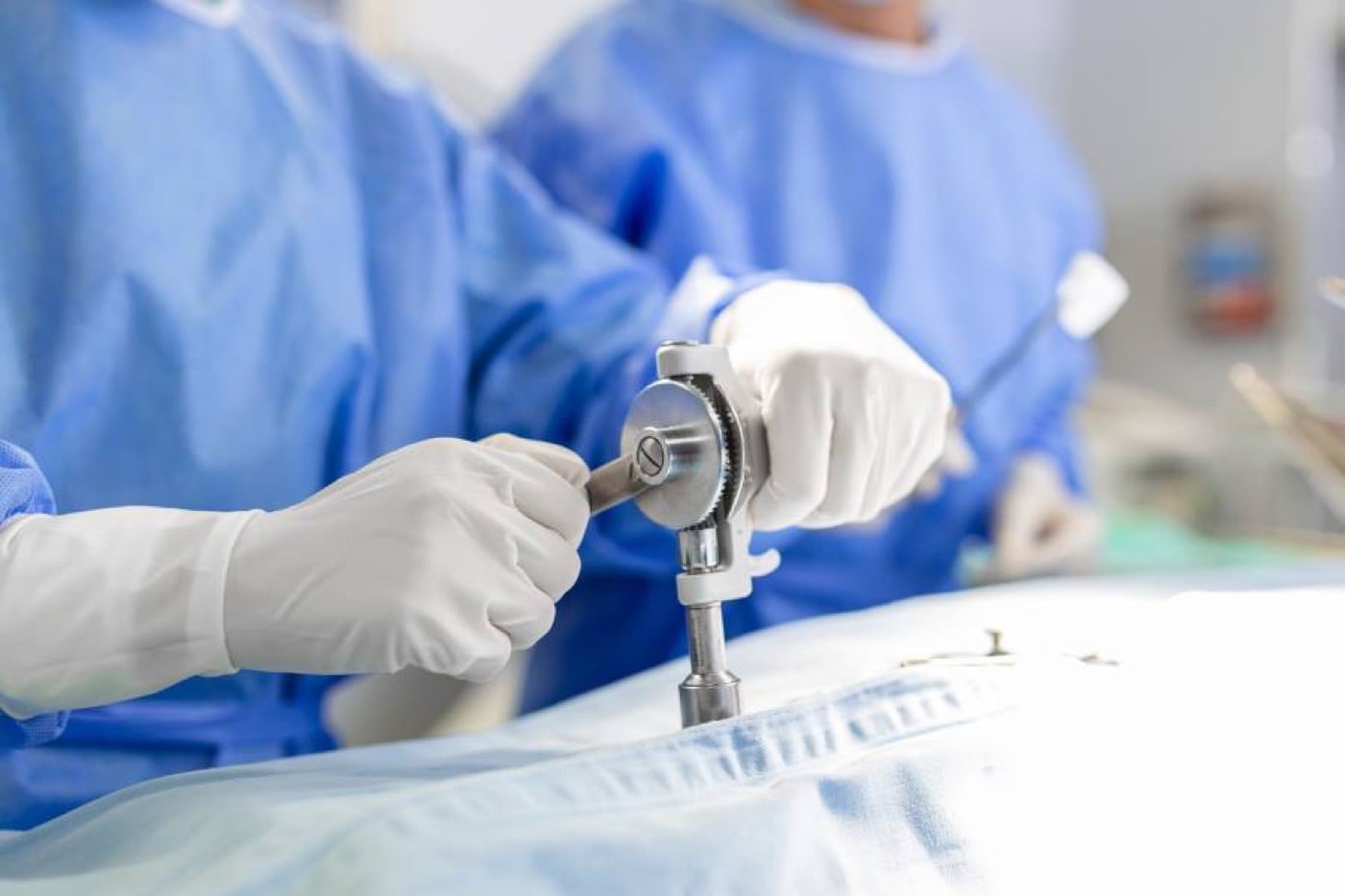
One of the major advances in modern medicine, arthroscopic surgery is a method that has revolutionized the treatment of joint disorders. This technique offers great potential for improvement through a minimally invasive intervention. Arthroscopy provides detailed images of the inside of the joint, making it possible to diagnose and treat problems without cutting the joint open.
Arthroscopic surgery is a method that has evolved over time and is used to treat many joint disorders. For the patient, it means a quick recovery and little pain during the operation. For this reason, it is an important minimally invasive method for protecting and restoring joint health. Arthroscopy holds a respected place among the innovative solutions offered by medical science. The arthroscopic procedure is a technique that has revolutionized joint surgery in particular. Its development began in the early 20th century. It is widely used, especially for sports injuries and degenerative joint diseases.
In arthroscopy, a thin fiber-optic camera is inserted into the joint to provide detailed images of its interior. This has made it possible to use less invasive methods to treat damaged tissue. As technology has advanced, the arthroscopic procedure has allowed surgeons to see the structures inside the joint more clearly. This has brought about a major transformation in orthopedic surgery. Arthroscopy has improved the diagnosis and treatment of joint diseases and increased patient comfort and the speed of recovery.
How Is Arthroscopy Performed?
Arthroscopic surgery is a minimally invasive procedure performed with advanced surgical techniques. Depending on the patient's condition and the joint involved, the anesthesia may be local, spinal or general. For the procedure, a small incision is made over the affected joint. The arthroscope, a fiber-optic camera, is inserted into the joint. This camera allows the surgeon to see the joint in detail. As a result, the surgeon's interventions are less invasive.
After arthroscopic surgery, patients are usually discharged the same day. This is one of the advantages of the procedure. Surgical instruments are inserted through small incisions to carry out the necessary treatment. Thanks to modern surgical techniques, arthroscopic procedures play a critical role in the diagnosis and treatment of joint problems. World-class equipment and experienced surgeons ensure that patients have less pain and a faster recovery.
Advantages of Arthroscopy
Arthroscopy is one of the minimally invasive methods and offers many advantages. Compared with conventional surgery, it causes less pain and leaves smaller scars. As a result, patients recover faster. Arthroscopy limits the intervention on the body. This means a lower risk of infection. It allows patients to recover more quickly and safely.
Arthroscopy is one of the minimally invasive methods and offers many advantages.
Patients treated with arthroscopy usually return to normal life in a short time. This reduces time lost from work and lowers healthcare costs. Hospital stays are shorter, which provides economic and operational benefits for both patients and healthcare institutions.
Which Conditions Is Arthroscopy Used to Diagnose and Treat?
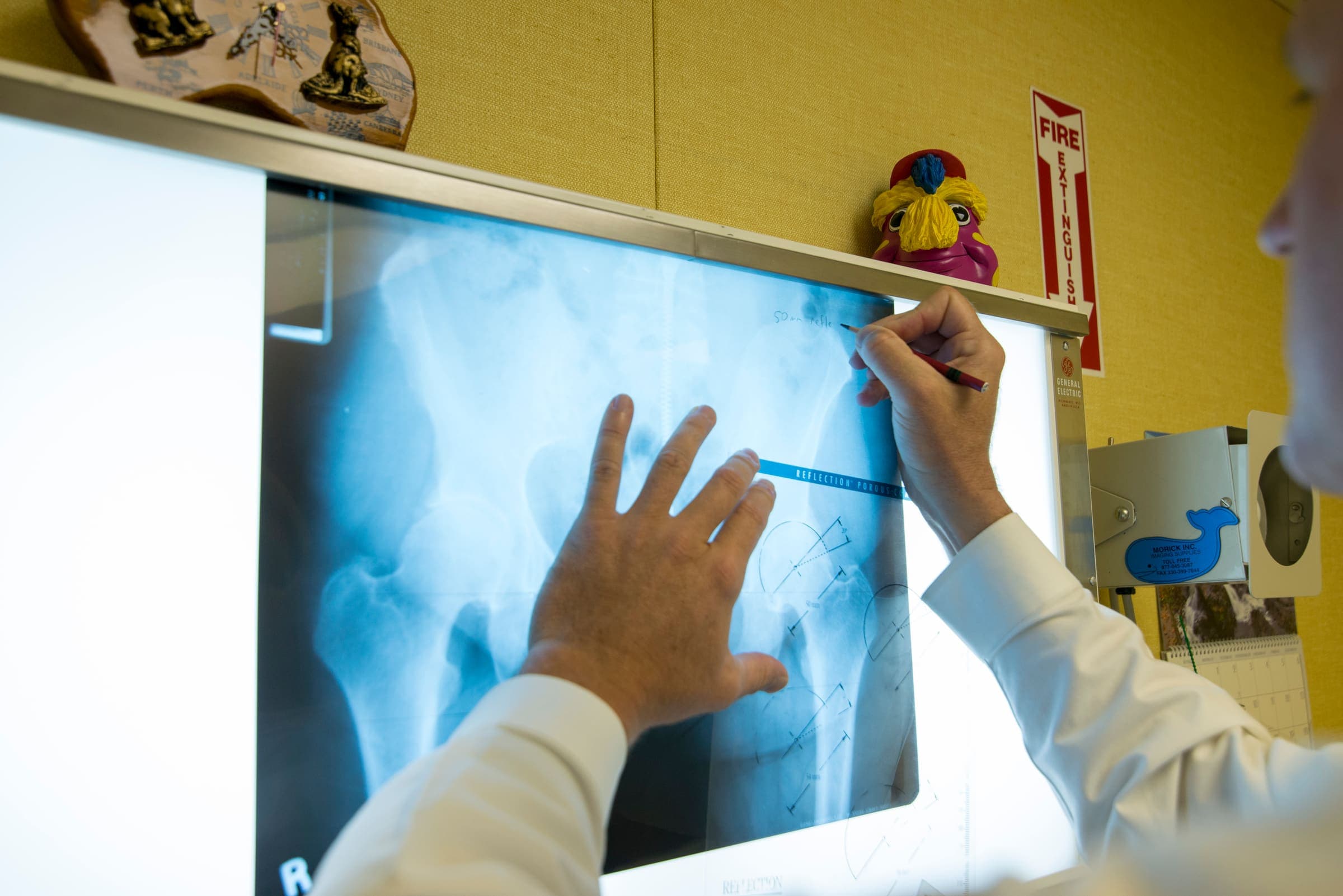

Arthroscopy is used to evaluate joint health and diagnose various disorders. It allows detailed examination of problems such as joint damage, meniscus tears, ligament injuries and osteoarthritis. Joint damage restricts movement and causes pain. Arthroscopy determines the extent and type of the damage. Meniscus tears are a common problem among athletes. Arthroscopy is important for determining the location and severity of the tear. This helps in choosing the right treatment and speeds up recovery. Ligament injuries result from damage to the connective tissue and require arthroscopic intervention.
Osteoarthritis progresses as the joint cartilage wears away. Arthroscopy is used for the early diagnosis of the disease and to slow its progression. Arthroscopic operations are preferred for repairing cartilage damage and improving joint function. Arthroscopy is a critical technology for evaluating the inside of the joint and for surgical interventions. It is effective in managing acute conditions such as meniscus tears and ligament injuries, as well as chronic conditions such as joint damage and osteoarthritis.
Recovery After Arthroscopic Surgery
After arthroscopy, most patients can go home the same day. They can start doing daily activities within the first few days. Arthroscopy rehabilitation and postoperative care help the patient recover quickly. Doctors recommend exercises and physical therapy to help the joint and surrounding structures heal. The rehabilitation process varies depending on the purpose and site of the operation. Arthroscopy rehabilitation returns the patient's joint function to normal in a short time. Personalized care plans are made according to the patient's general health and lifestyle.
Postoperative care includes pain management, infection prevention and appropriate care of the surgical site. Regular checkups during recovery allow complications to be detected early. Patients are taught simple methods they can use at home. The support provided after arthroscopy helps patients return to their normal lives more quickly. Risks and complications after the operation are prevented. Every patient's recovery is different. It is important to follow the doctor's advice and the rehabilitation program.
The information on our website is not intended to direct individuals to any treatment. Do not take any diagnostic or treatment steps without consulting your doctor. The content does not contain information about İzmir Can Hastanesi's therapeutic healthcare services.