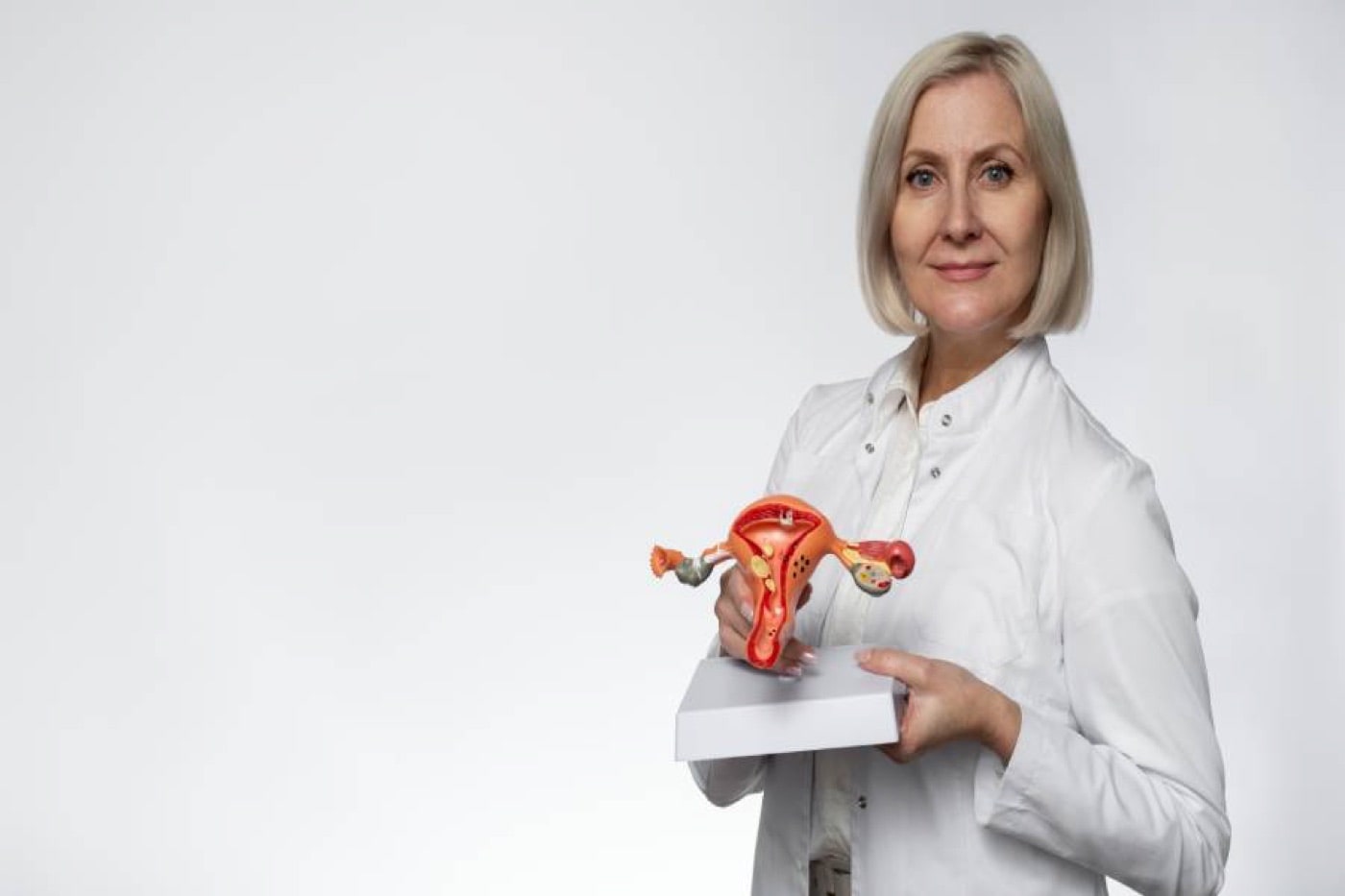
Hysteroscopy is a procedure in which the uterus and cervix, the inner parts of the female reproductive organs, are examined with a special camera (hysteroscope). The hysteroscope, a thin and flexible tube, is inserted into the uterus through the vagina and provides high-resolution images. This makes it easy to diagnose any abnormality inside the uterus, such as polyps, fibroids, adhesions or infection.
Why Is Hysteroscopy Performed?
Hysteroscopy is a method used for both diagnosis and treatment. Hysteroscopy may be preferred in the following situations:
- Abnormal Uterine Bleeding: To determine the cause of irregular or heavy bleeding.
- Infertility: To evaluate the structures inside the uterus and identify conditions that may be preventing pregnancy.
- Recurrent Miscarriage: To investigate structural or infectious problems inside the uterus in women who have had more than one miscarriage.
- Intrauterine Adhesions: To detect and treat adhesions caused by previous uterine surgery or infections.
- Uterine Anomalies: To evaluate congenital or acquired abnormalities in the shape of the uterus.
- Uterine Polyps or Fibroids: To diagnose and remove these benign growths.
How Is Hysteroscopy Performed?
Hysteroscopy is used to diagnose and treat problems of the female reproductive system. It is used for conditions such as abnormal uterine bleeding, infertility and recurrent miscarriage. With this method, problems inside the uterus and how to treat them are identified.
Hysteroscopy is usually performed as an outpatient procedure under local or general anesthesia. Before the procedure, your doctor will give you detailed information and answer your questions. During the procedure:
- Preparation: Before the procedure, you should take any medications your doctor recommends and follow the instructions you are given.
- Anesthesia: The area is numbed with local anesthesia, or general anesthesia may be preferred.
- Insertion of the Hysteroscope: The hysteroscope is gently inserted into the uterus through the vagina.
- Examination of the Uterine Cavity: The inside of the uterus is examined in detail, and if any abnormality is found, a biopsy is taken and sent to pathology for detailed examination.
- Treatment (If Needed): If there is a condition inside the uterus that needs treatment (such as a polyp or fibroid), it is removed with the help of the hysteroscope.
- Completion of the Procedure: Once the procedure is complete, the hysteroscope is removed and the area is cleaned.
Hysteroscopy in the Diagnosis of Abnormal Uterine Bleeding
Abnormal uterine bleeding may involve problems such as irregular or heavy bleeding. Hysteroscopy identifies the causes of these problems and helps plan treatment. Polyps, fibroids and other problems are detected with this method.
Hysteroscopy in Infertility Evaluation
Infertility is a problem many couples face. Hysteroscopy identifies the causes and helps plan treatment. Anatomical abnormalities and adhesions can increase the risk of infertility. These problems are detected and treated with hysteroscopy.
Hysteroscopy in Recurrent Miscarriage
Recurrent miscarriage means three or more miscarriages. This is a difficult experience for couples. Hysteroscopy identifies and corrects the causes. As a result, future pregnancies may be more successful.
What Are the Advantages of Hysteroscopy?
Hysteroscopy is used to diagnose and treat problems inside the uterus. This method reduces pain and shortens recovery time. It also shortens the patient's hospital stay. It makes it possible to see the structures inside the uterus directly. This helps in making the right treatment plan. In this way, unnecessary surgery is avoided. Hysteroscopy helps find the causes of infertility and recurrent miscarriage. The right treatment plan can be made. This increases the chance of pregnancy. Operative hysteroscopy is used to remove polyps, fibroids and adhesions. It can also correct uterine anomalies. It is a safe and effective method for treating problems inside the uterus. Hysteroscopy speeds up recovery. It makes it easier for the patient to return to normal activities. Compared with conventional surgical methods, it offers a more comfortable treatment process.
In conclusion, hysteroscopy offers many advantages in the diagnosis and treatment of problems inside the uterus. It is a patient-friendly method.
In conclusion, hysteroscopy offers many advantages in the diagnosis and treatment of problems inside the uterus.
Minimally Invasive: Because it is performed through the vagina and cervix without any incisions, recovery time is short and the risk of complications is low.
Direct Visualization: Seeing the inside of the uterus directly allows a definitive diagnosis and an appropriate treatment plan.
Fast Recovery: You can return to daily life soon after the procedure.
High Success Rate: It provides effective treatment for many problems inside the uterus.
Outpatient Treatment: It usually does not require a hospital stay.
Preparing for Hysteroscopy
Your doctor will give you information about the procedure and answer your questions. Hormonal treatment may also be given before hysteroscopy. If sedation or general anesthesia will be used, you will need to fast for a certain period before the procedure; your doctor will tell you when to stop eating and drinking. Wearing comfortable clothes on the day of the procedure will help you feel at ease.
How Is the Hysteroscopy Procedure Carried Out?
Hysteroscopy is performed in outpatient centers or hospitals. You will lie on a gynecological examination table and be covered with a drape. Local or general anesthesia keeps you comfortable. The hysteroscope is passed through the vagina and cervix. The uterus is expanded with fluid or gas. This allows the inside of the uterus to be seen clearly. Your doctor examines the structures inside the uterus with the hysteroscope camera. If there are problems such as polyps or fibroids, they are removed. Hysteroscopy usually takes about 30 minutes.
What Are the Types of Hysteroscopy?
Hysteroscopy is used to view the structures inside the uterus. There are two main types: diagnostic and operative hysteroscopy. Each is used for a different purpose.
Diagnostic Hysteroscopy
Diagnostic hysteroscopy is used to view problems inside the uterus. The doctor sees the problems inside the uterus but does not treat them. This procedure is performed on an outpatient basis under local anesthesia.
This is a good method for diagnosing problems inside the uterus. It is also minimally invasive.
Operative Hysteroscopy
Operative hysteroscopy is used for both diagnosis and treatment. Problems inside the uterus, such as polyps and fibroids, are removed or treated. This procedure is performed under general anesthesia.
Operative hysteroscopy is effective in treating problems inside the uterus. When used at the right time, it can resolve many gynecological problems.
The information on our website is not intended to direct individuals to any treatment. Do not take any diagnostic or treatment steps without consulting your doctor. The content does not contain information about İzmir Can Hastanesi's therapeutic healthcare services.