If you are currently pregnant, have recently given birth or have a baby who is still breastfed, you may have many questions on your mind during the ongoing pandemic. In this article, we will try to answer those questions and inform you with an objective approach, free from worry.
RISKS DURING PREGNANCY
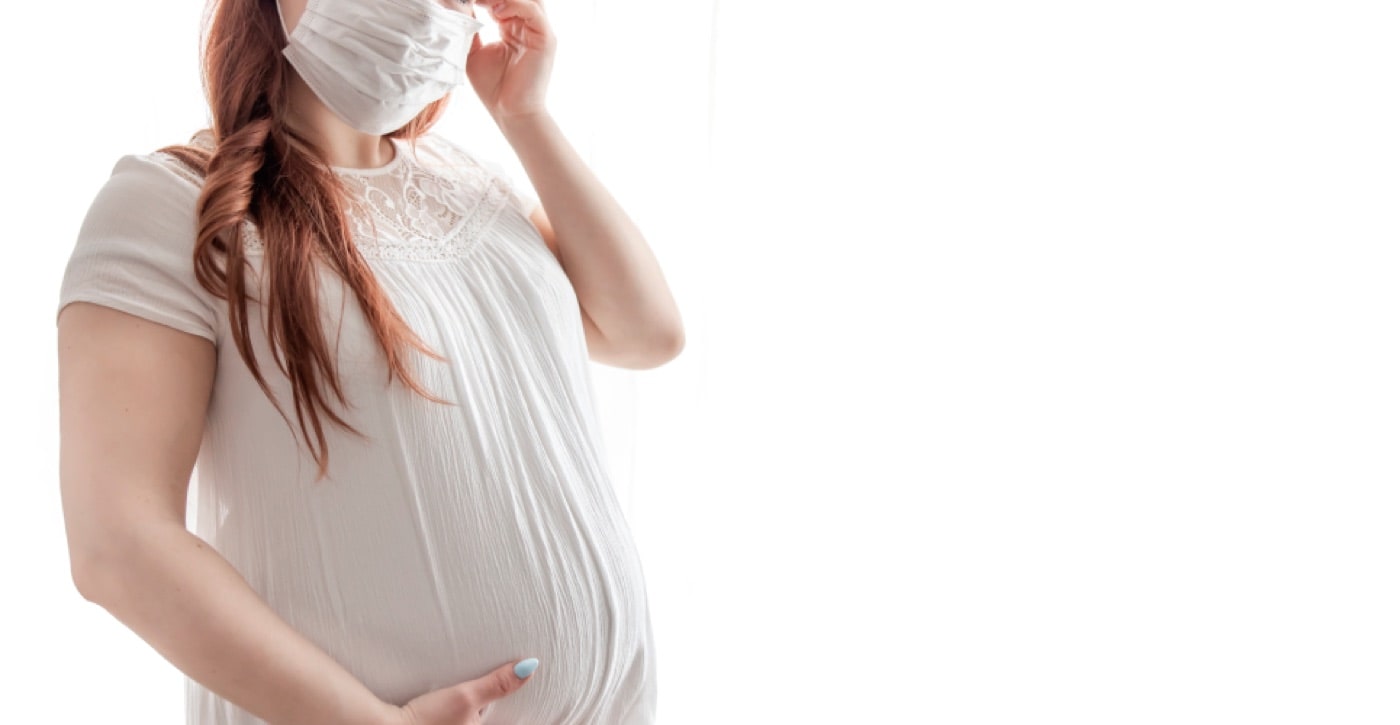
For pregnant women, the risk of COVID-19 having a serious impact is low. Nevertheless, COVID-19 may increase the risk of certain important conditions during pregnancy. According to recent reports from the Centers for Disease Control and Prevention (CDC) in Atlanta, USA, pregnant patients with COVID-19 are more likely to develop respiratory complications and to need intensive care than women who are not pregnant. Pregnant women are also more likely to need mechanical ventilation (a breathing machine).
Women of African or Hispanic descent are also more affected by COVID-19. Women with underlying conditions such as diabetes likewise experience a more severe course of COVID-19.
According to some studies, pregnant women diagnosed with COVID-19 have higher rates of preterm birth and cesarean delivery, and their newborns are more often monitored in the neonatal intensive care unit.
For this reason, if you contract a COVID-19 infection during pregnancy or have been in contact with someone who has it, you should always talk to the doctor who is following your pregnancy.
If you are pregnant and have a COVID-19 infection, you should follow the treatment instructions recommended by your doctor, take the prescribed medications regularly and make sure to drink plenty of water.
Amid efforts to control the COVID-19 infection, prenatal care and counseling should not be neglected. You can get detailed information on this from the obstetrician who is following you. It is also extremely helpful to read materials about childbirth and to attend online classes. You are in a risk group for COVID-19, so be sure to discuss this with your doctor as well.
If you are healthy and nearing the end of your pregnancy, your routine checkups will continue. Even so, depending on the general situation, you may need to be prepared for changes. If you have a scheduled vaginal delivery or cesarean section, you will need to be tested for COVID-19 24–48 hours before delivery. Likewise, the healthcare staff caring for you will be tested regularly. You will also be screened for signs of COVID-19 infection before and after delivery. If you have symptoms or your test is positive, your delivery appointment will be rescheduled.
To protect your health and your baby's, hospitals have limited the number of people allowed in the room. Throughout your hospital stay, both you and the staff caring for you are screened daily for signs of illness. You can get detailed information about these practices from the healthcare team looking after you.
Throughout your hospital stay, both you and the staff caring for you are screened daily for signs of illness.
If you develop suspicious symptoms during your hospital stay and are awaiting your COVID-19 test result, you should keep your mask on and always wash your hands before touching your baby. Your baby's bassinet can be next to your bed, but it will be very important to keep a reasonable distance. When these precautions are taken, the likelihood of your baby becoming infected decreases.
If you have a severe COVID-19 infection, you will need to be kept completely separate from your baby.
Your follow-up will continue in the postpartum period. At this time, your main concern will undoubtedly be your own health and that of your family. In addition to all this, protecting your mental health is also very important. Do not neglect the social support of your family and friends through video calls.
If you experience low mood, fatigue or changes in appetite after giving birth, these may be signs of postpartum depression. If you have such symptoms, or if you are having difficulty taking care of yourself or your baby, you are advised to contact your doctor without delay.
Breastfeeding Precautions:
Studies have found no evidence that the virus passes from breast milk to the baby. The real concern is the possibility of transmission from mother to baby through the respiratory route (via droplets) during breastfeeding.
If you have or suspect a COVID-19 infection, you need to take certain precautions. The most important are touching your baby only after washing your hands thoroughly and wearing a mask while breastfeeding. If you use a breast pump, you should always wash your hands before touching the pump and its parts and follow the rules for cleaning the pump. If someone close to you is available, it is recommended that they feed the expressed milk to the baby.
COVID-19 Vaccines During Pregnancy and Breastfeeding:
At present, there are not enough studies on the safety of COVID-19 vaccines during pregnancy and breastfeeding. Nevertheless, if you are pregnant or breastfeeding and belong to a group that should be vaccinated, getting vaccinated will be the right choice. You can talk to your doctor to find out what course to follow.
To protect yourself from the disease, always follow social distancing rules and avoid contact with people who show signs of illness. Keep your mask on at work and in shared spaces. Limit contact with people as much as possible; use video calls or video conferencing instead. Wash your hands with soap and water for at least 20 seconds or use hand sanitizers containing at least 60% alcohol.
All of this information is extremely important for your health and your baby's. If you have any concerns, it will be very helpful to talk to your doctor. In addition, if you are having trouble managing stress, getting professional support is very important for the health of both you and your baby.
The information on our website is not intended to direct individuals to any treatment. Do not take any diagnostic or treatment steps without consulting your doctor. The content does not contain information about İzmir Can Hastanesi's therapeutic healthcare services.