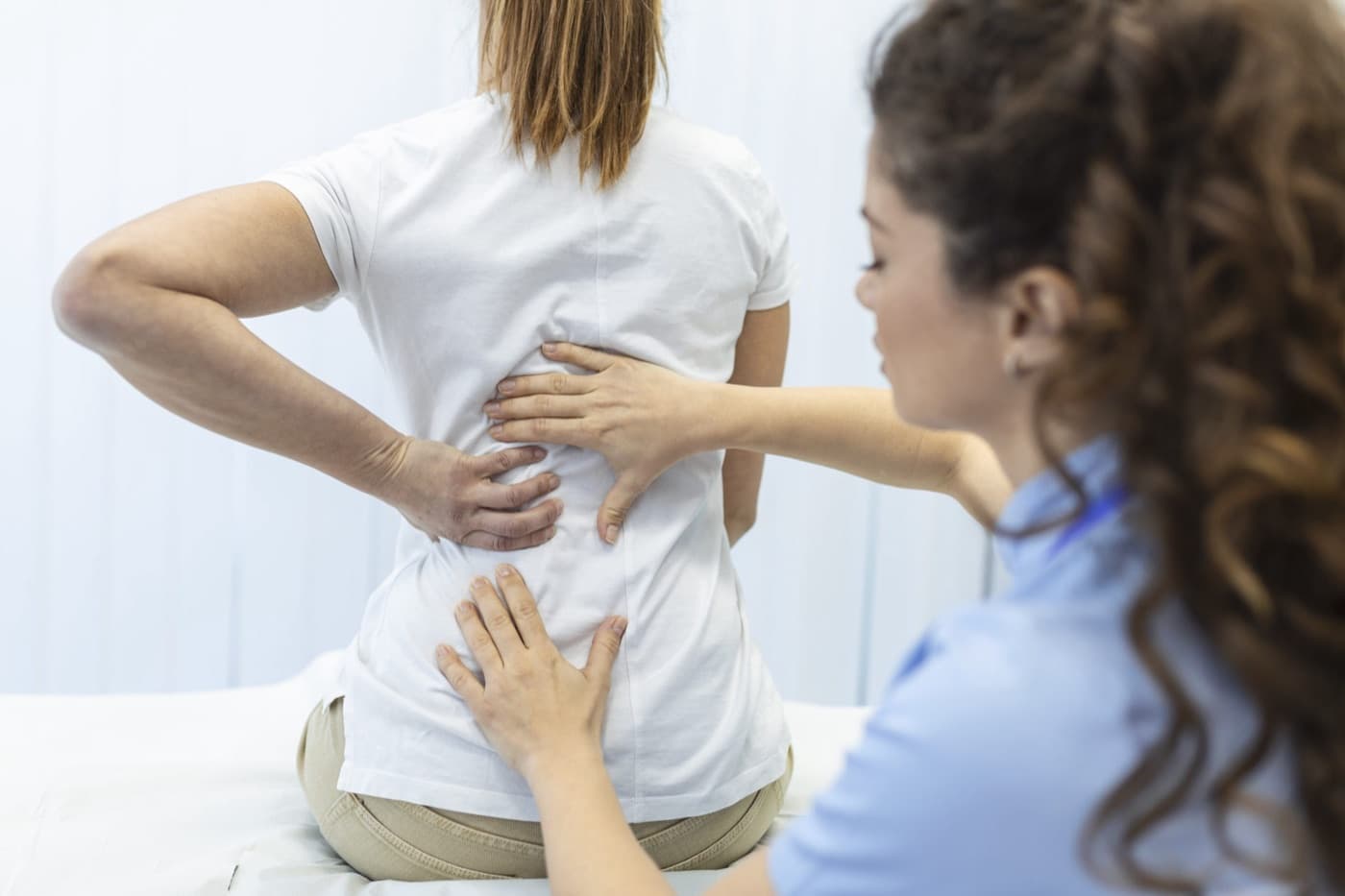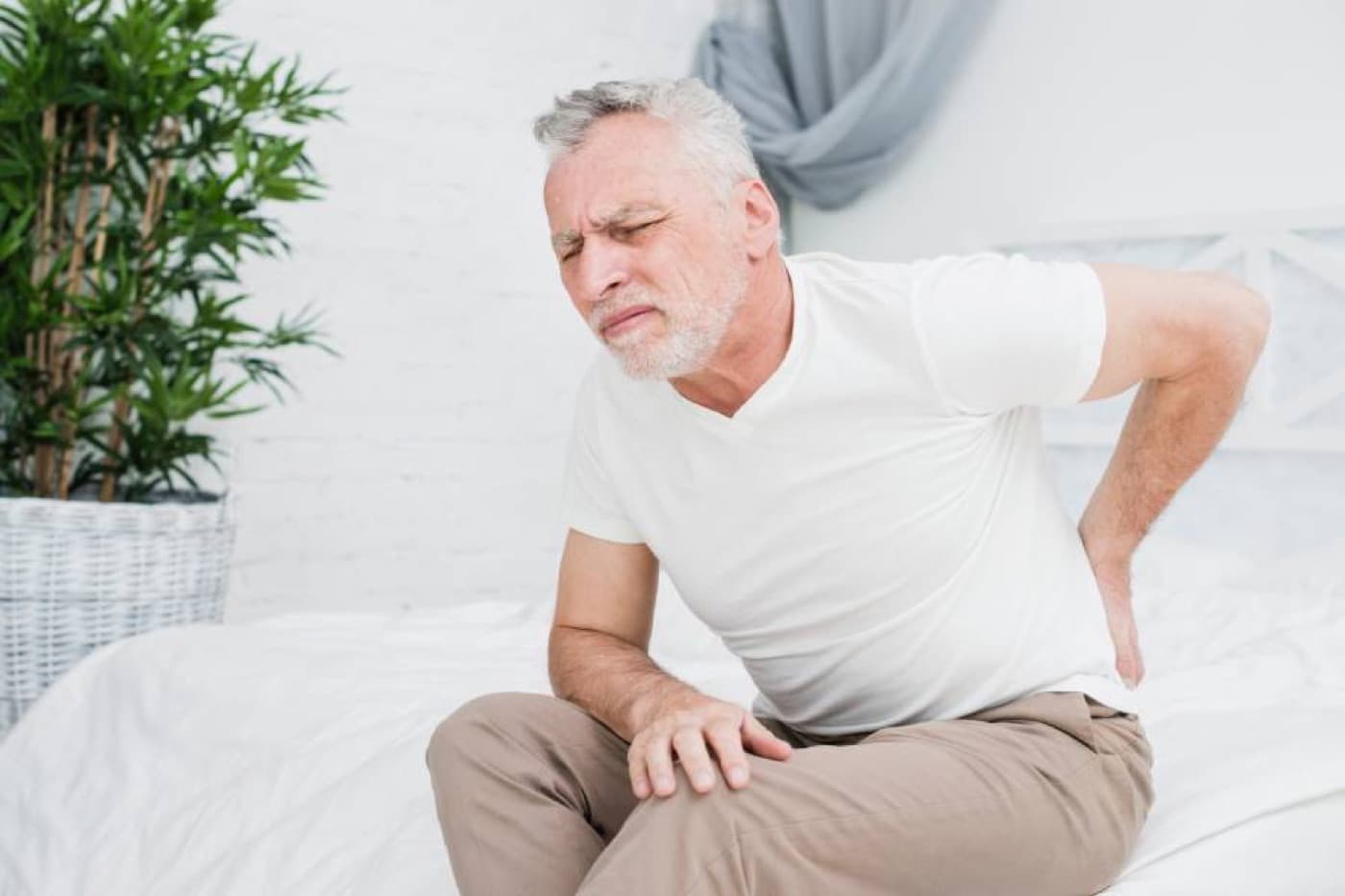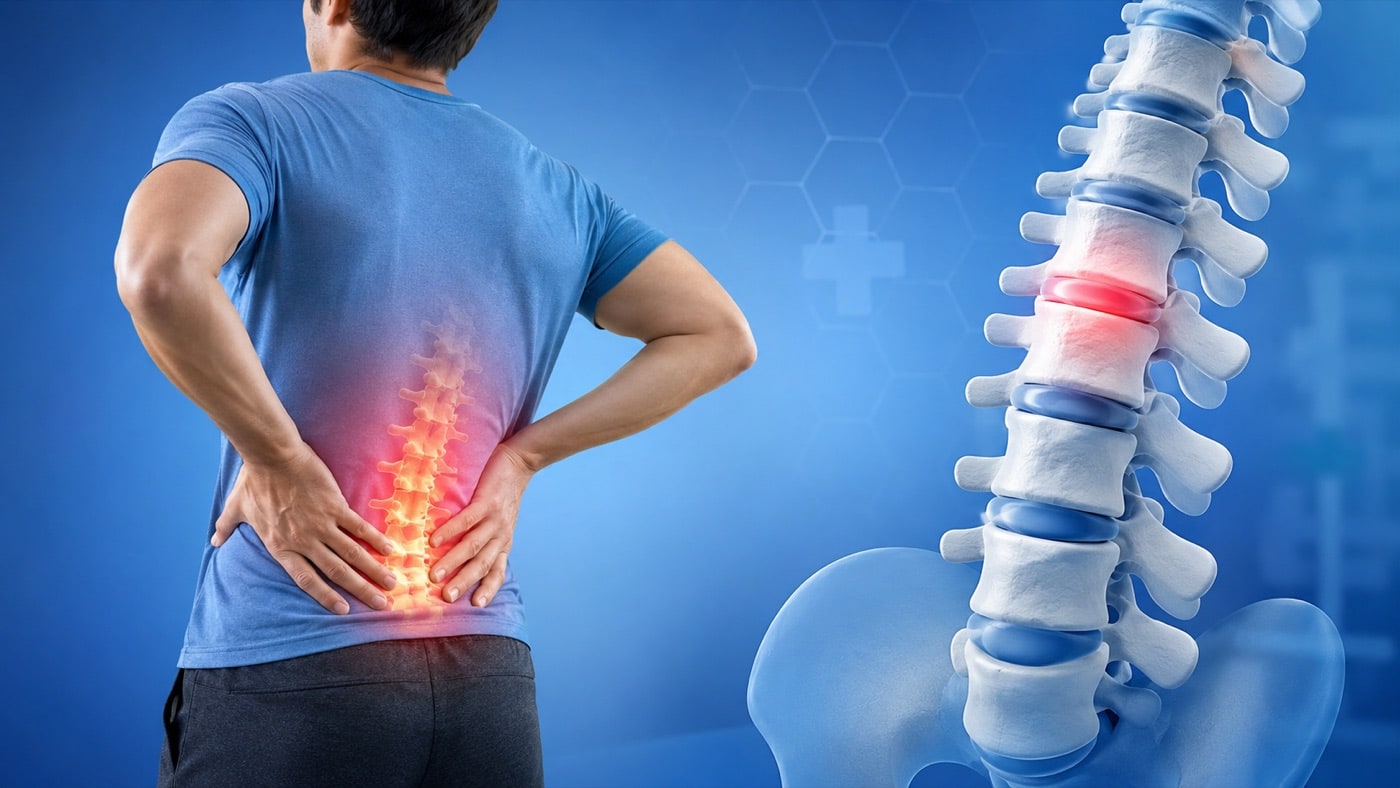
The spine is the main supporting column that holds our body upright. Between the bones that make up this column (the vertebrae) lie flexible, gel-like cushions called “intervertebral discs.” These discs act as biological shock absorbers, cushioning the load placed on the spine when we move, jump or lift heavy objects in everyday life.
Over time, deformities that develop in these discs due to wear and tear, poor posture or sudden trauma can lead to serious spinal problems commonly known as a “herniated disc in the lower back or neck” or a “slipped disc.” In this guide, we take a detailed look at the structure of spinal discs, the types of disc disorders, their symptoms and ways to prevent them.
1. Spinal Disc Structure and Anatomy
A healthy intervertebral disc is a strong yet flexible structure made up of two main components:
- Nucleus Pulposus (Inner Core): The soft, gel-like inner part at the center of the disc, which contains a high proportion of water. It acts as a shock absorber by distributing pressure evenly in all directions.
- Annulus Fibrosus (Outer Capsule): The protective outer ring surrounding the inner core, made up of tough, fibrous layers of cartilage. It prevents the core from leaking out.
With age, the water content of disc tissue naturally decreases. As a result, the disc loses its flexibility and height, and the outer ring (the annulus) becomes more prone to cracking.
Structural Condition of the Disc and Its Effects:
- Healthy Disc: Thanks to its high water content and flexible outer capsule, it maintains the space between the vertebrae and prevents pressure on the nerve roots.
- Degenerated Disc (Disc Wear): Due to water loss, the disc stiffens and becomes thinner, causing the vertebrae to move closer together.
- Herniated Disc (Herniation): A condition in which the tough outer capsule tears and the gel-like inner material protrudes outward, putting pressure on the spinal cord or nerve roots.
2. Common Spinal Disc Problems
Problems affecting the spinal discs are given different names depending on their stage of development and the extent of tissue damage:
- Disc Degeneration: The age-related process in which the discs lose water and flexibility and become thinner.
- Disc Bulge (Bulging): A condition in which the outer ring weakens and the disc extends beyond its normal boundaries but has not yet torn completely.
- Disc Herniation: A condition in which the inner gel tears through the outer ring, protrudes and comes into contact with nearby nerves.
- Sciatica: Severe pain radiating from the hip down the leg as a result of a herniated disc pressing on the sciatic nerve.
3. Causes and Risk Factors of Disc Damage
Both natural processes and lifestyle factors play a role in the deterioration of spinal disc structure.
Both natural processes and lifestyle factors play a role in the deterioration of spinal disc structure.

⚠️ Main Factors That Trigger Disc Problems:
Lifting heavy objects with the wrong technique, a sedentary lifestyle with long periods of sitting, excess weight (extra load on the spine), smoking (which impairs the nourishment of the discs) and genetic predisposition are factors that significantly increase the risk of a herniated disc.
4. Symptoms of Disc Diseases
Symptoms vary depending on the location of the disc lesion and the nerve root affected. Common signs include:
- Chronic or sudden-onset pain in the lower back or neck
- Numbness, tingling and loss of sensation spreading to the legs or arms
- Weakness in the related muscle groups (for example, foot drop or difficulty holding objects)
- Aching that worsens with prolonged sitting, bending forward, or sneezing/coughing
Note: Sudden, severe weakness in the legs or loss of bladder/bowel control requires emergency medical attention.
5. Protecting Disc Health and Treatment Approaches
Most disc problems can be brought under control without surgery. A holistic approach includes the following steps:
- Physical Therapy & Exercise: Exercises that support the core muscles and the joints of the lower back reduce the stress placed on the spine.
- Ergonomic Adjustments: Correcting your sitting position, using lumbar support and applying proper lifting techniques.
- Medications and Injections: Medical treatments aimed at reducing pain and swelling around the nerve.
- Surgery: Preferred in cases with progressive loss of muscle strength and in those that do not respond to non-surgical treatments.
The information on our website is not intended to direct individuals to any treatment. Do not take any diagnostic or treatment steps without consulting your doctor. The content does not contain information about İzmir Can Hastanesi's therapeutic healthcare services.