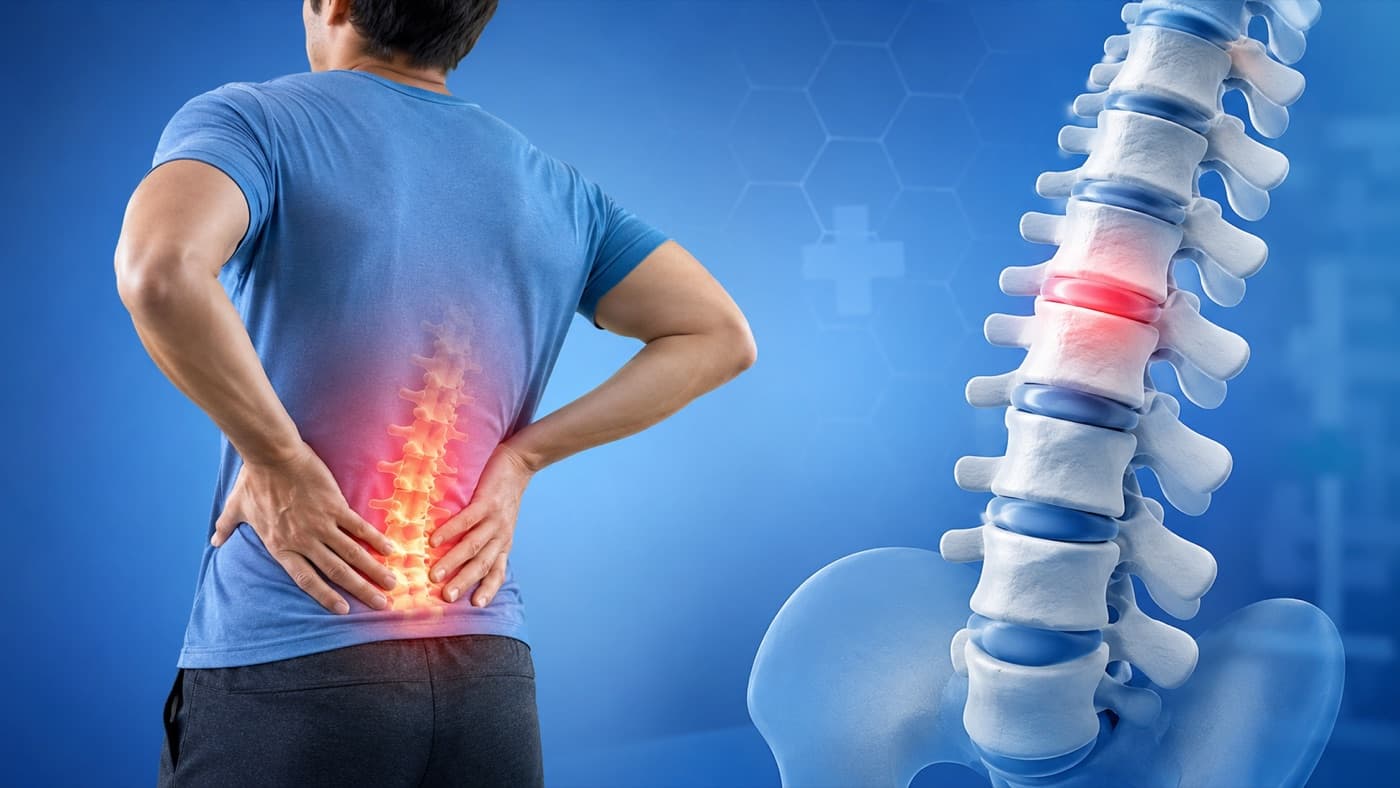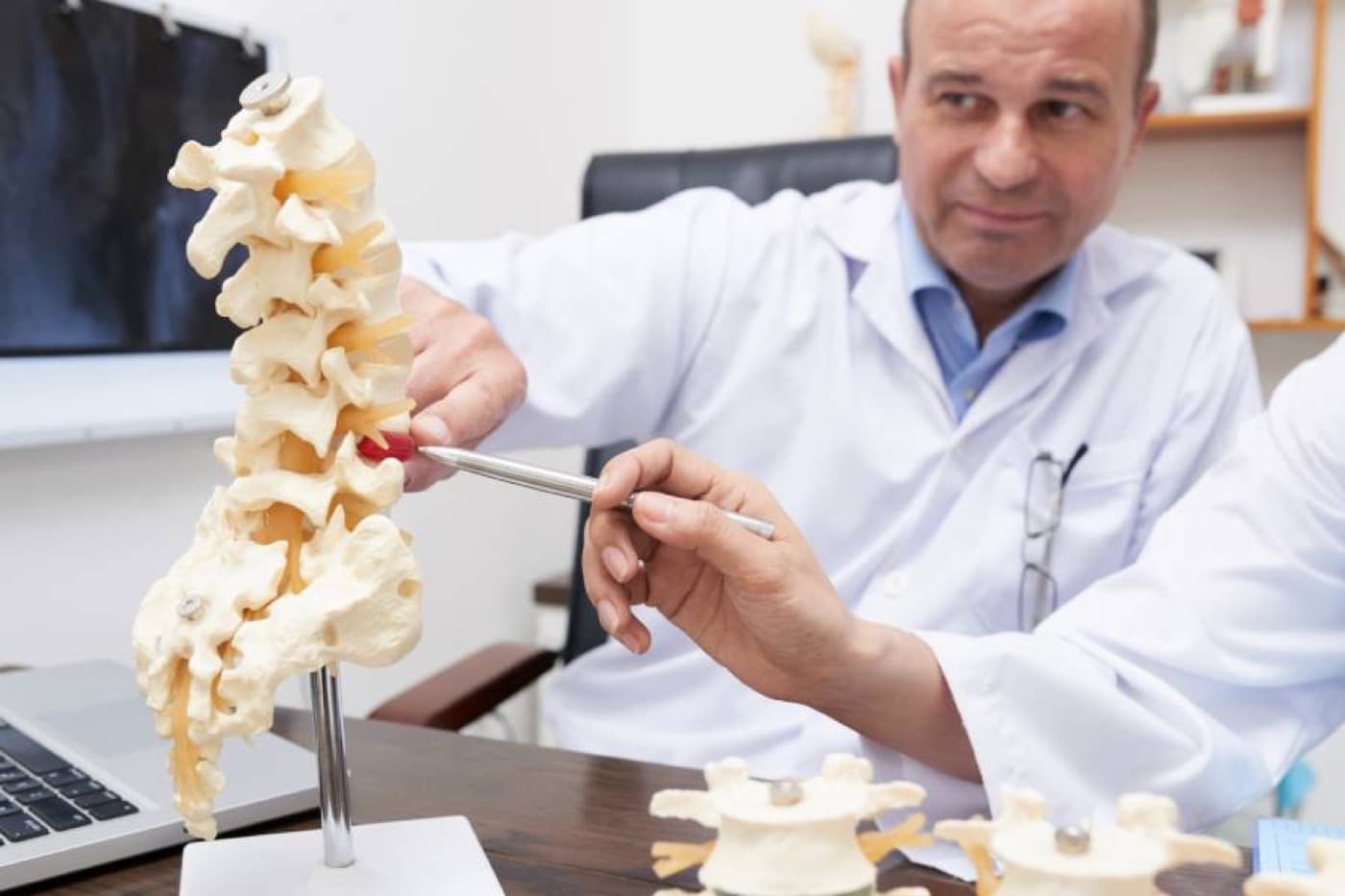
A slipped disc is a condition that threatens spinal health. It occurs when the intervertebral discs move out of place, and it causes severe lower back pain. A slipped disc is also referred to as a herniated disc and can greatly reduce everyday quality of life. Symptoms of a slipped disc include lower back pain, numbness, tingling and weakness in the legs. Treatment options include physical therapy, pain medication and surgical procedures. However, consulting a specialist physician is vital for an accurate diagnosis and an appropriate treatment plan.
What Is a Slipped Disc?
A slipped disc is a condition that develops when the discs between the vertebrae wear down or move out of place. The discs between the vertebrae are the structures that give the spine its mobility and flexibility. Acting as cushions between the vertebrae, the discs help the spine function in a balanced and healthy way. Disc degeneration is the gradual wear of the discs over time as a result of aging or repeated trauma. This weakens the protective outer layer of the disc and allows its inner portion to push outward. The protruding disc tissue presses on the surrounding tissues, leading to pain and other symptoms.
A slipped disc can press on the spinal cord or nerve roots, causing a pinched nerve. This leads to symptoms such as pain, numbness, tingling and muscle weakness in the affected area. Slipped discs most often occur in the lower back and neck, but they can also develop in other parts of the spine.
If left untreated, a slipped disc can lead to chronic pain and restricted movement. For this reason, it is important for people experiencing symptoms of a slipped disc to consult a healthcare professional and receive appropriate treatment. Early diagnosis and the right treatment approach help relieve the problems caused by a slipped disc and protect spinal health.
Symptoms of a Slipped Disc
A slipped disc presents with a variety of symptoms, such as lower back and leg pain. This pain is concentrated in the affected area and worsens with movement. Numbness and tingling are felt in the legs and feet and can affect daily life. Muscle weakness is also among the symptoms of a slipped disc. The affected muscles weaken, making activities such as walking and holding objects more difficult. The severity and duration of symptoms vary from person to person. Some people experience mild symptoms, while others may face more severe and longer-lasting pain. If you experience symptoms such as lower back pain, leg pain, numbness, tingling or muscle weakness, you should consult a healthcare professional. Early diagnosis and appropriate treatment ease the problems caused by a slipped disc and prevent serious complications.
Factors That Cause a Slipped Disc
A slipped disc can result from the discs between the vertebrae wearing down over time or being suddenly damaged. Aging is one of the most important factors behind a slipped disc. As we age, the discs lose their flexibility and become more easily damaged. Obesity is another factor that increases the risk of a slipped disc. Excess weight increases the load on the spine and intensifies the pressure on the discs. This sets the stage for premature wear and slipping of the discs. A sedentary lifestyle also has a negative effect on disc health. Not exercising regularly leads to muscle weakness and leaves the spine without adequate support.
Heavy lifting or improper lifting techniques significantly increase the risk of a slipped disc. Sudden and excessive loading of the lower back in particular can damage the discs. Trauma is another cause of a slipped disc. Spinal injuries can occur as a result of falls, impacts or accidents, and the discs can be affected.
Spinal injuries can occur as a result of falls, impacts or accidents, and the discs can be affected.
Diagnosis of a Slipped Disc
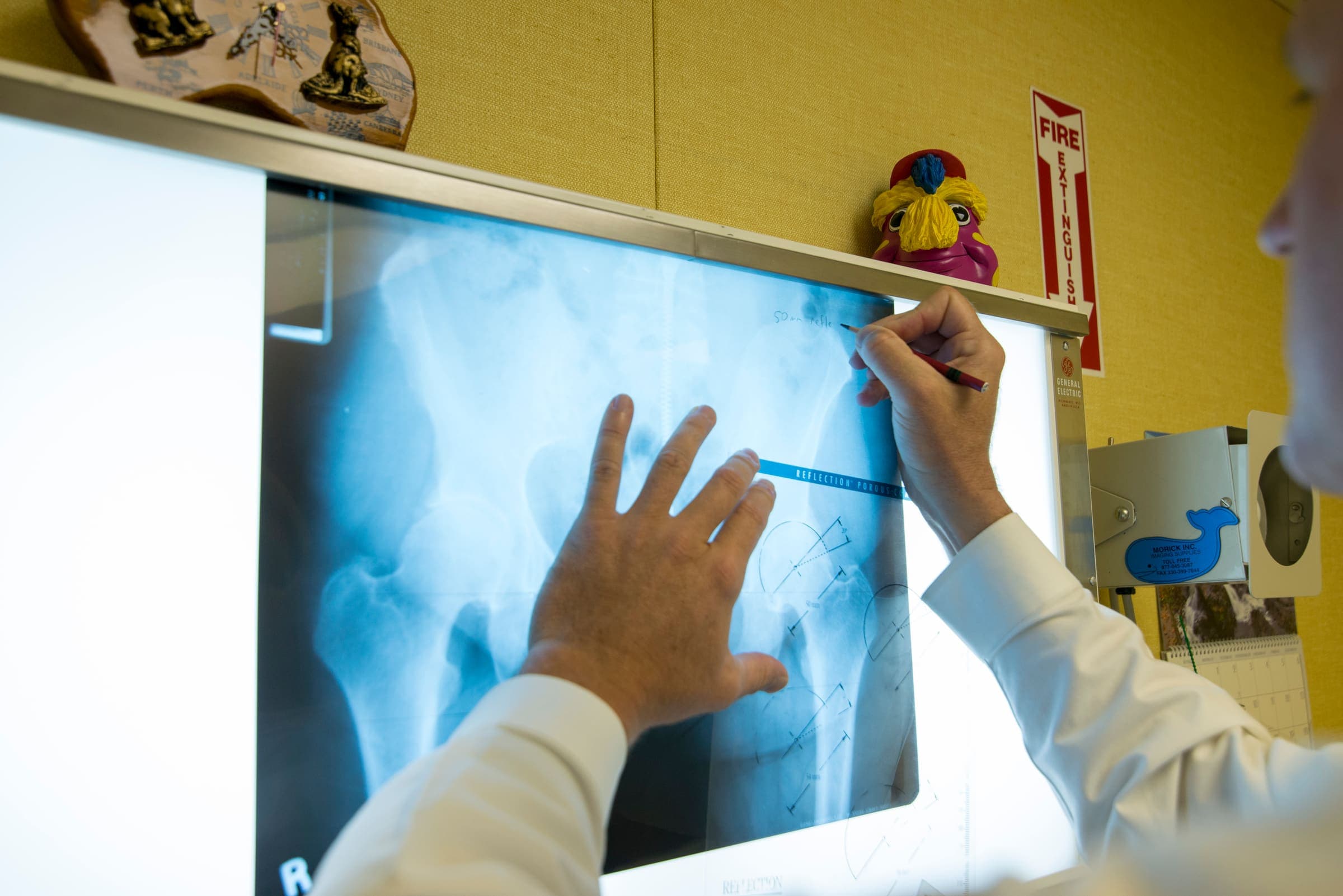
In patients with a suspected slipped disc, various methods are used to make an accurate diagnosis. These include MRI, X-ray, physical examination and neurological tests. These methods play an important role in determining the severity and location of the slipped disc. MRI is one of the most effective methods for imaging a slipped disc. Using magnetic fields and radio waves, it provides detailed images of the spine and the surrounding soft tissues. X-rays, on the other hand, are effective at showing bone structures and can reveal spinal changes related to a slipped disc. The physical examination involves the doctor assessing the patient's posture, movements and painful areas. Neurological tests help identify nerve damage by evaluating signs such as reflexes, muscle strength and loss of sensation. With these diagnostic methods, the location and severity of the slipped disc and its relationship to other spinal problems can be determined. This allows a treatment plan suited to the patient's condition to be created.
Slipped Disc Treatment Options

Various options are available for treating a slipped disc, depending on the patient's condition and the severity of symptoms. Initially, rest and the use of pain relievers are recommended. In addition, changes to daily activities are needed to reduce the load on the lower back and back. Physical therapy plays a critical role in the treatment of a slipped disc. Exercises increase the patient's muscle strength and improve flexibility while also reducing pain. Physical therapy specialists prepare a treatment program tailored to the patient's needs. Methods such as hot or cold compresses, electrotherapy and massage also help relieve the patient's pain.
Surgery is considered when other treatment options have not been effective or when serious neurological symptoms develop. Surgical procedures aim to remove the herniated disc material and relieve the pressure on the nerve roots. Today, thanks to minimally invasive surgical techniques, patients recover more quickly. Treatment of a slipped disc is determined according to each patient's specific situation. Doctors create the most appropriate treatment plan by taking into account factors such as the patient's lifestyle and the duration and severity of symptoms. Regular follow-up and adherence to treatment are vital for a successful recovery.
Ways to Prevent a Slipped Disc
To protect yourself from a slipped disc, you need to take a number of precautions. Regular exercise is among the most effective ways to support disc health. It strengthens the muscles surrounding the spine and increases flexibility. As a result, the pressure on the discs decreases and the risk of slipping is reduced. Gentle exercises such as walking, swimming and yoga are ideal for disc health. Good posture plays a critical role in preventing a slipped disc. Be careful during your daily activities and try to keep your spine straight. When sitting or standing, pull your shoulders back and keep your head upright. When lifting something heavy, bend your knees and keep your back straight. Setting up an ergonomic workspace also helps protect disc health.
A healthy diet and weight control are important factors in preventing a slipped disc. Excess weight increases the load on the spine and puts pressure on the discs. For this reason, it is important to maintain your ideal weight with a balanced diet. Vegetables and fruits with anti-inflammatory properties support disc health. In addition, drinking enough water helps keep the discs hydrated.
These measures are effective in preventing a slipped disc. However, if you already have a disc problem, it is important to talk to your doctor and create a treatment plan tailored to you. With regular exercise, good posture, a healthy diet and weight control, you can protect your disc health and live a pain-free life.
The information on our website is not intended to direct individuals to any treatment. Do not take any diagnostic or treatment steps without consulting your doctor. The content does not contain information about İzmir Can Hastanesi's therapeutic healthcare services.