Intervertebral disc disease is an extremely important issue for spinal health. The discs, which give the body its flexibility and ability to absorb shocks, are located between the vertebrae. Structural or functional abnormalities in the discs lead to a condition known as disc degeneration.
Disc degeneration presents with a variety of symptoms. The most common symptom is low back pain, which is widespread in modern society and seriously affects quality of life. Academic studies show that intervertebral disc disorders are becoming more common and adversely affect people's daily activities. Accurate and timely diagnosis of intervertebral disc disorders, which cause pain and loss of function, is very important for spinal health. These disorders can be managed with appropriate treatment and care, improving patients' quality of life.
Symptoms of intervertebral disc disorders
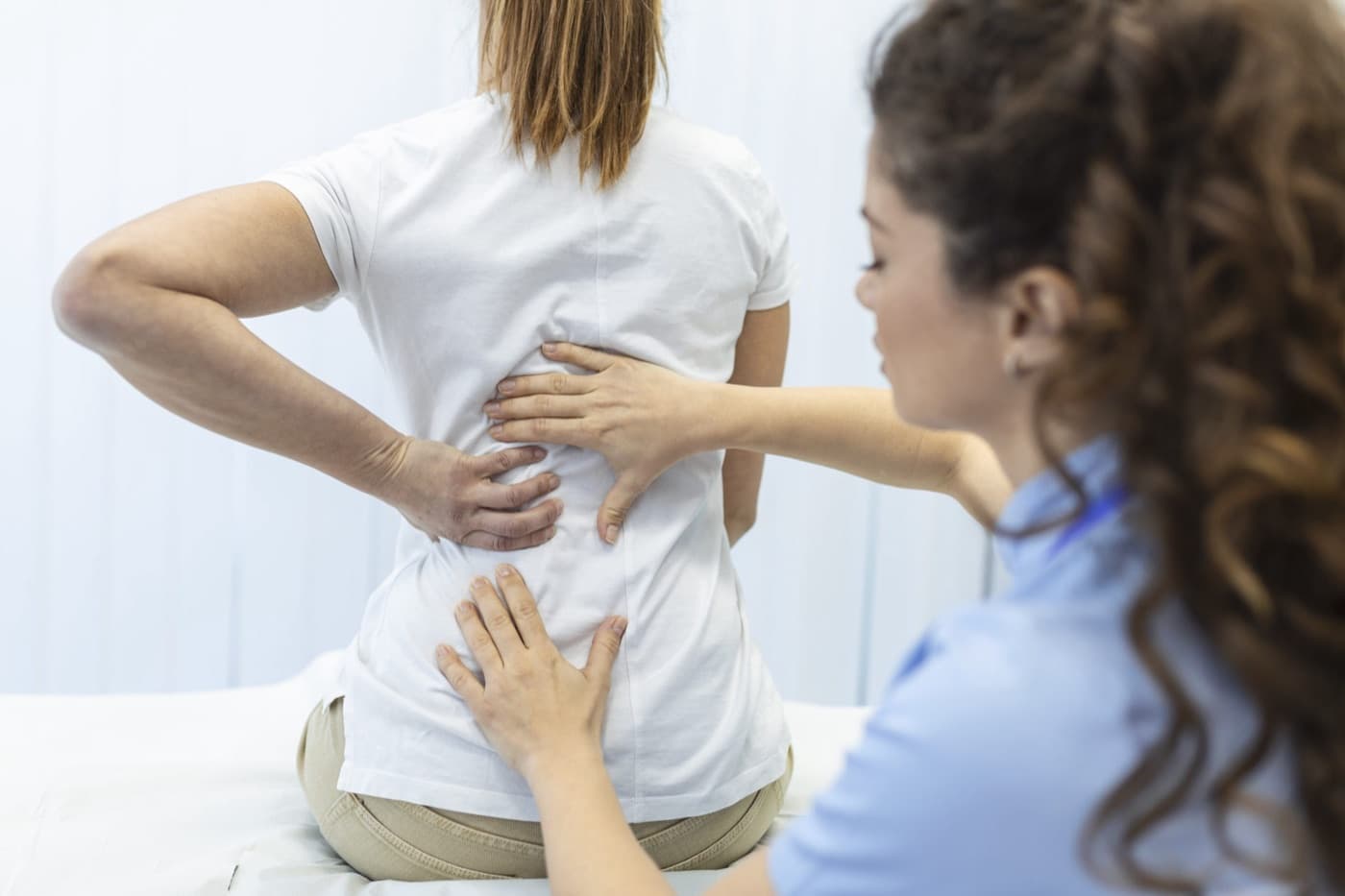
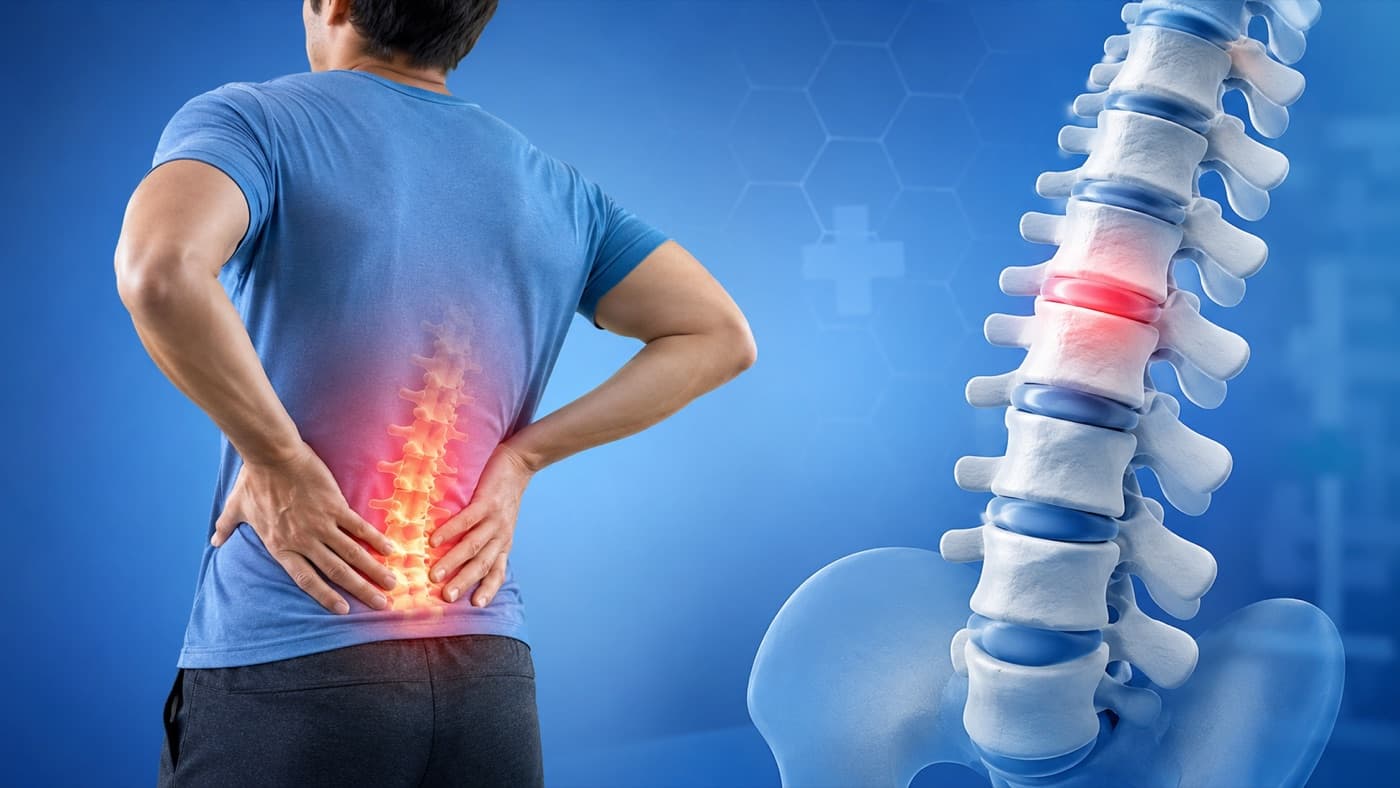
Intervertebral disc disorders present with a variety of symptoms. Low back pain is the most common symptom of these disorders. This pain may sometimes be constant and sometimes worsen with movement. Neck pain is another common symptom. This pain may radiate to the arms and legs and cause a feeling of numbness. Conditions such as a slipped disc may cause different symptoms depending on the nerve roots affected. This may lead to weakness in the legs. The severity and location of the pain vary depending on the extent and location of the disc damage. In advanced disc damage, treatments such as spinal surgery may be needed. This surgery relieves symptoms such as muscle spasms and numbness and restores normal mobility.
Causes of slipped discs and lumbar disc herniation
Slipped discs and lumbar disc herniation usually develop as a result of disc degeneration. Over time, this condition affects spinal health and leads to various problems. Excessive loads, trauma, poor posture habits and genetic factors are common causes of these disorders. During aging, disc degeneration results in a decrease in the water content of the discs and a loss of flexibility. This can weaken the spine's resilience and trigger various disc problems. In addition to aging, lifestyle factors also play an important role in spinal health.
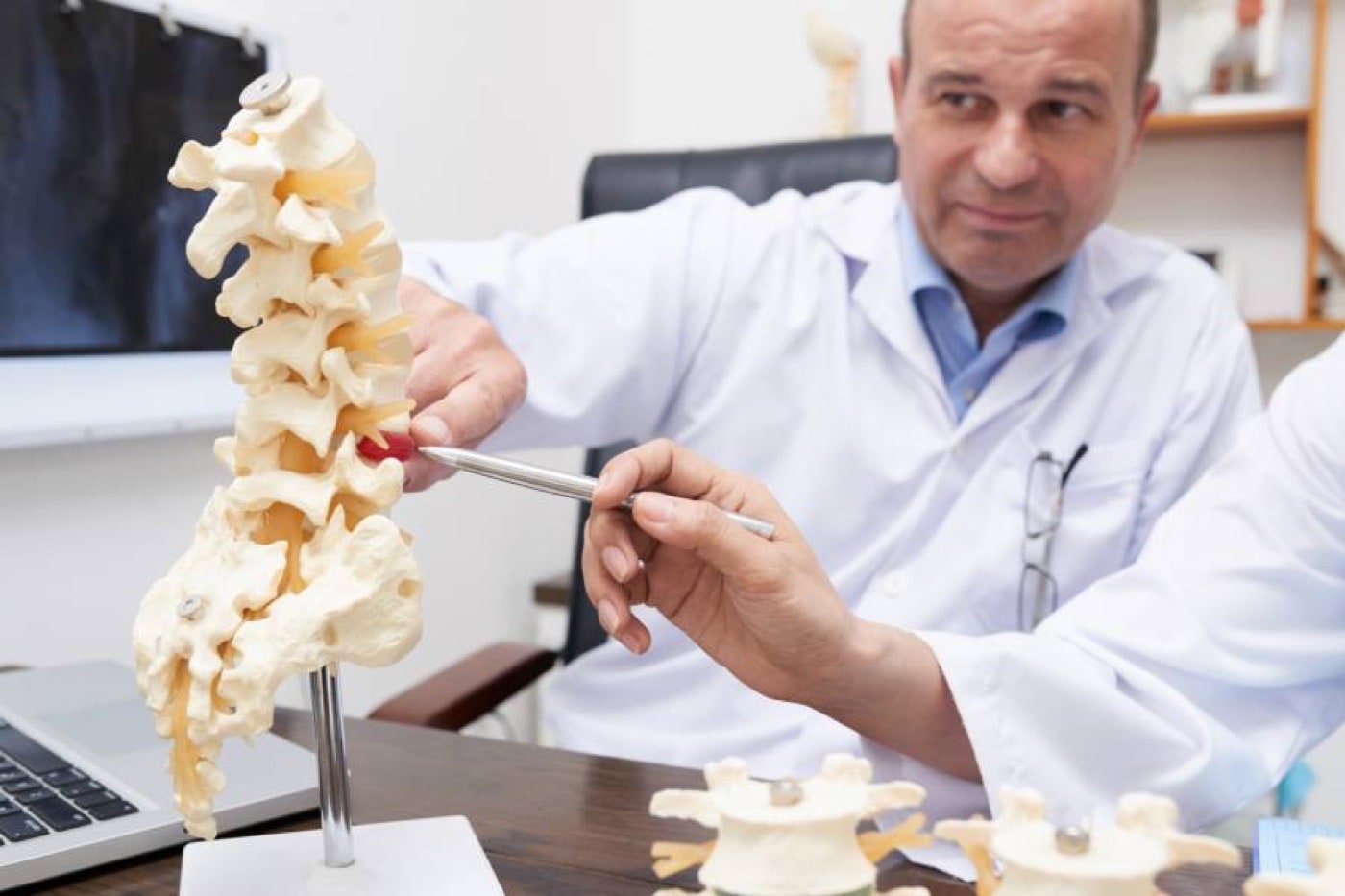
Lumbar disc herniation occurs when disc material slips into the spinal canal and presses on the nerve roots. This causes severe pain and neurological symptoms. Slipped discs and lumbar disc herniation are conditions that require care in daily life. Early measures should be taken to protect spinal health.
Lumbar disc herniation occurs when disc material slips into the spinal canal and presses on the nerve roots.
Ways to protect spinal health
Regular exercise is very important for protecting spinal health. Strengthening the core muscles reduces the load on the spine and lowers the risk of disc herniation. Ensuring ergonomic working conditions and adopting correct posture are critical for spinal health. Avoiding prolonged sitting, heavy lifting and incorrect positions prevents problems such as low back pain. Nutrition has a significant effect on spinal health. Foods rich in calcium and vitamin D support bone health and protect the spine. In addition, adequate fluid intake keeps the discs hydrated and maintains their flexibility.
Regular health checkups are important for protecting spinal health. They allow potential problems such as disc herniation to be diagnosed and treated early. Early intervention prevents serious complications and improves quality of life.
Treatment options for disc herniation
Various treatment options are available for disc herniation and other intervertebral disc disorders. As a first step, physical therapy, medication or injections are used to relieve symptoms. These methods provide relief by reducing pain and inflammation. In more severe cases, spinal surgery may be needed. Spinal surgery is an effective method for treating serious conditions such as disc herniation. Using minimally invasive techniques instead of conventional open surgery shortens recovery time and reduces the risk of complications.
Minimally invasive techniques used in the treatment of disc herniation include microsurgery and endoscopic discectomy. These advanced surgical methods help patients return to their daily lives more quickly. Participating in long-term rehabilitation programs after treatment is important in reducing the risk of recurrence of disc herniation and other intervertebral disc disorders. Patients need to attend regular checkups after treatment. This follow-up is extremely important for monitoring the spine and overall health. It should not be forgotten that exercise and lifestyle changes during rehabilitation play a major role in preventing problems such as lumbar disc herniation from recurring.
The information on our website is not intended to direct individuals to any treatment. Do not take any diagnostic or treatment steps without consulting your doctor. The content does not contain information about İzmir Can Hastanesi's therapeutic healthcare services.