The perinatal period refers to the stage from the 22nd week of pregnancy until 7 days after birth. This period is vitally important for both maternal health and the baby's development. To understand the importance of the perinatal period, the answer to the question “What does perinatal mean?” highlights the critical role this stage plays.
Perinatology is a field specializing in the medical needs specific to this special period and in the management of high-risk pregnancies. Protecting maternal health and supporting the baby's development are among the top priorities in the perinatal period. For this reason, the perinatal period is regarded as a vital stage for protecting the health of both mother and baby.
The Perinatal Period and Its Importance
The perinatal period is a critical time for the health of both mother and baby. Detailed monitoring and management of this period are carried out by perinatology specialists. Precautions taken in high-risk pregnancies have positive effects on the baby's development and maternal health. To ensure the baby develops healthily, regular checkups are performed by doctors specializing in perinatology.
During this period, special tests and monitoring are carried out to protect and improve maternal health. Follow-up of high-risk pregnancies is extremely important for preventing possible complications. Therefore, careful monitoring and interventions during the perinatal period are indispensable for the health of both mother and baby.
The Prenatal Period and Pregnancy Follow-Up
We regard the prenatal period as a critical time for both maternal health and the baby's development. During this period, regular pregnancy follow-up is vitally important for protecting the health of both mother and baby. Throughout pregnancy, doctor visits and the necessary tests allow possible risks to be detected early and addressed.
Supporting maternal health begins with keeping an eye on prenatal eating habits. Balanced and nutritious foods meet the nutritional needs of both mother and baby. During this period, proper and adequate nutrition supports the baby's healthy growth while also meeting the mother's energy needs.
Perinatal psychology aims to support the mother's mental health. Emotional ups and downs and stress during pregnancy can affect the mental and emotional health of the expectant mother. For this reason, receiving psychological support throughout the prenatal period has a positive effect on both mother and baby. Family support also plays an important role in this process.
Emotional ups and downs and stress during pregnancy can affect the mental and emotional health of the expectant mother.
The prenatal period and pregnancy follow-up are critical for the mother to have a healthy pregnancy and for the baby to develop healthily. With regular checkups, proper nutrition and psychological support, it is possible to get through this period in the best possible way.
Childbirth and Postnatal Care
Childbirth is one of the most intense and delicate stages of the perinatal period. Postnatal care is important for safeguarding both the mother's health during the postpartum period and the healthy development of the newborn. Supporting the mother physically and psychologically is important throughout the postpartum period. During this time, postnatal care plays a vital role in the mother's recovery after childbirth.
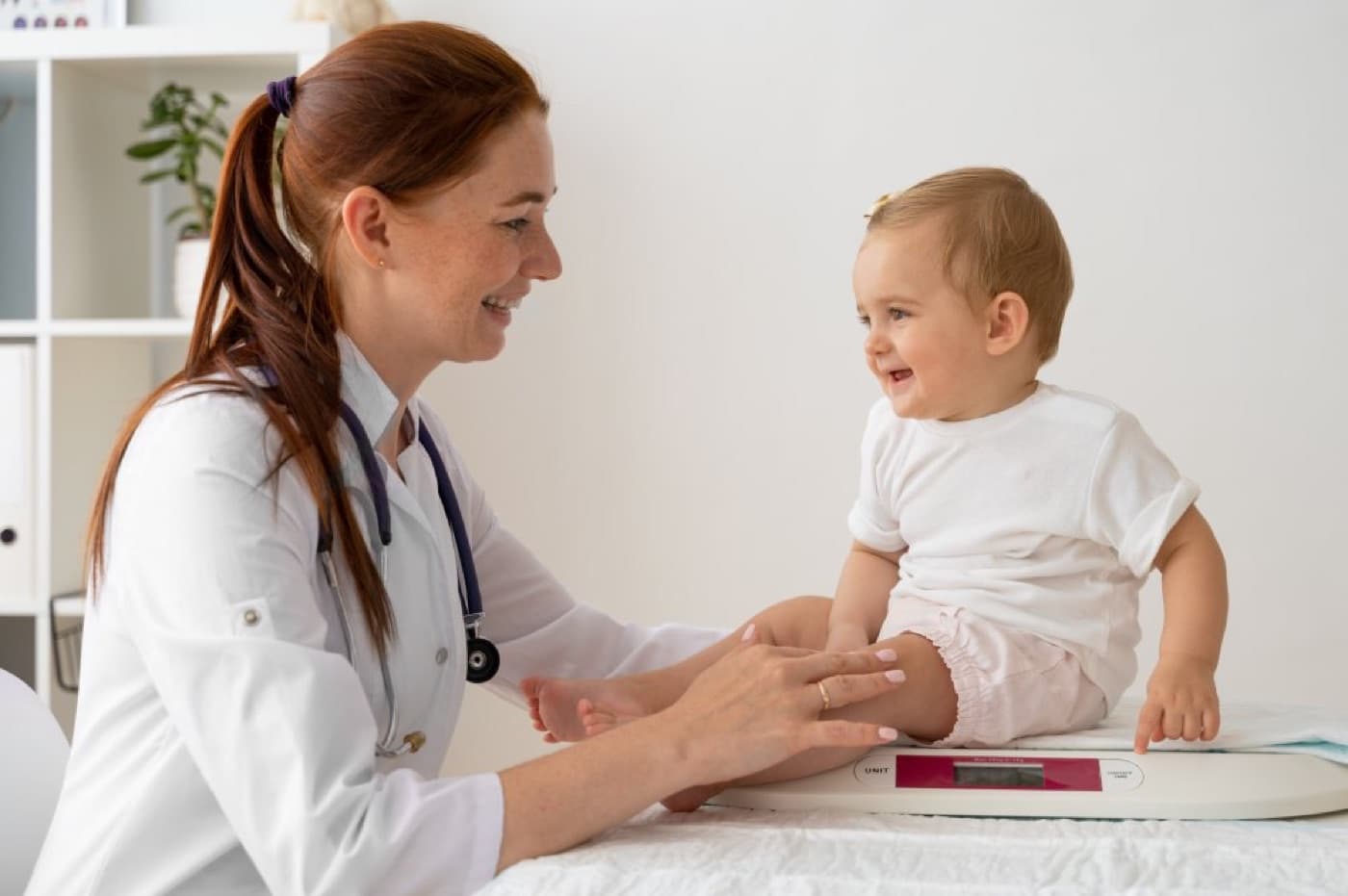
Newborn care is critical for the baby's development. For a healthy start, mothers need to be equipped with information and support. The baby's development should be monitored after birth, and all necessary supervision should be provided. During this period, the mother's health should also be followed closely so that possible complications can be prevented.
The holistic approach our healthcare professionals offer mothers and babies during postnatal care helps build community health on strong foundations. This care, provided throughout the postpartum period, aims to protect both the mother and the newborn in the best possible way.
The Postpartum Period and Newborn Care
The postpartum period reflects the physical and psychological changes the mother experiences in the first months after giving birth. During this time, the mother's physical and emotional well-being is critically important. In this period, the mother's body goes through a process of recovery after pregnancy and childbirth. Receiving postnatal care and support from specialists can speed up this recovery.
Newborn care requires great attention and care in the baby's first months after birth. During this time, the baby's development progresses rapidly and plays an important role. For the baby to develop healthily, it is essential to meet basic needs such as feeding, hygiene and a sleep routine. It is very important for parents to take informed steps during this process by getting information and support.
Perinatal psychology should also be taken into account during the postpartum period and newborn care. It is known that mothers may have a high need for psychological support after giving birth. Receiving psychological support makes it easier for the mother to overcome conditions such as postpartum depression and increases harmony within the family.
The information on our website is not intended to direct individuals to any treatment. Do not take any diagnostic or treatment steps without consulting your doctor. The content does not contain information about İzmir Can Hastanesi's therapeutic healthcare services.