VARICOSE VEINS
What Are Varicose Veins?
Varicose veins are described as swelling of the veins, known as vein dilation, with pooling of blood. They are a permanent widening of the veins caused by the valves in the veins not working properly. They mostly appear on the legs and are more common in women.
What Causes Varicose Veins?
Hereditary factors are important in varicose veins. Having parents with varicose veins increases the likelihood of developing them. A family history is seen in two-thirds of patients.
They may be more common during pregnancy and with the use of birth control pills.
Inactivity and standing for long periods increase the development of varicose veins. Office workers need to get up and move around from time to time. Walking for at least 45 minutes a day to relieve the legs, where blood pools, will improve circulation and help prevent varicose veins. Long journeys can also cause swelling and pain in the feet and, subsequently, varicose veins.
Heat is the enemy of varicose veins. Avoid very hot baths, saunas and Turkish baths. Unlike heat, cold narrows varicose veins, soothes them and eases swelling and pain. You can massage your legs with cold water.
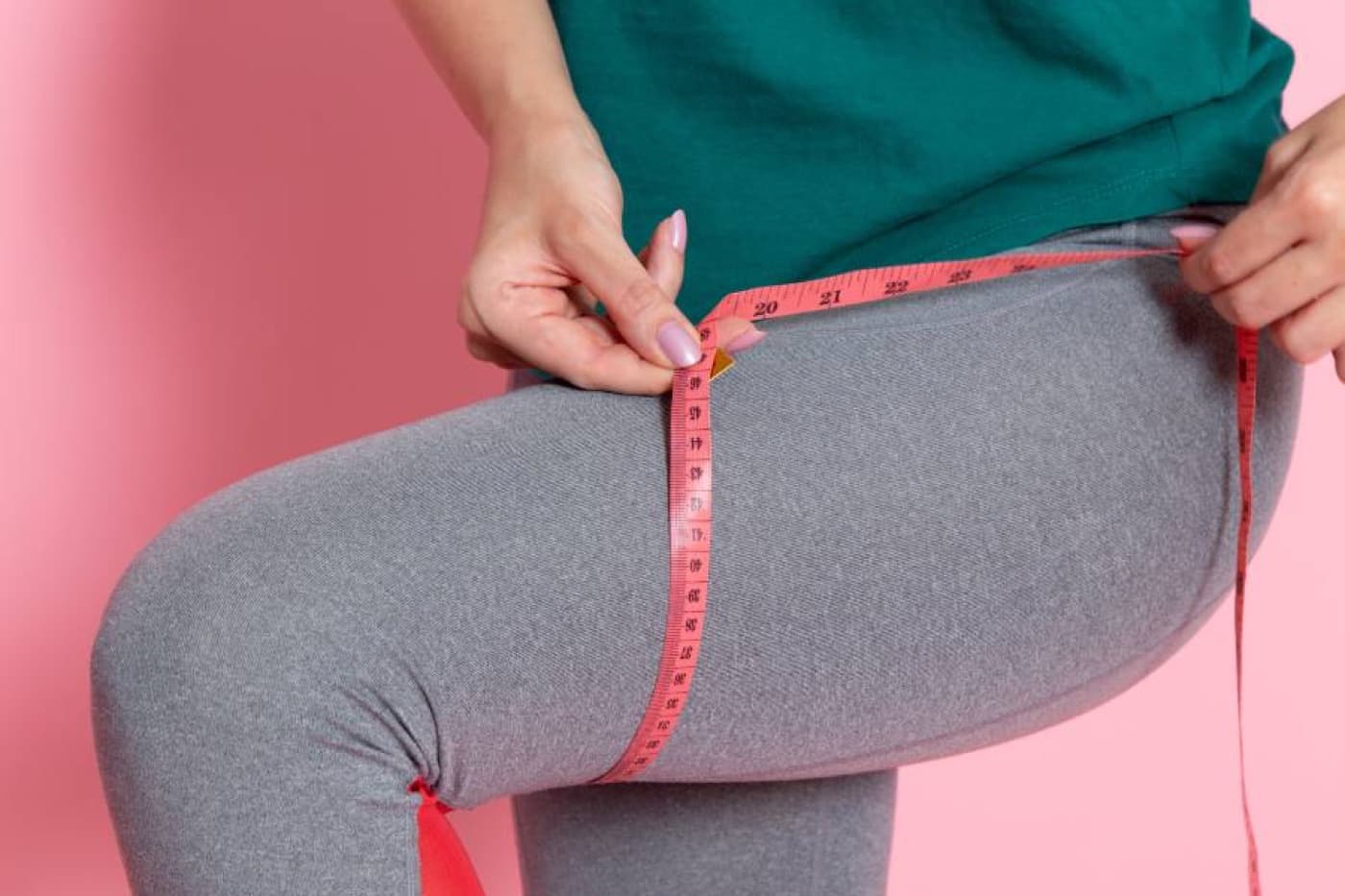
Excess weight is another cause of varicose veins. Carrying more weight than the body can support increases the pressure inside the veins. Losing excess weight will help prevent varicose veins.
High-heeled, hard-soled shoes hinder blood circulation, which increases the risk of varicose veins.
TYPES OF VARICOSE VEINS
They are generally grouped into 3 types.
Large varicose veins: These measure 4–15 mm and bulge directly from the skin.
Medium-sized varicose veins: These measure 2–4 mm and bulge slightly from the skin.
Spider veins (capillary varicose veins): These are smaller than 1–2 mm, red and purple in color, and do not bulge from the skin.
DIAGNOSIS AND TREATMENT OF VARICOSE VEINS
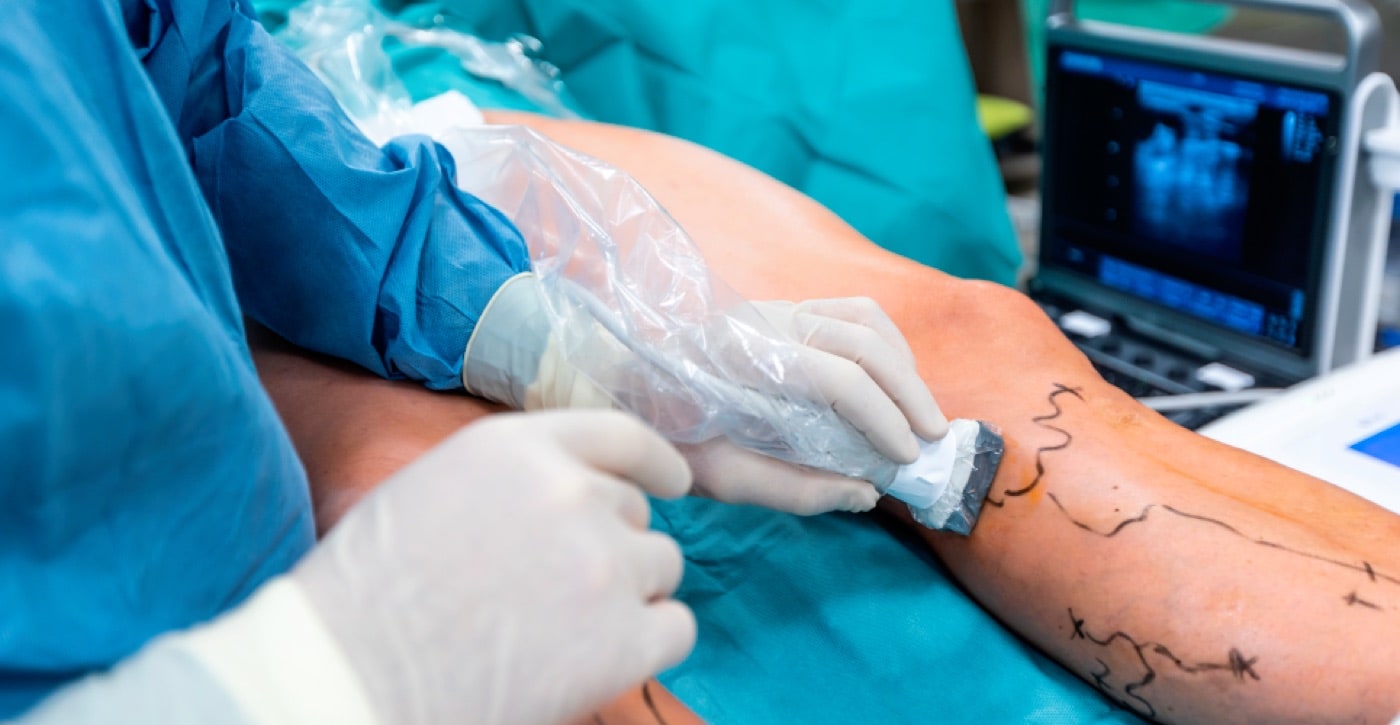
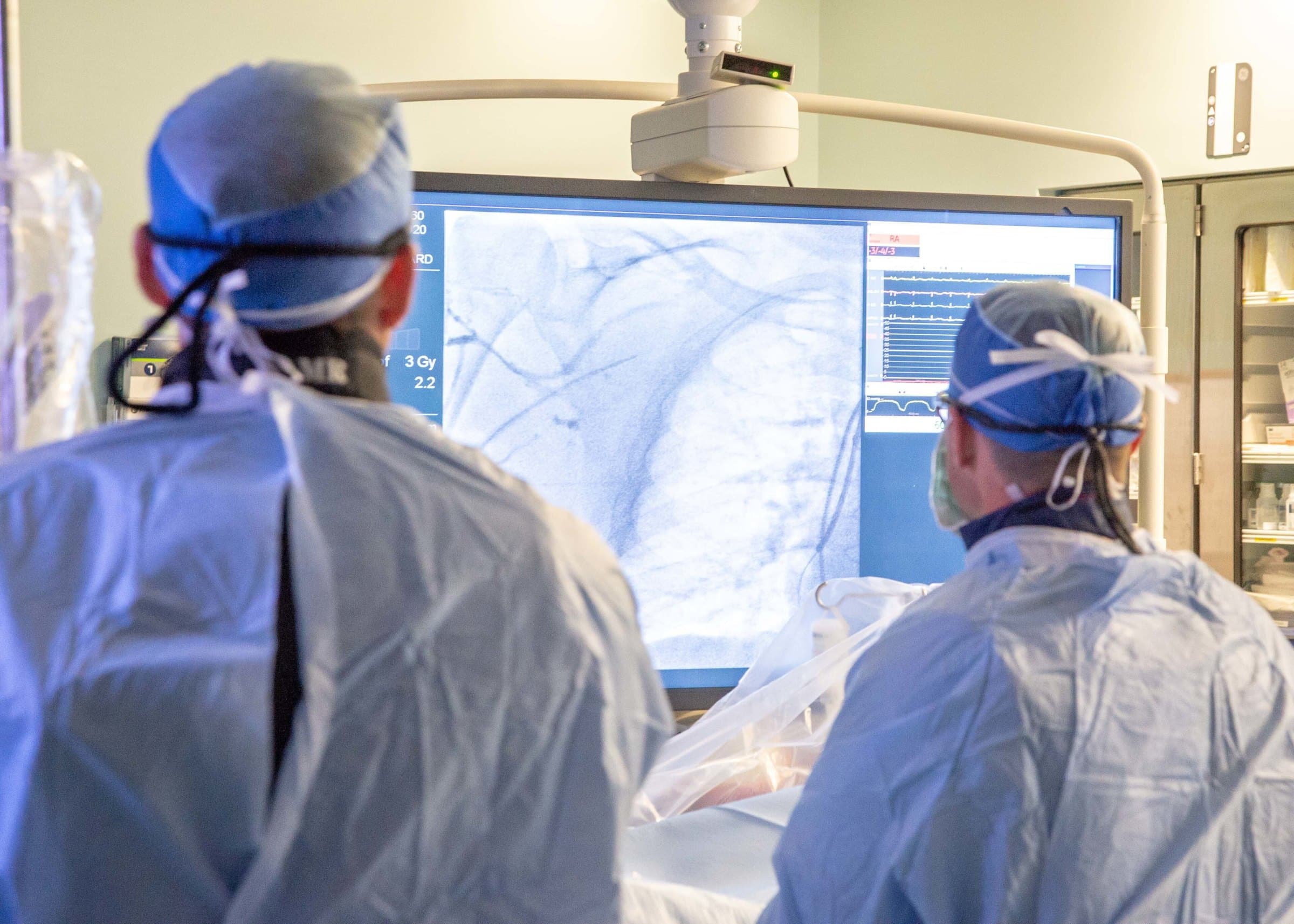
Varicose veins are a condition that is clearly visible to the eye. However, after the examination, the doctor may order an ultrasound for a detailed diagnosis or perform it themselves. Taking into account their own examination findings and the patient's expectations, the doctor may use one or more of the treatment methods in the same patient.
Taking into account their own examination findings and the patient's expectations, the doctor may use one or more of the treatment methods in the same patient.
- • The first step is usually compression stockings. Compression stockings support the dilated veins. This will reduce your pain.
- • Raising your legs will also help disperse the blood pooled in your veins.
- • Sclerotherapy and Foam Treatment: This is done by injecting a chemical substance into the dilated veins. The concentration of the medication is adjusted according to the size of the varicose vein. If the vein diameter is large, the medication is mixed with air to form a foam. The reaction caused by the medication makes the varicose veins shrink and seal shut. This treatment method is highly effective on varicose veins. It is used for spider, medium-sized and even large varicose veins.
- • Endovenous (Inside the Vein) Ablation with Laser and Radiofrequency: This is used mostly to treat medium-sized and large veins. The vein is accessed with a special catheter. Radiofrequency and laser irritate the vein wall with heat, causing the varicose vein wall to seal shut. It is especially effective in treating internal (deep-lying) varicose veins.
- • Endovenous Adhesive – Vein Glue Treatment: This has been one of the most preferred treatments in recent years. As with endovenous laser and radiofrequency treatment, the vein is accessed with a catheter. Glue is delivered into the vein and pressure is applied to seal it shut.
- • Laser Treatment on the Skin: These treatments can make fine and spider veins on the skin disappear. They are also used for dilated capillaries on the face and give effective results. Several sessions may be needed depending on the density of the lesions.
- • Varicose Vein Surgery: In this method, the veins forming the varicosities are surgically removed.
Helpful Lifestyle Tips for People with Varicose Veins
- • As part of a healthy lifestyle, adopt an exercise routine that you do regularly.
- • If varicose veins run in your family, you are also more likely to develop them. Women in particular are at high risk during pregnancy, and preventive measures must be taken. (compression stockings, plenty of fluids, exercise, etc.)
- • Pregnancy is the period when varicose veins become most prominent, not only for women with a family history of the condition but for all women, because of the growing baby pressing on the veins in the abdomen, hormonal changes, weight problems and issues such as constipation. Taking preventive measures is therefore beneficial.
- • One of the most effective ways to reduce varicose vein complaints is leg elevation (raising the legs). This should be done by placing medium-firm supports under the legs so that the legs are above chest level.
- • Cutting down on smoking and alcohol makes a clear contribution to reducing complaints and to overall health.
- • Tight clothing that constricts the waist, clothing that squeezes certain areas of the legs and very high-heeled shoes are not suitable for people with varicose veins. Complaints will increase during periods when such clothing is worn frequently.
- • Sitting with your legs crossed may worsen complaints in people with venous insufficiency.
- • Because heat causes the veins to dilate, very hot thermal waters, hot massages applied to the legs, saunas and very hot bathwater are also among the things to avoid.
- • All conditions that increase intra-abdominal pressure (obesity, constipation, heavy lifting) are harmful for people with varicose veins and should definitely be avoided. In many patients obesity, and in most constipation, is chiefly responsible for the progression of complaints.
- • People who work standing or sitting for long periods are more likely to develop varicose veins. These people can improve blood circulation in their leg veins with exercises they do while working.
Varicose Veins and Nutrition

- • Limit your calorie intake. High calories = Obesity = Varicose legs. Losing 10% of body weight leads to improvement in varicose veins.
- • Eat foods rich in vitamin C. Vitamin C is necessary for the production of collagen and elastin, which are abundant in the vein wall. Its effectiveness increases when taken together with vitamin E. Vitamin E also improves blood flow.
- • Eat fiber-rich foods. Fiber is the indigestible part of food. It makes waste pass more easily, reduces its contact with the intestinal wall and prevents constipation. It also reduces the development of diverticula and hemorrhoids. Constipation worsens varicose veins by increasing the pressure inside the veins.
- • Drink plenty of fluids. Plenty of fluids are especially necessary along with fiber-rich foods. In summer, you need to drink enough fluids to replace losses.
- • Eat foods containing flavonoids. Flavonoids are compounds that give fruits and vegetables their color. A link has been found between flavonoid intake and improvement in varicose veins. They are also found in some varicose vein medications.
- • Eating magnesium-rich foods is important in the treatment of varicose veins. Magnesium deficiency can increase the cramps and restless legs problems seen in people with varicose veins. Bananas, avocados and cruciferous vegetables are beneficial because they are rich in magnesium.
Varicose Veins and Exercise
Exercise is the most fundamental element in both preventing and treating varicose veins. When the veins carry used blood from the legs upward against gravity, they receive the most important support from the leg muscles. Therefore, well-functioning, active leg muscles not only prevent varicose veins from forming but also help reduce complaints caused by existing varicose veins. Sports that work the leg muscles, such as walking, swimming, cycling, Pilates and tennis, are suitable. Daily brisk walks are an easy form of exercise.
Varicose Veins and Summer
- • Drink plenty of fluids.
- • Swim often. Swimming works the leg muscles as well as the whole body. It is one of the most beneficial exercises for varicose veins.
- • Protect yourself from excessive heat, but don't be afraid to sunbathe. After sunbathing, rinse your legs with slightly cool water.
- • Cut down on alcohol, cola and caffeinated drinks. These increase constipation. By contributing to obesity and fluid loss, they pave the way for varicose veins.
- • Choose more comfortable clothing instead of tight clothes that constrict the waist.
- • Work your legs with morning and evening walks.
- • At least 3 times a day, for 15 minutes each, rest with a pillow under your legs so that your legs are above chest level.
- • Instead of heavy, carbohydrate-rich foods that are hard to digest, focus on fiber-rich vegetables, dishes cooked with olive oil, fish and fruits containing flavonoids. (Strawberries, blackberries, blueberries, etc.)
Consume foods and drinks that provide plenty of vitamin C. (Rose hip, hibiscus tea, lemonade, kiwi, etc.)
The information on our website is not intended to direct individuals to any treatment. Do not take any diagnostic or treatment steps without consulting your doctor. The content does not contain information about İzmir Can Hastanesi's therapeutic healthcare services.