
Do you have a cough? And are you avoiding seeing a doctor because it’s “just a simple cough”? Experts say that a cough is one of the most common reasons people visit a doctor. More than 30 million people see a doctor about a cough every year. The first step toward getting rid of your symptoms and feeling better is to identify the type of cough you have and what is causing it. Then the most suitable treatment for you can be chosen based on your symptoms.
What Are the Types of Cough?
The basic function of a cough is to protect you: coughing helps you expel harmful things that don’t belong in your lungs and windpipe, such as polluted air you breathe in or food. However, these may not be the only sources of a cough, and how long a cough lasts also varies depending on what is causing it.
This is also why classifying the types of cough is important:
Productive cough: Also called a wet cough, this type of cough brings up mucus and phlegm.
Dry, nonproductive cough: This is a dry cough that doesn’t bring up phlegm or mucus.
Acute cough: A cough that starts suddenly and lasts less than 3 weeks.
Subacute cough: This type usually continues after you have had an infection and lasts 3 to 8 weeks.
Chronic cough: This is a cough that lasts 8 weeks or longer and may require medical attention.
Refractory cough: This is the name given to a chronic cough that does not respond to treatment.
Refractory cough: This is the name given to a chronic cough that does not respond to treatment.
What Causes a Cough? Why Do We Cough?
There are many common causes of coughing, and coughs caused by viruses are among the most common. We can catch illnesses such as colds and flu that cause “productive” coughs. A cough that helps expel germ-laden mucus from your lungs usually goes away within a few days. However, with colds, a dry cough can sometimes last for weeks. This may be because coughing irritates your lungs, which in turn leads to more coughing.
With coughs caused by allergies and asthma, if you have an allergy, breathing in a trigger can make your lungs overreact. They may try to expel whatever is bothering them by coughing. Even if you don’t have allergies, cold air, cigarette smoke, or strong perfumes can also irritate your lungs. When your nose is congested, mucus drips from your nose down your throat (postnasal drip) and makes you cough. You may have a runny nose because of colds, flu, sinus infections, allergies, and other problems.
When you have heartburn, stomach acid often comes back up into your throat, usually at night. It can irritate your windpipe, vocal cords, and throat and make you cough.
COPD points to a much more serious condition than all the other factors we have listed. Diseases such as emphysema, chronic bronchitis, and chronic obstructive asthma weaken the tubes in your airways (bronchial tubes) and the tiny sacs (alveoli) that pass oxygen into your blood and remove carbon dioxide. Smoking is the most common cause of COPD. Pneumonia, sleep apnea, and medication side effects can also trigger your cough. For a cough that won’t go away, we recommend that you consult your doctor to make sure you don’t have another underlying condition.
How Is a Cough Treated?
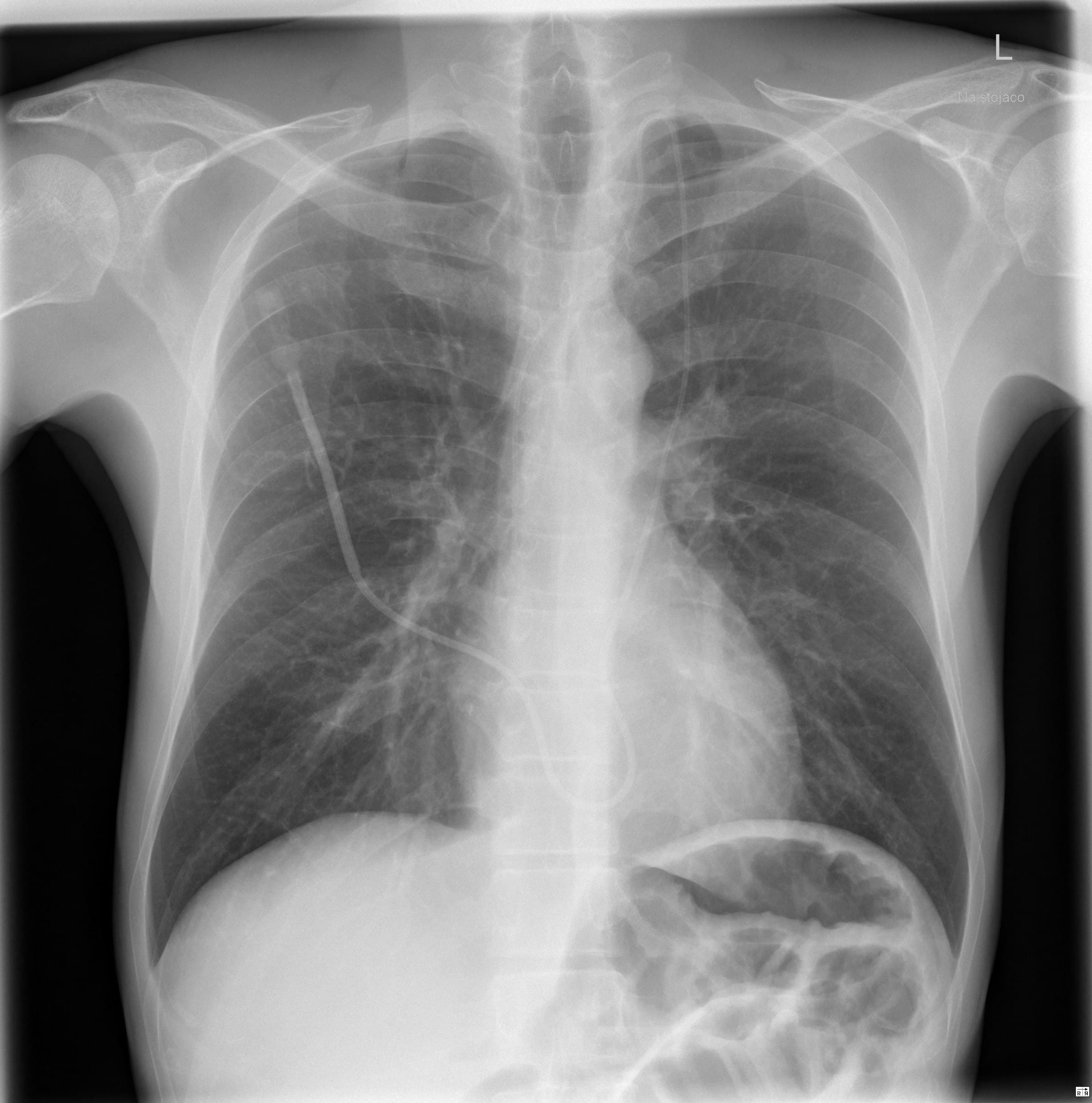

A cough depends on many factors, and its treatment can vary according to the specific causes involved. Treatment methods include:
- Medications. Cough medicines can help in several ways. Suppressants reduce your urge to cough. Expectorants thin mucus and make it easier to cough up. You can ask your doctor to recommend a cough medicine that is right for you.
- Home treatment for cough You can drink warm fluids, breathe in warm, moist air, and add a spoonful of honey to hot tea to soothe your throat.
- Avoid triggers. If you have allergies or asthma, remove allergens from your home. Keep your pets out of your bedroom. Use air conditioning to filter the air during pollen season. You won’t see the effects right away, but if you stay away from the things that bother you, you’ll start to feel better.
- Treatment under a doctor’s supervision: Coughs triggered by asthma, acid reflux, COPD, and other medical conditions need specific treatment. Don’t neglect them—consult your doctor.
- Time. Common viruses are the most likely cause. Sometimes a cough can last for weeks or even months after the virus is gone. Over time, your airways will heal and the cough will stop.
When Should You See a Doctor About a Cough?
Most lingering coughs are harmless. However, you can’t figure out the cause on your own. If your cough lasts more than 3 weeks, it’s time to see your doctor. Don’t wait 3 weeks; see your doctor as soon as possible if your cough is affecting your daily life and ability to work, or if it comes with any of the following symptoms:
- Difficulty breathing
- Chest pain
- Ongoing heartburn
- Coughing up blood or blood in your sputum
- High fever or night sweats
- Unexplained weight loss or sleep problems
The information on our website is not intended to direct individuals to any treatment. Do not take any diagnostic or treatment steps without consulting your doctor. The content does not contain information about İzmir Can Hastanesi's therapeutic healthcare services.