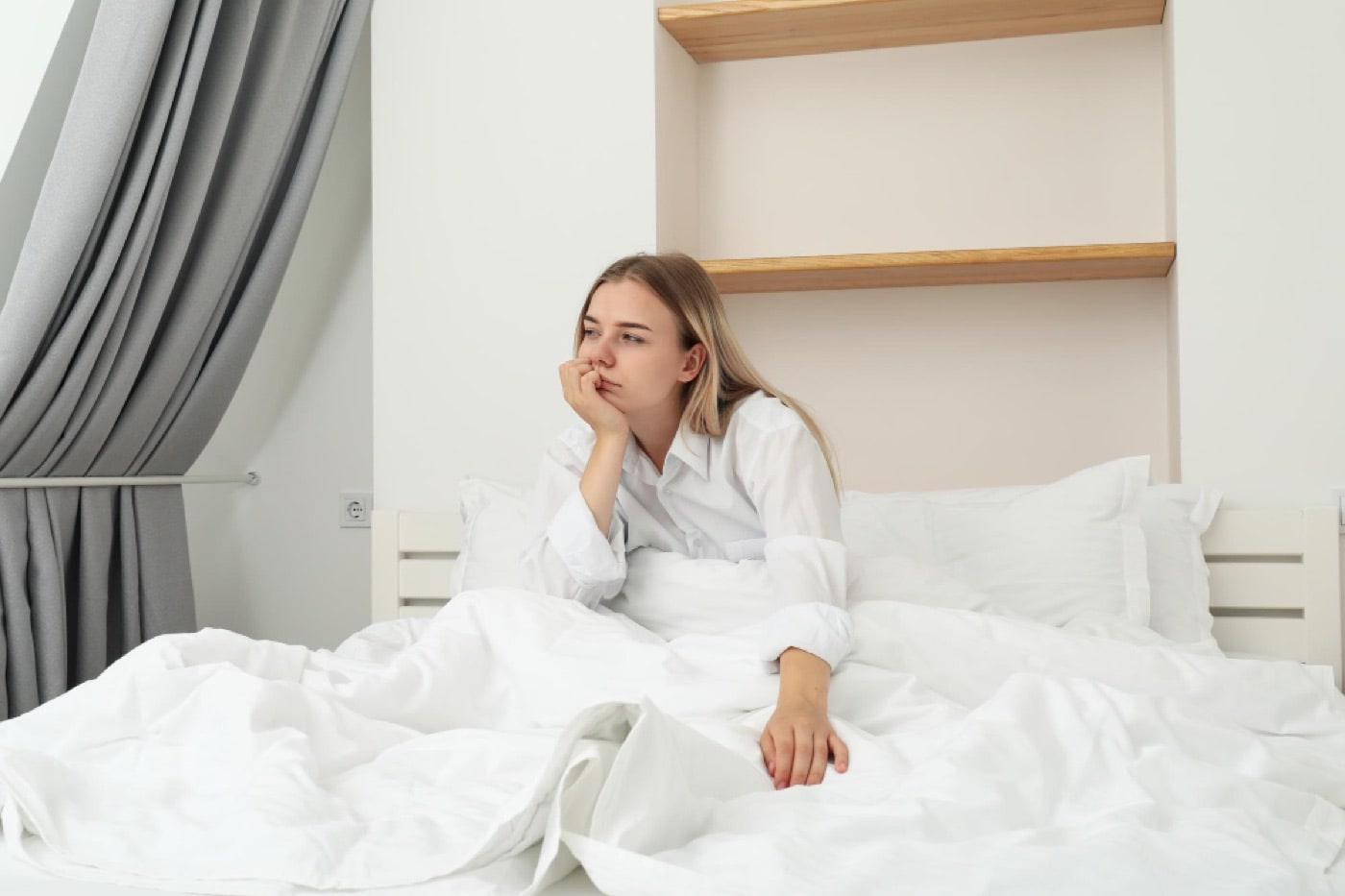
If you are short of breath, sleeping may sometimes not be as easy as you think. Finding a comfortable position at night can be especially difficult. Supporting your back or lying on your side while in bed can make breathing easier.
Why is it harder to breathe when lying down?
Many temporary or chronic health conditions can make breathing harder during sleep. These include:
- Respiratory infections such as the flu, the common cold, COVID-19 or RSV
- Allergies
- Pneumonia or mild pneumonia (walking pneumonia)
- Deviated nasal septum
- Sleep apnea
- Heart failure
- Lung conditions such as asthma, COPD, chronic cough or cystic fibrosis
In such cases, choosing the right sleeping position can help you breathe more comfortably throughout the night.
The best sleeping positions
Lying flat on your back usually makes breathing harder. Lying on your stomach, on the other hand, can cause neck and back pain. Most experts recommend that people with breathing problems sleep on their side or sleep with their head elevated.
Try sleeping on your side
Side sleeping is one of the best positions not only for people with shortness of breath but also for healthy sleep in general. It aligns the spine naturally and reduces strain on the neck and lower back. A small pillow placed between the knees provides a more comfortable posture.
Side sleeping is especially helpful for people with nasal congestion. Sleeping with the blocked nostril facing up can bring relief. For example, if your left nostril is blocked, you can lie on your right side.
Sleeping with the blocked nostril facing up can bring relief.
For people who snore or have sleep apnea, side sleeping also helps keep the airway open. It keeps the airway clearer by preventing the tongue and soft palate tissue from sliding back toward the throat.
Elevate your head
Lying flat can worsen shortness of breath, especially in people with heart or lung conditions. This is because, in this position, fluid that builds up in the lungs rises toward the neck area and pressure increases. Keeping your head up reduces this pressure.
To do this:
- You can place pillows or rolled towels under your head and neck.
- If your doctor approves, you can try sleeping in a semi-upright position in an armchair.
- You can use an adjustable bed.
Placing a pillow under your knees also provides good support to relieve your lower back.
Additional tips for breathing more easily
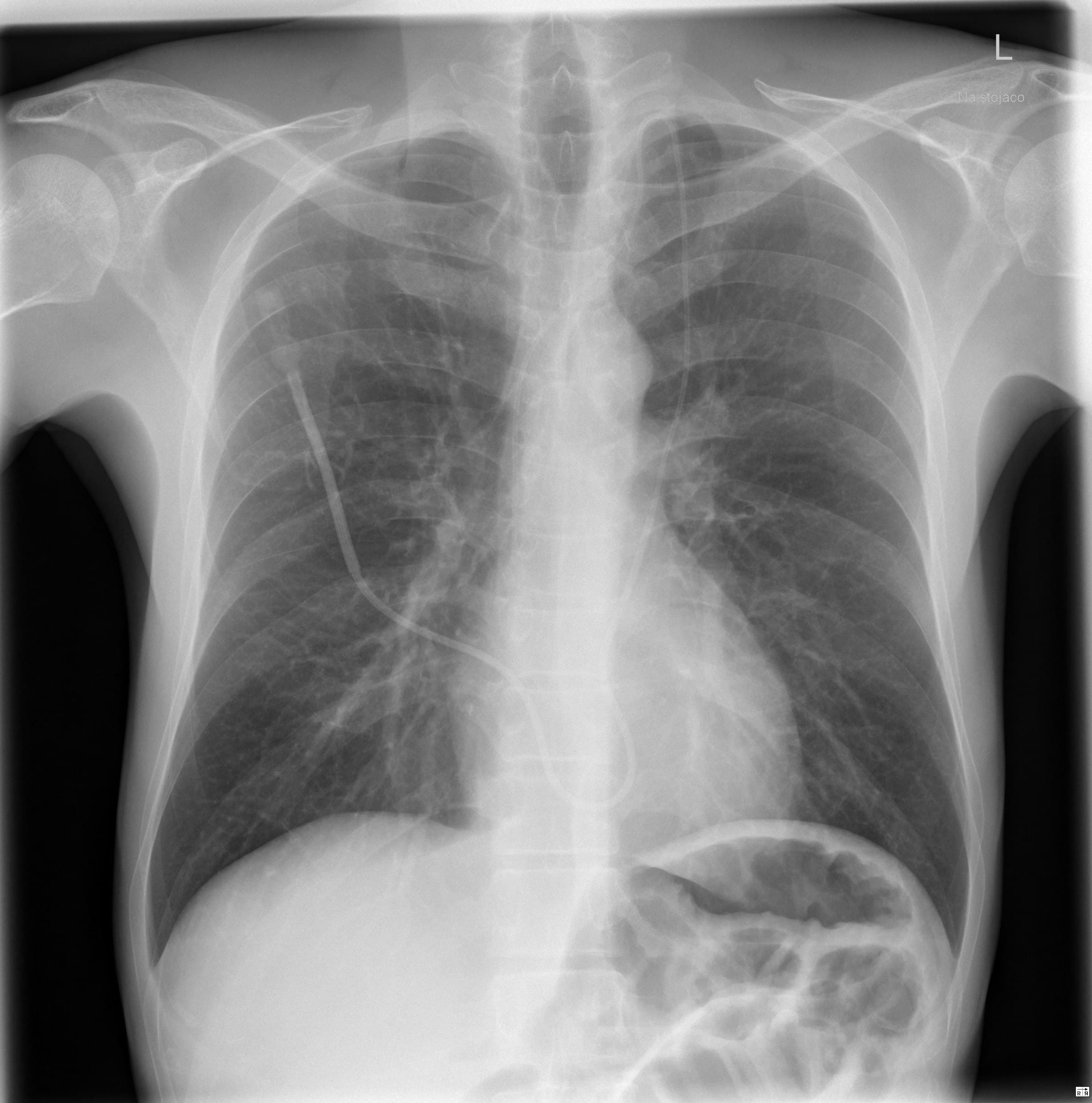

Shortness of breath can affect your quality of life not only when you lie down but also during the day. If you are experiencing this, be sure to see a doctor.
The following methods may also help:
- Breathing exercises: You can try diaphragmatic breathing and pursed-lip breathing techniques.
- Sitting position: When sitting in a chair, keep your feet flat on the floor, lean slightly forward and rest your elbows on your knees. Try to relax your neck and shoulders.
- Supported standing: Lean forward, resting your hands or elbows on a surface slightly below shoulder height. Rest your head on your arms to relax your shoulder and neck muscles.
If you still have shortness of breath despite these routine measures, we recommend that you seek an expert opinion.
The information on our website is not intended to direct individuals to any treatment. Do not take any diagnostic or treatment steps without consulting your doctor. The content does not contain information about İzmir Can Hastanesi's therapeutic healthcare services.