Lymphedema is swelling caused by a buildup of too much lymph fluid. It usually affects your arms and legs, but it can also occur in other parts of your body. This swelling can cause pain in the affected area and limit movement. Lymph is a protein-rich fluid that circulates through the lymph vessels in your body. It collects things such as bacteria, viruses and waste and carries them to your lymph nodes. Your lymph nodes then filter the fluid, clearing impurities from your body. Lymphedema can occur for several different reasons . Although there is no cure, treatments are available that reduce the swelling, helping you feel better and move more easily.
What Causes Lymphedema?
When your lymphatic system is damaged or blocked, fluid can build up in the soft tissue under your skin. This can happen for no known reason or because you have a genetic defect. More commonly, however, it is the result of damage caused by things such as:
- Injury
- Infection
- A tumor
- Parasites
- Scar tissue from surgery
- Heart disease
- Kidney disease
- Vascular (blood vessel) disease
- Obesity, which puts extra pressure on your lymphatic system
- Inactivity, which affects the circulation of lymph fluid in your leg muscles
How Does Cancer Affect Lymphedema?
Cancer can damage your lymphatic system in several ways. A cancerous tumor can physically block lymph fluid from draining properly. A buildup of extra white blood cells caused by leukemia can lead to lymph damage. Radiation therapy for cancer, or surgery to remove lymph nodes, which may be done to see whether the cancer has spread, can have the same effect. It can take months or years for lymphedema to appear after cancer treatment.
Cancers that form near lymph nodes and vessels, such as in the abdomen, breast or genital area, are more likely to lead to lymphedema.
What Are the Types of Lymphedema?
There are two types of lymphedema:
Primary lymphedema. This type is much less common, affecting only 1 in every 100,000 people in the US. It is a genetic problem that occurs because your lymph nodes or vessels have not developed properly or are missing altogether. Symptoms of primary lymphedema can begin in infancy, childhood, adolescence or adulthood.
Secondary lymphedema. This type is caused by another condition or disease that damages your lymph vessels or nodes. It most often affects people who have been treated for breast cancer. It affects about 1 in every 1,000 people in the US.
Scrotal lymphedema: This is a rare type of lymphedema that affects the scrotum. It is sometimes called genital lymphedema, but genital lymphedema can also affect the penis and pelvis, and the labia in people with female anatomy . Scrotal lymphedema can be primary or secondary. Most often, however, it is caused by an infection, or by cancer or its treatment. If left untreated, it can be disabling.
What Are the Symptoms of Lymphedema?
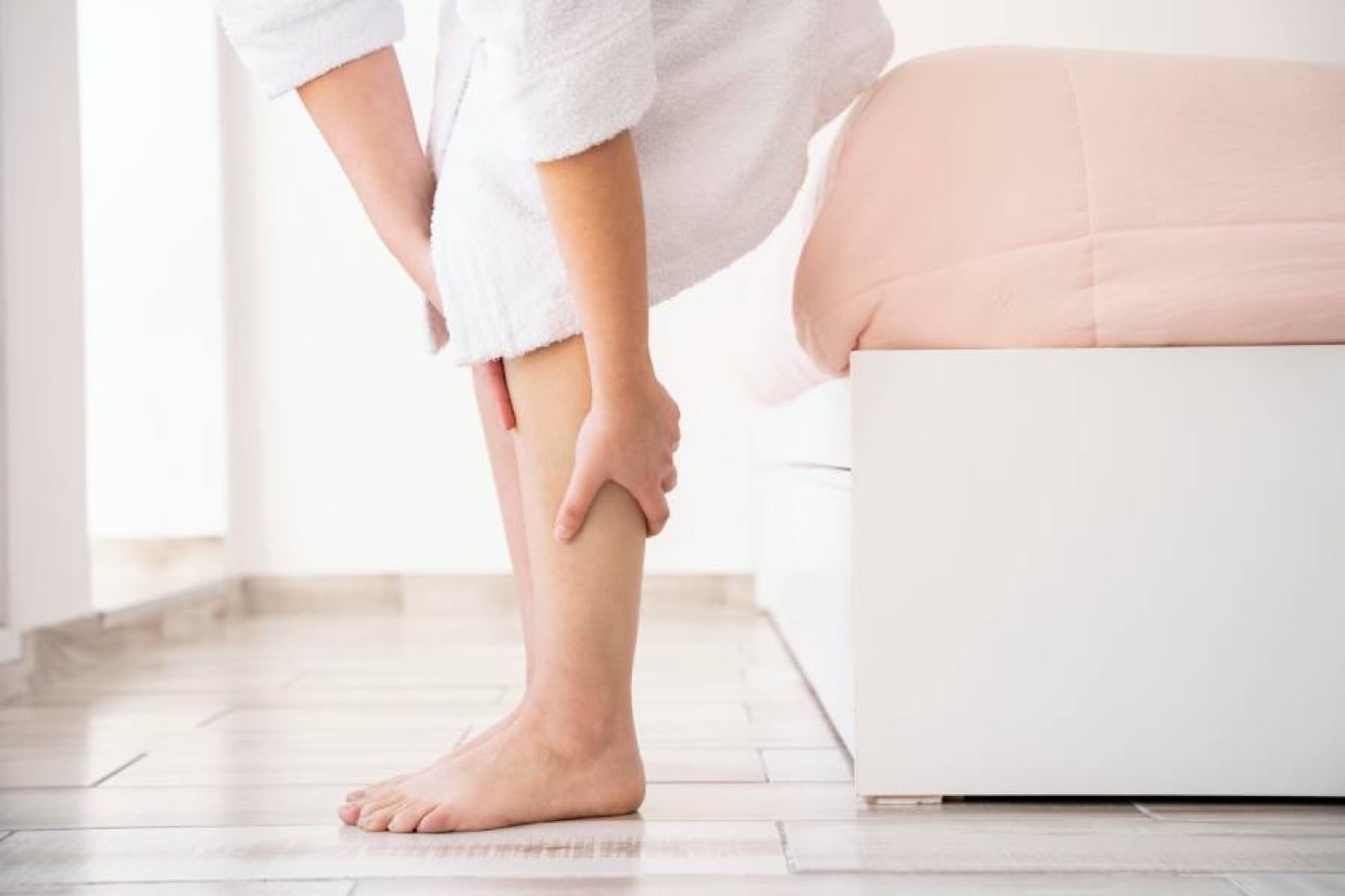
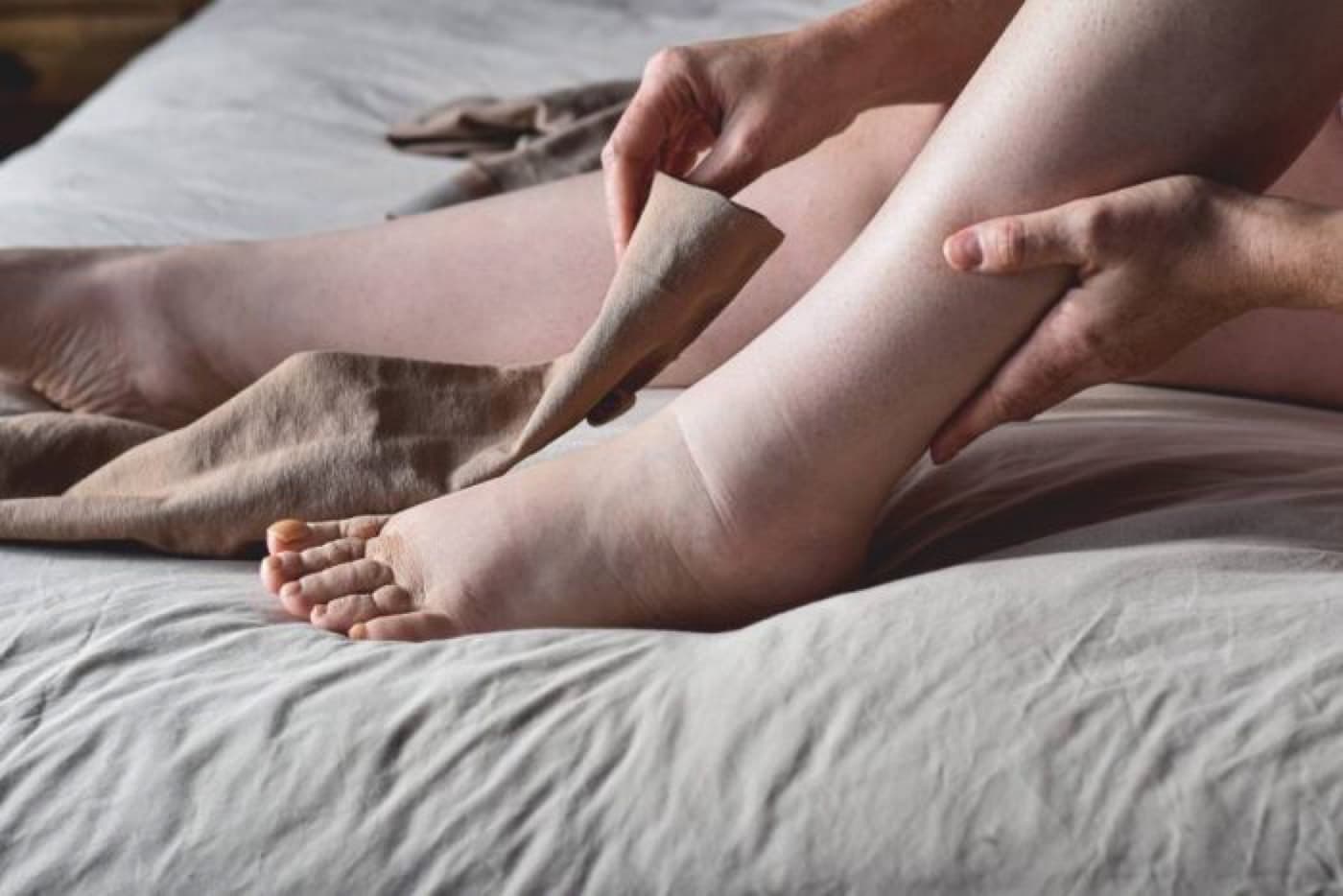
The most common symptom of lymphedema is swelling in one or both arms or legs. This swelling, which can extend to the fingers or toes, usually develops gradually over time. Sometimes, however, it happens suddenly. At first, the swelling is soft and fluid. Over time it can become denser and more fibrous, giving your skin a grainy appearance. Other symptoms of lymphedema may include:
This swelling, which can extend to the fingers or toes, usually develops gradually over time.
- Clothing and jewelry that feel too tight
- Skin that looks red, swollen or thick and may feel hard
- Arms or legs that appear to be different sizes
- Pain, heaviness or limited movement in the affected limb
- Stiff joints
- Veins and tendons in your hands or feet that are no longer visible
- Recurrent infections
What Are the Stages of Lymphedema?
Lymphedema is divided into stages according to its severity:
- Stage 0. The area with lymphedema may feel tight or heavy but does not look swollen. Some people have no symptoms at this stage.
- Stage I. There is sometimes swelling and a feeling of heaviness in the affected area. When you press on it, a temporary dent remains in your skin. You may get relief by resting or by supporting the affected arm or leg.
- Stage II. The part of your body with lymphedema looks swollen most of the time and feels harder than the surrounding area. When you press on it, no dent forms. Resting and supporting the limb do not help.
- Stage III. The affected area looks very swollen and the skin there feels thick and hard. You may lose some of your ability to move.

How Is Lymphedema Treated?
Your treatment for lymphedema will depend on what is causing it and how severe it is. It usually involves techniques such as physical therapy, compression garments and bandages, which aim to physically move lymph fluid away from the swollen area. Physical therapists who have been specially trained in lymphedema can tell you about these treatments.
Treatments may include:
Compression garments. These tight fabric sleeves or stockings put pressure on the affected limb to help lymph fluid circulate.
Bandages. When wrapped exactly right, they help push lymph fluid toward the trunk of your body. You can also wear them to help prevent excess lymph fluid from flowing back into your affected limb.
Lymphedema massage. This type of gentle massage moves fluid from swollen areas to other parts of the body, where healthy lymph vessels can carry the fluid away. You can learn how to use these massage techniques on yourself. You may have heard it called manual lymphatic drainage .
Lymphedema pump. A compression sleeve is attached to a pump that applies and releases pressure on your arm or leg on a timed schedule to move lymph fluid out.
Lymphedema exercise. You gently stretch the muscles in the affected area to support lymph drainage and strengthen the affected limb.
Medications. If your lymphedema is caused by an infection, your doctor may prescribe antibiotics. They may also prescribe pain relievers.
Lymphedema surgery
If you have advanced lymphedema and other treatments have not worked, your doctor may recommend one of the following procedures:
Lymphatic bypass. A surgeon creates connections between your lymphatic system and your blood vessels so that lymph fluid can flow into your vascular system.
Lymph node transfer. Your surgeon transfers healthy lymph nodes from another part of your body to the area affected by lymphedema.
Removal of fibrous tissue. If you have hardened skin that restricts your movement, your doctor may remove this fibrous tissue with liposuction or surgery.
For your lymphedema complaints, you can plan your treatment by making an appointment with our internal medicine clinic.
References:
The information on our website is not intended to direct individuals to any treatment. Do not take any diagnostic or treatment steps without consulting your doctor. The content does not contain information about İzmir Can Hastanesi's therapeutic healthcare services.