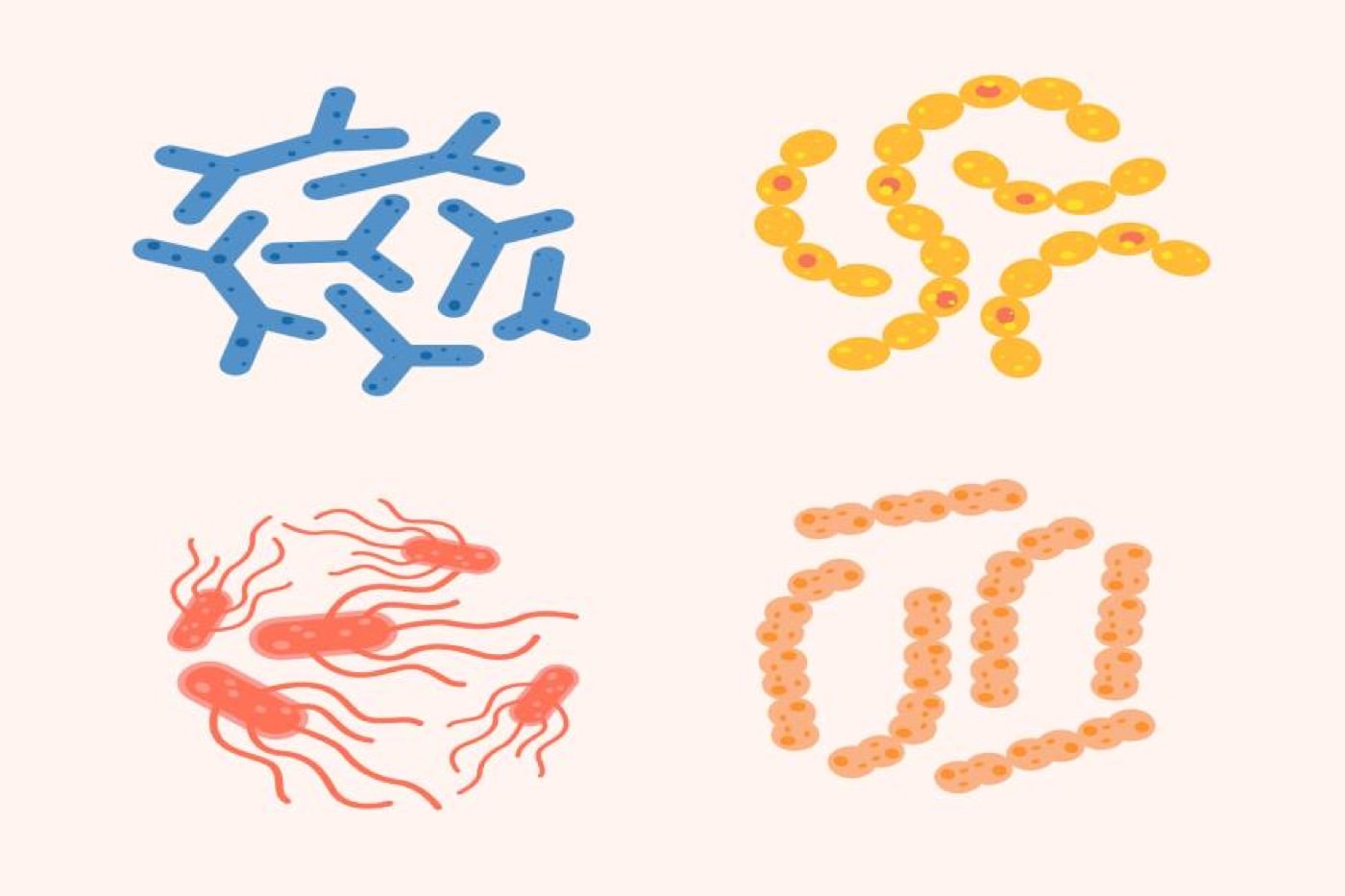
Probiotics are live microorganisms (for example, bacteria) that are the same as or similar to microorganisms found naturally in the human body and that may be beneficial to health. If you picture the human body as a “host” for bacteria and other microorganisms, you can gain a better understanding of probiotics. The body, especially the lower gastrointestinal tract (the gut), contains a complex and diverse community of bacteria. Although we tend to think of bacteria as harmful “germs,” many bacteria actually help the body function properly.
Probiotics are available to consumers in oral products such as dietary supplements and yogurts, as well as in other products such as suppositories and creams.
What Do Probiotics Do?
Probiotics are “live microbial food ingredients that provide health benefits to the consumer when taken in adequate amounts.” Probiotics deliver their benefits through several mechanisms: they prevent the colonization, cellular adhesion, and invasion of pathogenic organisms, have direct antimicrobial activity, and modulate the host immune response. The strongest evidence for the clinical effectiveness of probiotics comes from their use in preventing the symptoms of lactose intolerance, treating acute diarrhea, relieving antibiotic-associated gastrointestinal side effects, and preventing and treating allergy symptoms.
More research is needed to clarify conflicting findings on the use of probiotics to prevent traveler's diarrhea, infections in children in daycare, and tooth decay, and to eliminate nasal colonization with potentially pathogenic bacteria. Promising ongoing research is being conducted on the use of probiotics to treat Clostridium difficile colitis, treat Helicobacter pylori infection, treat inflammatory bowel disease and prevent relapse, treat irritable bowel syndrome, treat intestinal inflammation in patients with cystic fibrosis, and prevent necrotizing enterocolitis in premature infants. Finally, future areas of research include the use of probiotics to treat rheumatoid arthritis, prevent cancer, and treat graft-versus-host disease in bone marrow transplant recipients.
When Are Probiotics Recommended?
If you have signs of dysbiosis in your digestive system or elsewhere, your healthcare provider may recommend probiotics to help bring your microbiome back into balance. If you have recently had an illness or treatment that weakened your microbiome, your healthcare provider may recommend probiotics to help you rebuild it. For example, they may suggest taking or using probiotics after you finish a course of antibiotics.
Some people take a daily probiotic supplement to maintain their overall health. You may want to do this if you are prone to gut health problems and notice that it helps. A healthy gut microbiome can boost your overall immunity, reduce inflammation, and help keep your bowels regular. Everyday things such as stress and food choices can deplete your gut microbiome, and probiotics are one way to help restore it.
Everyday things such as stress and food choices can deplete your gut microbiome, and probiotics are one way to help restore it.
Are There Any Risks or Side Effects of Taking Probiotics?
Although there is very little specific research on the safety of probiotics, they appear to be safe for healthy people to take. They have a long history of widespread, regular use among the public. People with weakened immune systems have a small risk of adverse side effects. This includes people taking immunosuppressive drugs, people with critical illnesses, and premature babies.
The risk is that a probiotic product may contain a harmful strain of microbe along with the beneficial ones. Microbes are very small, so if a product is not rigorously tested, it is possible for the wrong strain to slip under the radar. This is rare and is not a serious risk for most people. A healthy immune system easily clears out the impostor. However, in a weakened immune system it could cause a serious infection.
What Is the Best Way to Take Probiotics?

You can take probiotics as dietary supplements or get them from fermented foods and drinks. Both methods have benefits. In general, food and drink sources can help encourage a greater variety of microbes in your biome, which is good for maintaining your overall health. Some food sources may also contain prebiotics, the fibers that probiotics need to feed on to thrive.
If you want to treat a specific problem, you may want to take a specific probiotic supplement that your healthcare provider recommends for that purpose. A supplement will usually provide a higher dose of probiotics than food sources. Take it as recommended on the label. Some probiotics work better with food, while others work better on an empty stomach. Most need to be taken daily for best results.
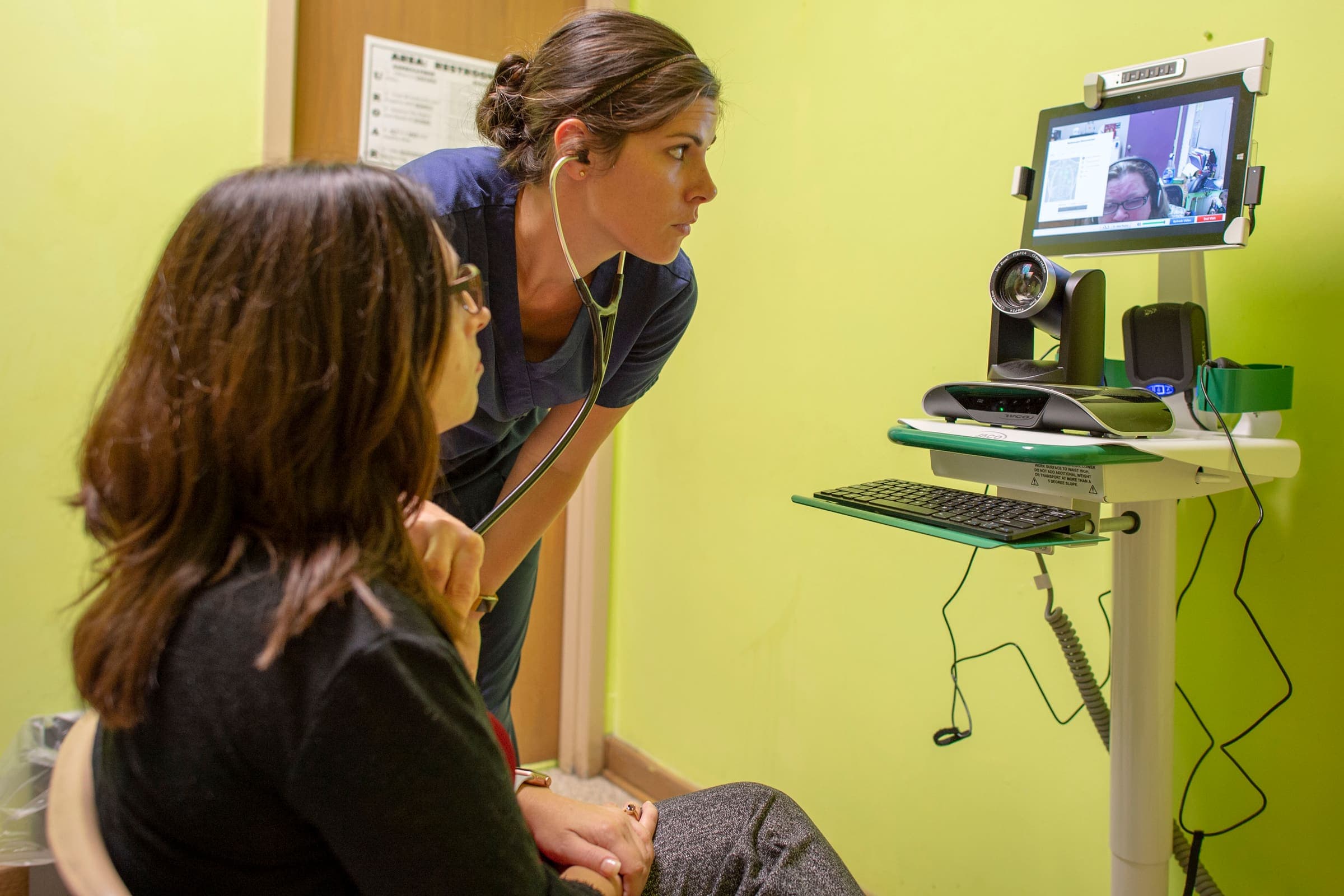
If you are considering a probiotic dietary supplement, talk to your healthcare provider first. Do not replace scientifically proven treatments with unproven products or practices.
The information on our website is not intended to direct individuals to any treatment. Do not take any diagnostic or treatment steps without consulting your doctor. The content does not contain information about İzmir Can Hastanesi's therapeutic healthcare services.