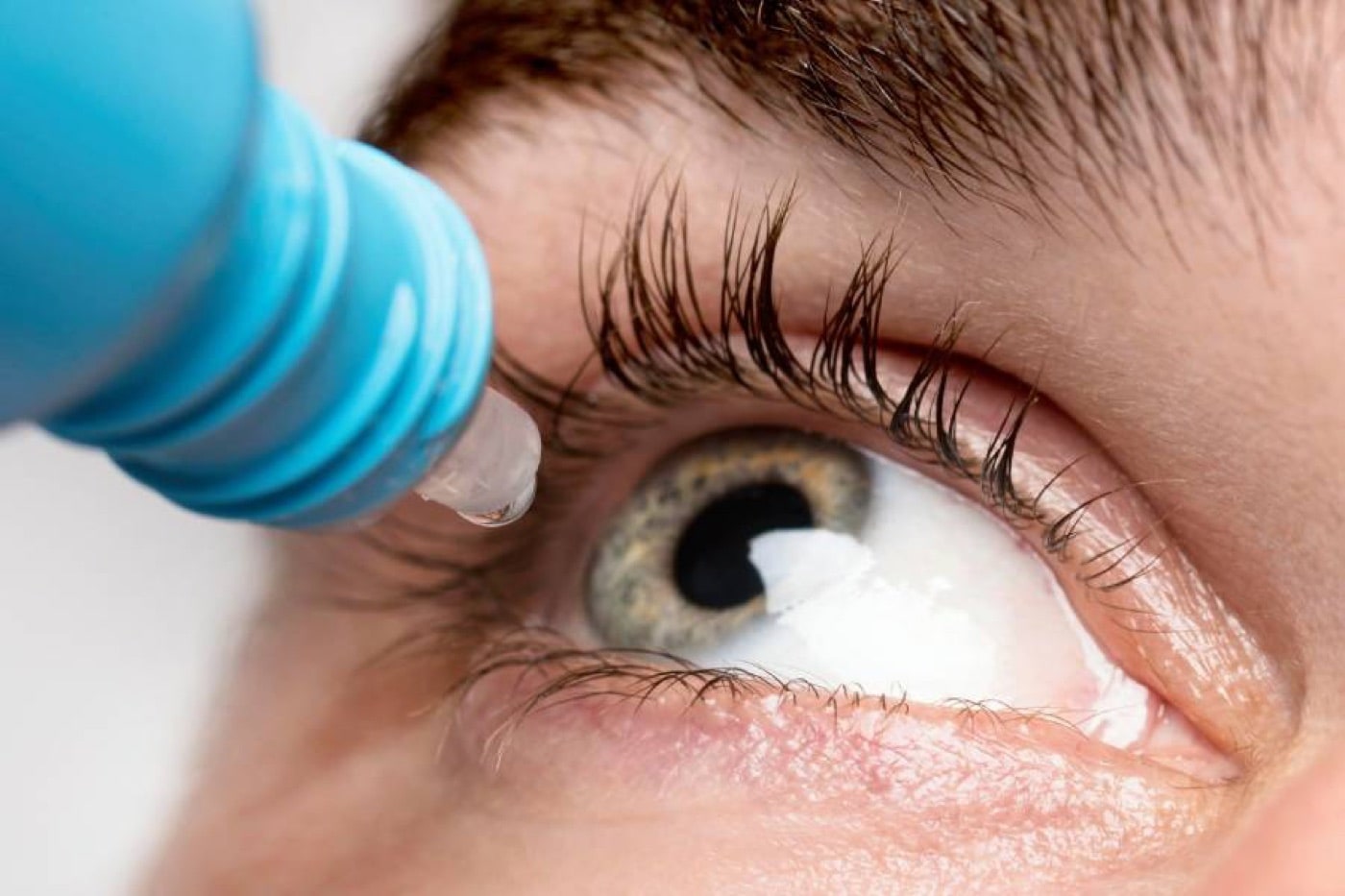
Conjunctivitis is one of the most common and treatable eye conditions in children and adults. Often called “pink eye,” it is an inflammation of the conjunctiva, the tissue that lines the inside of the eyelid and covers the white of the eyeball and helps keep the eyelid and eyeball moist.
Viruses, bacteria, irritants (shampoo, dirt, smoke, pool chlorine), or allergens (substances that cause allergies) can cause conjunctivitis. Pink eye caused by bacteria or viruses can spread easily from person to person, but it is not a serious health risk if diagnosed promptly; allergic conjunctivitis is not contagious.
It is important to find out whether your pink eye is caused by allergies or an infection, because each condition has different treatments.
What Are the Symptoms of Allergic Pink Eye?
Allergic conjunctivitis is a type of inflammation that occurs when the eyes are exposed to allergens (such as pollen, dust, or pet dander). Caused by allergic reactions, this condition usually affects both eyes at once and shows up with symptoms such as itching, redness, and watering of the eyes. This reaction of the eyes to allergens can be brought under control with appropriate treatment and measures to avoid allergens.
The symptoms of allergic eye inflammation include:
- Redness in the white of the eye or the inner eyelid
- Increased tearing
- Itchy eyes and nose
- Blurred vision
- Sneezing
- Swelling of the eyelids
In allergic conjunctivitis, these symptoms usually affect both eyes (though not always to the same degree). If you have any of these persistent symptoms, see your ophthalmologist (a doctor and surgeon trained to treat eye diseases), an optometrist (a doctor trained to treat eye diseases), or your family doctor.
How Is Allergic Pink Eye Treated?
Allergy-related pink eye may go away completely when the allergy is treated with antihistamines or the allergen is removed. That is why the first step of treatment is removing the allergen. This may include things like wearing a hat outdoors and washing your face often during allergy season. Your doctor may also recommend one or more of the following:
Immunotherapy: Allergy shots can be effective in treating pink eye caused by allergies. Oral tablets containing the same extracts as the shots are also available.
Ocular (topical) decongestants: These medications reduce redness by narrowing the small blood vessels in the eye. They are not recommended for long-term use. Using these drops for more than a few days can actually make symptoms worse.
Ocular (topical) decongestants: These medications reduce redness by narrowing the small blood vessels in the eye.
Ocular (topical) antihistamines: These medications reduce redness, swelling, and itching by blocking the effects of histamine, the chemical that causes these allergy symptoms. They are available both over the counter and by prescription.
Ocular (topical) lubricants: People with allergic conjunctivitis often do not produce enough tears, which makes symptoms worse. Lubricating drops can be used every hour as needed.
Ocular (topical) steroids: If other medications do not work, your doctor may prescribe steroid eye drops to relieve conjunctivitis symptoms. These should be used under your doctor's supervision, because they can cause high pressure inside the eye, which can lead to vision damage. Your doctor should also check for viral eye infections such as herpes before ocular steroids are used. These drops can also increase the risk of cataracts, a clouding of the eye's lens that can impair vision.
Ocular (topical) mast cell stabilizers (for example, cromolyn): This medication works by preventing special cells from releasing histamine. It works best when started before symptoms appear.
Systemic (oral) versions of the medications above: These are used in severe cases.
How Can I Relieve the Symptoms of Allergic Pink Eye?
To relieve the symptoms of allergic eye inflammation:
- If you wear contact lenses, take them out.
- Apply cold compresses to your eyes.
- Try over-the-counter “artificial tears,” a type of eye drop that may help relieve itching and burning (note: other types of eye drops may irritate the eyes and should not be used). Do not use the same bottle of drops in your other eye if it is not affected.
The best defense against allergic pink eye is a good offense: try to avoid the substances that trigger your allergies. An allergist can perform tests to identify what your specific triggers may be.
For example, there is no direct harm in a person with allergic conjunctivitis drinking coffee. However, coffee and caffeinated drinks may increase allergy symptoms in some individuals because of their stimulating effect on the body. Caffeine in particular can raise stress hormones (such as adrenaline) in the body, which can make the body's response to allergens more pronounced.
Everyone's allergic reactions can be different, so if coffee or other caffeinated drinks affect your allergy symptoms, it is best to stay away from them. In general, drinking plenty of water and adopting a healthy lifestyle can help relieve the symptoms of allergic conjunctivitis. If you notice your symptoms increase after drinking coffee, it may be a good idea to talk to a doctor about it.
- Do not touch or rub the affected eye(s).
- Wash your hands often with soap and warm water.
- Wash your bed sheets, pillowcases, and towels in hot water and detergent to reduce allergens.
- Avoid wearing eye makeup.
- Do not share your eye makeup with anyone.
- Never wear someone else's contact lenses.
- Wear glasses instead of contact lenses to reduce irritation.
- Wash your hands before applying eye drops or ointment to your eye or your child's eye.
- Do not put eye drops used in an infected eye into an uninfected eye.
The information on our website is not intended to direct individuals to any treatment. Do not take any diagnostic or treatment steps without consulting your doctor. The content does not contain information about İzmir Can Hastanesi's therapeutic healthcare services.