
One of the most common uncertainties about cataracts and cataract surgery is deciding when the right time for surgery is. Patients often wonder how they will know their cataracts are ready to be removed; others worry about whether it is possible to wait too long to have a cataract removed. The simplest answer is this: The right time for surgery is when your cataract starts to affect your quality of life and glasses and/or contact lenses no longer meet your vision needs.
What Are the Physical Signs of Cataracts?
Of course, there are also physical signs that the doctors at the İzmir Can Hastanesi Eye Clinic assess during your cataract examination. These include the density of your cataract as well as the results of your vision tests. They will also check your refraction to determine whether stronger glasses could correct your vision complaints. If a patient's vision can be corrected satisfactorily with a new glasses prescription, surgery is probably not necessary. However, all of this is only one part of the equation.
In many other types of surgery, doctors and surgeons evaluate the patient's test results and make a definitive decision on whether a procedure is necessary. Cataract surgery is different, because the way patients experience their own vision can be an important factor in determining when it is time for surgery. At Can Hastanesi, we tell our patients that it is time for surgery when cataract symptoms begin to interfere with your work, your hobbies and your overall quality of life, and when glasses and/or contact lenses no longer meet your vision needs. These symptoms include glare from headlights and streetlights when driving at night, and blurred vision that affects your ability to enjoy hobbies such as reading, sewing, cooking and watching television.
Is It Ever Too Early for Cataract Surgery?
So is there such a thing as being too early or too late for cataract surgery? Not exactly. While cataracts can be removed at any stage of development, your insurance will only cover the procedure once the cataracts begin to affect the patient's life as described above. On the other hand, while cataract surgery does not pose a direct threat to the patient's health, cataracts that are allowed to become overly dense, or “mature,” can be more difficult to remove. This makes the procedure take longer and puts more strain on the eye than usual. The real risk of postponing cataract surgery, however, is to your quality of life. Many of our patients tell us that their only regret is waiting so long to have cataract surgery.
If your vision has started to affect your ability to enjoy life as you used to, we recommend that you see your doctor for a cataract evaluation.
If your vision has started to affect your ability to enjoy life as you used to, we recommend that you see your doctor for a cataract evaluation.
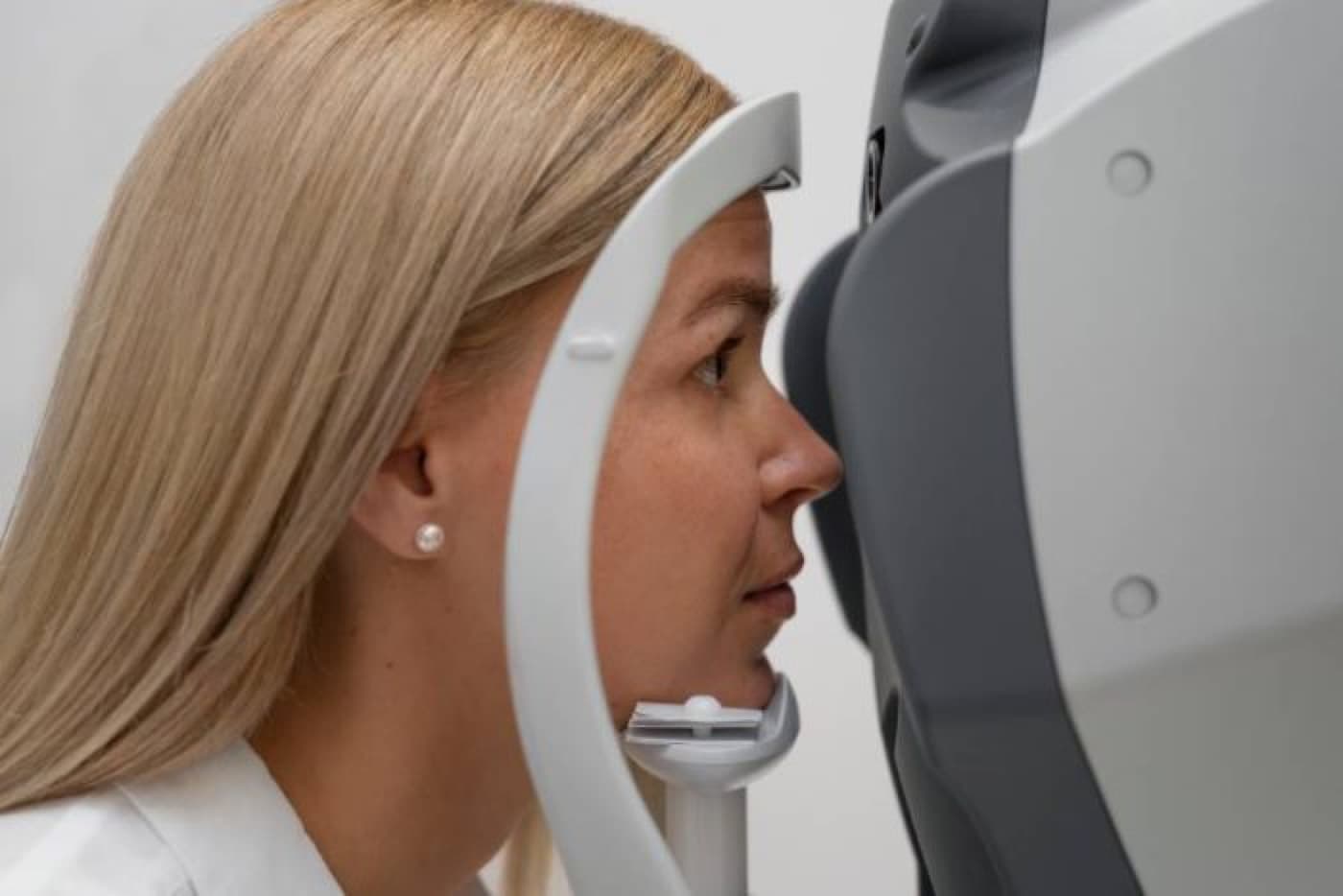

Who Should Have Cataract Surgery?
Having a cataract does not necessarily mean you need surgery right away. At first, you may not notice any change in your vision. Some people with this condition see perfectly well when they wear prescription glasses, use a magnifying glass or rely on brighter lighting.
As the cataract grows, however, your vision will get worse. You may start to notice the following:
- Your contact lens or glasses prescription needs to change frequently.
- Your vision is blurry, hazy or dim.
- If you have difficulty seeing clearly at night, driving becomes less safe.
- Colors look faded.
- The affected eye or eyes become more sensitive to light.
- You have double vision in the affected eye (this may go away as the cataract grows).
- Halos appear around lights.
Sometimes you may need surgery even if your cataract is not affecting your vision. Your doctor may recommend it if the cataract is large enough to block the inside of the eye and could raise the pressure in the eye. Your cataracts may also need to be removed so that your eye doctor can examine the back of your eye. This allows your doctor to manage other eye conditions such as diabetic retinopathy or age-related macular degeneration.
The expected time for full recovery is 4 to 8 weeks. Your eye doctor will give you the best estimate based on your condition.
The information on our website is not intended to direct individuals to any treatment. Do not take any diagnostic or treatment steps without consulting your doctor. The content does not contain information about İzmir Can Hastanesi's therapeutic healthcare services.