

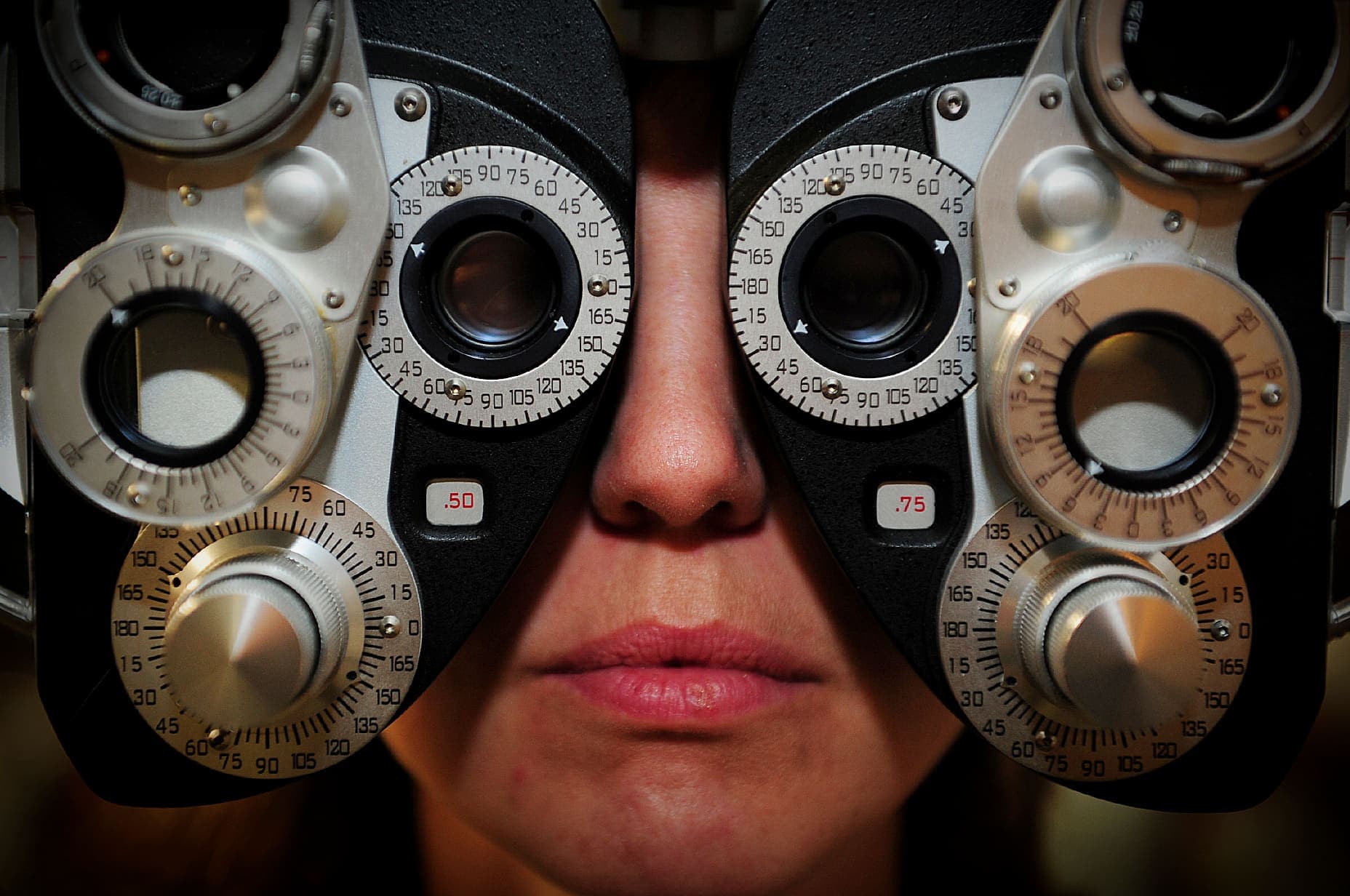
Ophthalmology
Our ophthalmology page offers detailed information on eye health and eye diseases, with tips for protecting your eyes and an overview of treatment options.
Among our sensory organs, our eyes connect us to life and let us see all the beauty of the world; they are one of our most important organs. From childhood to old age, many diseases can threaten our eyes due to genetic, systemic and all kinds of external factors. Early diagnosis and treatment are extremely important in eye diseases. For this reason, we should have our eyes checked regularly and thoroughly, even if we have no complaints. Let us also remember that a comprehensive eye examination can detect not only eye diseases but also many other vital conditions such as diabetes and heart disease at an early stage. This allows us to take precautions before they lead to serious health problems.
Eye examinations are recommended for children especially at ages 1, 3 and 5, and once a year for adults.
Why Should You Care About Your Eye Health?
Eye health is one of the most important factors directly affecting your quality of life. Your eyes are your window to the world, and keeping them healthy lets you experience life more clearly and vividly. Our team specializing in eye health and eye diseases is here to provide you with the best treatment and care. Your vision can change over time, and eye diseases can progress unnoticed. With early diagnosis and the right treatment, you can protect your eye health and prevent vision loss.
Here are some reasons to pay attention to your eye health:
✅ Everyday comfort: Clear vision makes everything easier, from driving to reading.
✅ Work performance: For those who spend long hours at a computer, healthy eyes improve focus and productivity.
✅ Preventing headaches and eye strain: Eye examinations detect hidden vision problems and help prevent such complaints.
✅ Early diagnosis of eye diseases: Diseases such as cataract, glaucoma and macular degeneration can be treated more effectively when diagnosed early.
At our hospital's Ophthalmology Clinic, your eye examination, all necessary tests and all eye surgeries except corneal transplantation are successfully performed by physicians who are specialists in their fields, with fully equipped, state-of-the-art devices meeting international standards.
What Are the Most Common Eye Diseases?
The most common eye diseases are:
1. Myopia (Nearsightedness)
- Classified as one of the refractive errors.
- Near objects are seen clearly while distant objects appear blurry.
- It is usually associated with genetic factors and environmental factors such as prolonged screen use.
2. Hyperopia (Farsightedness)
- Distant objects can be seen clearly while near objects appear blurry.
- It may be noticeable in childhood and may improve or worsen with age.
3. Astigmatism
- Because the cornea or lens of the eye is irregularly curved, vision is blurry at both near and far distances.
- It can often cause headaches and eye strain.
4. Presbyopia (Age-Related Difficulty Seeing Up Close)
- Difficulty seeing up close that usually appears at age 40 and beyond.
- It develops as the lens of the eye loses its flexibility.
5. Cataract
- A cataract occurs when the lens of the eye loses its transparency, causing blurred vision.
- It may be associated with factors such as aging, diabetes and prolonged sun exposure.
- It is usually treated with surgery.
6. Glaucoma (Elevated Eye Pressure)
- A disease in which increased pressure inside the eye damages the optic nerve.
- It can progress without symptoms and, if left untreated, may lead to permanent vision loss.
7. Retinal Diseases
- Diabetic Retinopathy: Damage to the retina caused by diabetes; it can lead to vision loss.
- Retinal Detachment: Occurs when the retinal layer separates from its position and requires emergency treatment.
- Macular Degeneration (Age-Related Macular Disease): An age-related disease that causes loss of central vision.
8. Dry Eye Syndrome
- Insufficient tear production or poor tear quality causes dryness, burning and a gritty, stinging sensation in the eyes.
- Factors such as prolonged screen use, air conditioning and wind can contribute.
9. Conjunctivitis (Pink Eye)
- Infection or inflammation of the membrane that covers the white part of the eye and the inside of the eyelids.
- It can have viral, bacterial or allergic causes.
10. Strabismus (Crossed Eyes)
- When the eye muscles do not work in coordination, the eyes look in different directions at the same time.
- It can appear in childhood and, if left untreated, may lead to lazy eye (amblyopia).
When symptoms of these diseases are noticed, it is important to see an eye doctor for early diagnosis.
Treatments and Topics in This Department
- Diabetic Retinopathy Treatment
- Excimer Laser
- Femtosecond Laser Cataract Surgery
- Comprehensive Eye Examination
- Glaucoma (Eye Pressure)
- Phakic Intraocular Lens Treatment
- Eyelid Disorders
- Eyelid Aesthetics
- Lazy Eye (Amblyopia)
- Flashes of Light in the Eye
- Keratoconus (Corneal Thinning)
- Contact Lenses
- Refractive Errors – Astigmatism, Myopia, Hyperopia
- Retinal Detachment and Retinal Tears
- Strabismus (Crossed Eyes) Treatment
- Vitrectomy
Doctors in This Department


Health Guide for This Department
May 6, 2025
Which Eye Conditions Are Smart Lenses Used For?
Read Full Article
Apr 21, 2025
How Is Swelling After Cataract Surgery Treated?
Read Full Article
Mar 17, 2025
What Causes Cataracts?
Read Full Article
Mar 14, 2025
How Is Smart Lens Surgery Performed?
Read Full Article
Mar 10, 2025
What Is Astigmatism?
Read Full Article
Feb 21, 2025
How Is Cataract Surgery Performed?
Read Full Article
Feb 10, 2025
What Are the Signs of Infection After Cataract Surgery?
Read Full Article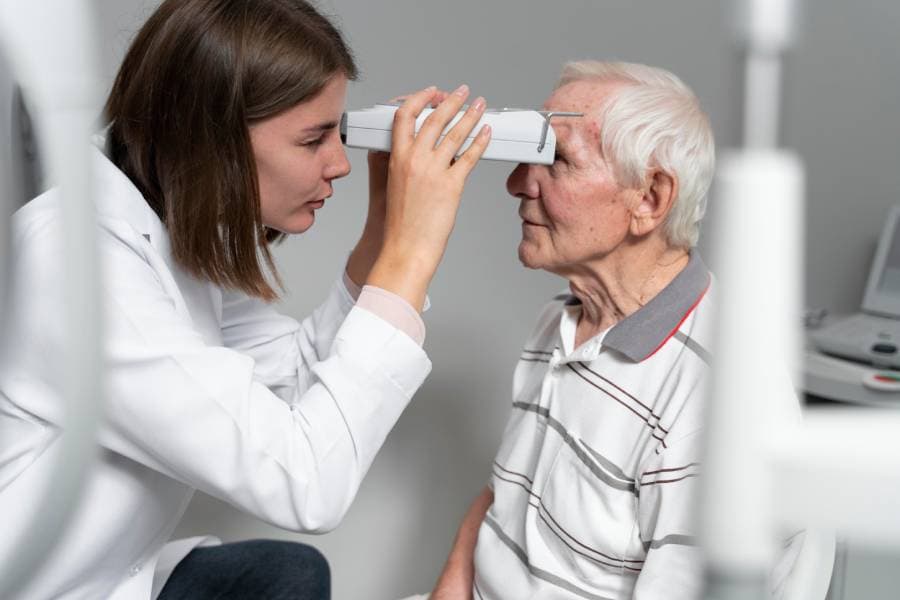
Jan 23, 2025
At What Age Does Cataract Begin?
Read Full Article
Jan 15, 2025
How to Read an Eyeglass Prescription
Read Full ArticleDepartment Videos
Can Hastanesi Hotline
+90 (232) 715 40 00