This condition, popularly known as “corneal thinning,” results from the thinning and forward bulging of the transparent cornea at the front of the eye, which is normally expected to be round like a ping-pong ball with all diameters equal. Although its exact cause is not known, factors such as genetic predisposition, frequent eye rubbing, exposure to UV rays and contact lenses that do not fit the eye properly are held responsible. Initially, symptoms take the form of distorted and blurred vision, which is why glasses are often prescribed with a diagnosis of myopia and astigmatism. As it progresses, the visual impairment increases further.
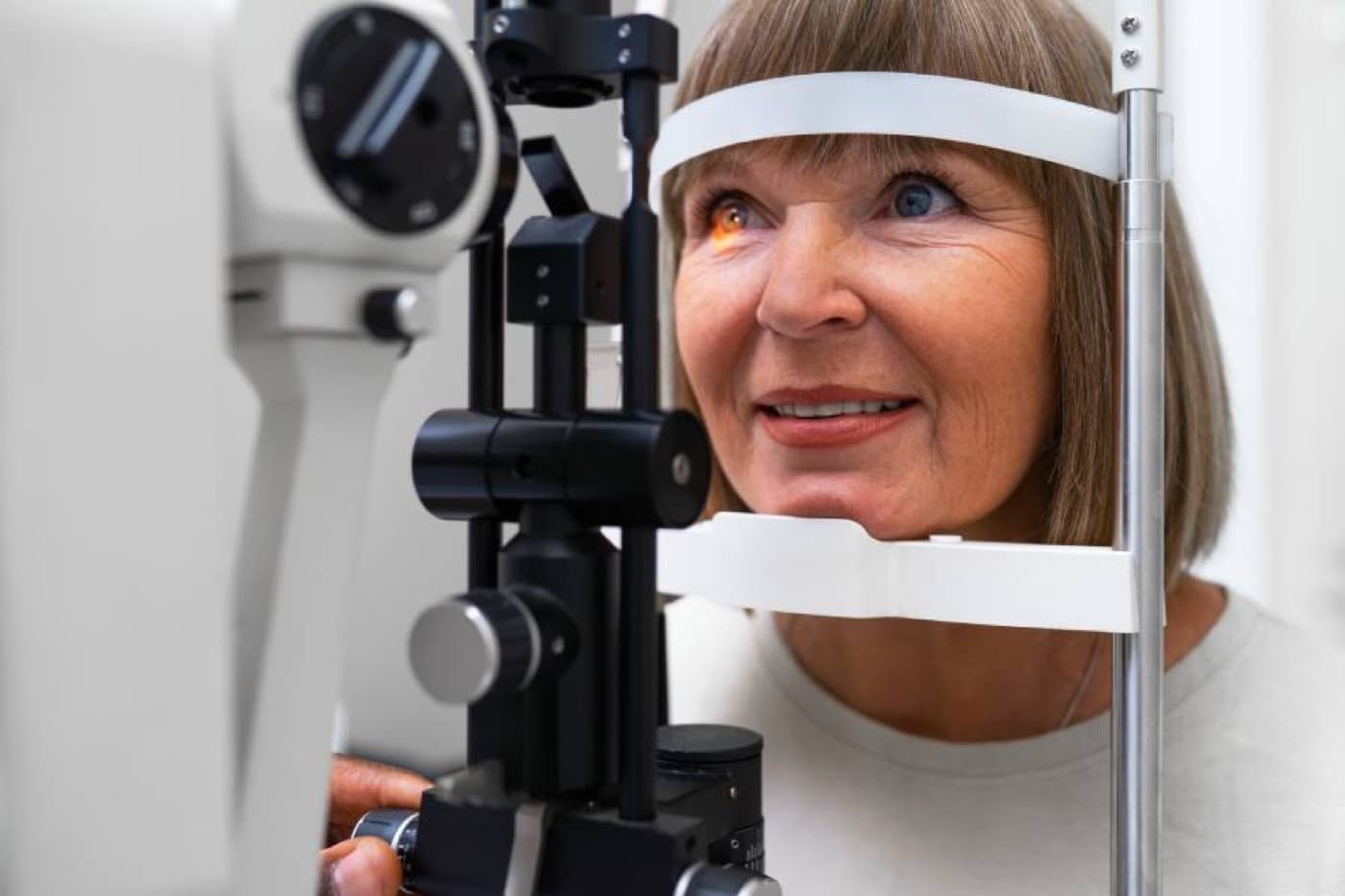
The earliest and most definitive diagnosis is made with a corneal topography device, which is also used successfully at our hospital.
Keratoconus Treatment Approaches
In the early stage, vision quality is corrected with glasses or specially made hybrid contact lenses that are rigid in the center and soft around the edges. In advanced cases, with Corneal Crosslinking (CXL) Surgery, riboflavin (vitamin B2) is applied to the eye and the cornea is strengthened with UV-A light. The method is successfully performed at our hospital as well as at a small number of reputable eye clinics around the world.
In cases that cannot be treated with surgery, a corneal transplant (keratoplasty) is planned.
The information on our website is not intended to direct individuals to any treatment. Do not take any diagnostic or treatment steps without consulting your doctor. The content does not contain information about İzmir Can Hastanesi's therapeutic healthcare services.