People today want to be free of glasses and contact lenses for both distance and near vision and to enjoy more comfortable vision and a better quality of life. One of the methods used for this is reshaping the cornea with a laser. This is the most commonly used method worldwide for correcting myopia (nearsightedness), hyperopia (farsightedness) and astigmatism; in eyes that are not suitable for this surgery, a lens can also be implanted inside the eye.
Who Is Suitable for Laser Eye Surgery?
- Being over 18 years of age
- Having a prescription that has stopped increasing
- Having sufficient corneal thickness
- Having myopia of up to -10.0 D
- Having hyperopia of up to +6.0 D
- Having astigmatism of up to 6.0 D
- Not having eye conditions such as keratoconus or glaucoma
- Not having systemic diseases such as diabetes or rheumatic disease
- Having an eye structure found suitable for laser treatment in the analyses performed
Laser Treatment at Can Göz Kliniği
Although various laser methods (PRK, No-Touch, SMILE, etc.) are available for correcting refractive errors, LASIK is the most commonly used method worldwide and the one with the most accumulated experience. At Can Göz Kliniği, LASIK surgery is performed by physicians who are highly experienced in laser treatment, using the most modern systems and with the help of a femtosecond laser instead of a blade (microkeratome) (i-LASIK). The most important advantages of this surgery are "safety" and "precision."
Wavefront Technology
With this technology, popularly known as "eagle eye," personalized laser treatment is performed. Correcting aberrations in addition to myopia, hyperopia and astigmatism improves the quality of vision.
Before Laser Treatment
Remove your contact lenses 3 days beforehand. First, a detailed eye examination is performed and your eye prescription is determined. Then detailed analyses are carried out, including corneal thickness and topographic maps of the cornea. If the retinal examination reveals risk factors such as tears or holes, these areas should be treated with an argon laser before surgery, and excimer laser treatment should be postponed for at least 3 weeks.
- When Coming for Surgery
- Do not wear makeup
- Do not wear perfume
- Stop blood-thinning medications
During Laser Treatment
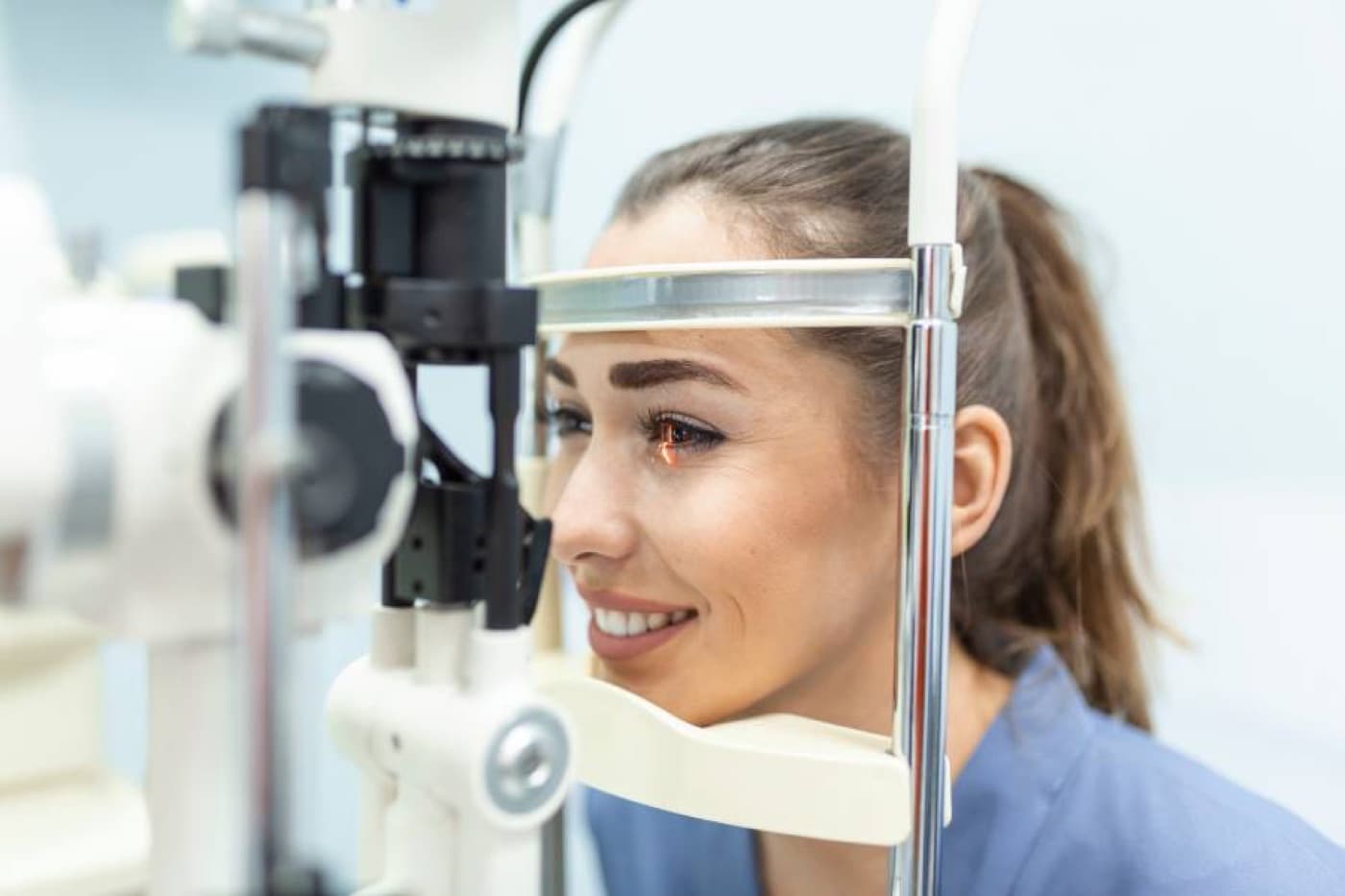
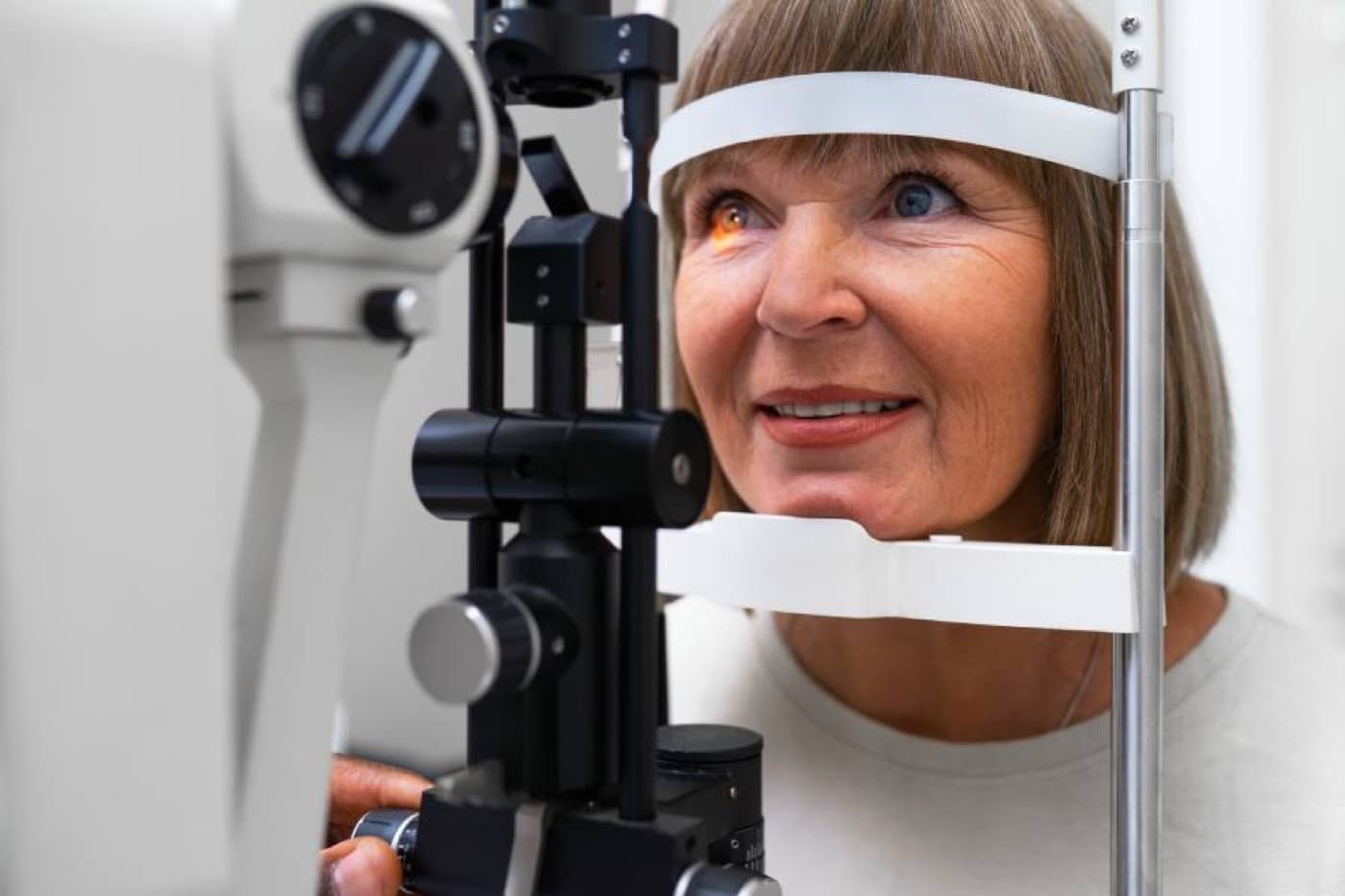
The surgery is painless. Most of our patients have a comfortable procedure. The eyes are numbed with drops only, and surgery on one eye takes a few minutes. For both eyes, the time spent in the operating room is about 15 minutes.
After Laser Treatment
You can return home after the laser treatment. It is normal to have watering, a gritty feeling and pain in your eyes for about 4–5 hours. Use your drops as recommended by your doctor. Do not rub your eyes and do not let water or soap get into them. Driving is not recommended on the day of the laser treatment. Your first check-up is the next day. After this check-up, most of our patients can return to work and social life. You may need to use eye drops for about 3–6 months.
Frequently Asked Questions About Laser Treatment
Is it safe?
It is a safe, FDA-approved surgery.
Will my prescription go to zero?
The goal is a comfortable life without glasses. The aim is for you to see without glasses as well as you can see with them. After laser treatment, 95% of people with myopia and 70% of people with hyperopia no longer need glasses.
Can my prescription increase again?
If laser treatment is performed while the prescription is still progressing, you may need to wear glasses again. For this reason, your prescription must not have increased for at least 1 year.
If my prescription increases, can I have surgery again?
If your eye is suitable, you can have it a second time.
Can someone who has had laser treatment have cataract surgery in the future?
You can have cataract surgery after laser treatment.
LASIK, Femtosecond Laser (Femto-LASIK) and i-LASIK (Personalized LASIK)
LASIK: A procedure in which refractive errors such as myopia, hyperopia and astigmatism are corrected with an excimer laser.
Femto-LASIK: A method preferred especially in patients with thin corneas and those who have had previous eye surgery. Femto-LASIK aims for complete correction of refractive errors such as astigmatism, myopia and hyperopia; values below 0.50 diopters after surgery are considered a success, and glasses are not needed.
i-LASIK: This method, performed with femtosecond laser and excimer laser devices, is used particularly in cases of:
- High astigmatism,
- Deviations caused by irregularities in the cornea (aberrations)
- Previous eye surgery such as cataract surgery or corneal transplantation. It improves the person's level and quality of vision without glasses or contact lenses.
Who Is Femto-LASIK / i-LASIK Suitable For?
- Patients over 18 whose refractive error has not changed in the last year,
- Refractive errors below approximately 10 diopters of myopia and 6 diopters of astigmatism and hyperopia,
- Patients with suitable corneal thickness on detailed preoperative eye examinations,
- Femto-LASIK can be performed in patients without contraindications such as keratoconus (a structural disorder of the cornea), glaucoma or severe dry eye.
How Do I Prepare for Femto-LASIK and i-LASIK Surgery?
Before surgery, soft contact lens users must stop wearing their lenses one week beforehand, and hard contact lens users two weeks beforehand.
Patients should come to surgery without makeup.
Femto-LASIK surgery is performed under local anesthetic drops without any pain or discomfort. Both eyes can be operated on in the same session, and the total duration of surgery is 10–15 minutes. For 3–4 hours after surgery, there may be complaints such as burning, a gritty feeling, watering, blurred vision and pain in the eyes.
Protective glasses should be worn on the day of surgery, and the antibiotic-corticosteroid eye drops and artificial tears recommended by the physician should be used as directed. You must attend the routine check-ups recommended by your physician.
Rare Problems That May Occur After Femto-LASIK and i-LASIK Surgery
- Residual refractive error: the higher your refractive error before surgery, the more likely it is that a small refractive error may remain in your eyes.
- Blood in the eye (subconjunctival hemorrhage): it is painless and resolves on its own within about 1 month.
- Diffuse lamellar keratitis is an allergic reaction. It is treated by rinsing the eye with saline and with eye drops.
- Dry eye: it is usually temporary and is treated with artificial tears.
- Ectasia: develops when laser treatment is applied to an eye whose corneal thickness and topography are not suitable. Very rarely, it can also be seen after laser surgery in corneas of adequate thickness and structure.
Precautions After Femto-LASIK and i-LASIK Surgery
Do not rub your eyes or take a bath/shower for the first 24 hours after surgery. Follow the medication schedule recommended by your doctor carefully and attend your check-ups.
PRK
In refractive errors such as astigmatism, myopia and hyperopia, when the cornea is not thick enough for LASIK treatment, PRK is performed by removing the epithelial layer on the surface of the cornea and reshaping the underlying corneal tissue with an excimer laser.
Patients undergoing PRK are expected to have refractive errors below approximately 6 diopters of myopia and 2 diopters of astigmatism and hyperopia. The total duration of surgery for both eyes is about 12 minutes on average. PRK has no superiority over LASIK surgery.
The information on our website is not intended to direct individuals to any treatment. Do not take any diagnostic or treatment steps without consulting your doctor. The content does not contain information about İzmir Can Hastanesi's therapeutic healthcare services.