Cataract is a common disease that negatively affects eye health. It occurs when the lens of the eye loses its transparency. During the aging process, changes in lens proteins accelerate the formation of cataracts. Factors such as exposure to UV rays, smoking, side effects of certain medications and chronic diseases are among the causes of cataracts. Over time, these risks damage the lens of the eye and lead to blurred vision. Cataract is a progressive condition that usually affects both eyes. Symptoms may go unnoticed in the early stage. However, as the disease progresses, serious loss of vision occurs. Regular eye checkups play a critical role in the early diagnosis and treatment of cataracts.
Signs and Symptoms of Cataracts
The symptoms of cataracts appear gradually and increase over time. Blurred vision is the most common of these symptoms. As if looking through a veil of fog, the eyes do not provide clear images. This causes difficulty with daily tasks such as reading and writing. Sensitivity to light is another symptom frequently seen in people with cataracts. Bright lights can bother the eyes and cause glare. Especially at night, the headlights of oncoming vehicles can be more disturbing. Changes in color perception are another sign of cataracts. Colors may look faded or yellowish. This can make it particularly difficult to distinguish blue and green.
Double vision is another symptom of cataracts. When looking at an object, double or blurred images may appear. This becomes more pronounced especially in the advanced stages of cataracts. Cataract symptoms can cause significant difficulties in daily life. People may struggle with tasks such as reading, watching television or recognizing facial expressions. Regular eye checkups are important for the early diagnosis and treatment of cataracts.
Risk Factors That Trigger Cataract Formation
There are various risk factors that trigger cataract formation. Long-term exposure to UV rays can damage the lens of the eye and accelerate the development of cataracts. For this reason, protective measures such as wearing sunglasses and a hat are necessary. Smoking is another factor that increases the risk of cataracts. The toxins in cigarettes can harm eye health and trigger cataract formation. Avoiding smoking or quitting is a critical step in protecting eye health.
Metabolic diseases such as diabetes and obesity can increase the risk of cataracts. High blood sugar levels can damage the lens of the eye. Regular exercise, a healthy diet and maintaining an ideal weight can help protect eye health by reducing the risk of diabetes and obesity. Eye injuries and corticosteroid use can also trigger cataract formation. Protecting the eyes from impact and avoiding long-term corticosteroid use are important for reducing the risk of cataracts. When corticosteroids are needed, they should be used under a doctor's supervision and at the recommended doses.
Regular exercise, a healthy diet and maintaining an ideal weight can help protect eye health by reducing the risk of diabetes and obesity.
Diagnosis and Evaluation of Cataracts
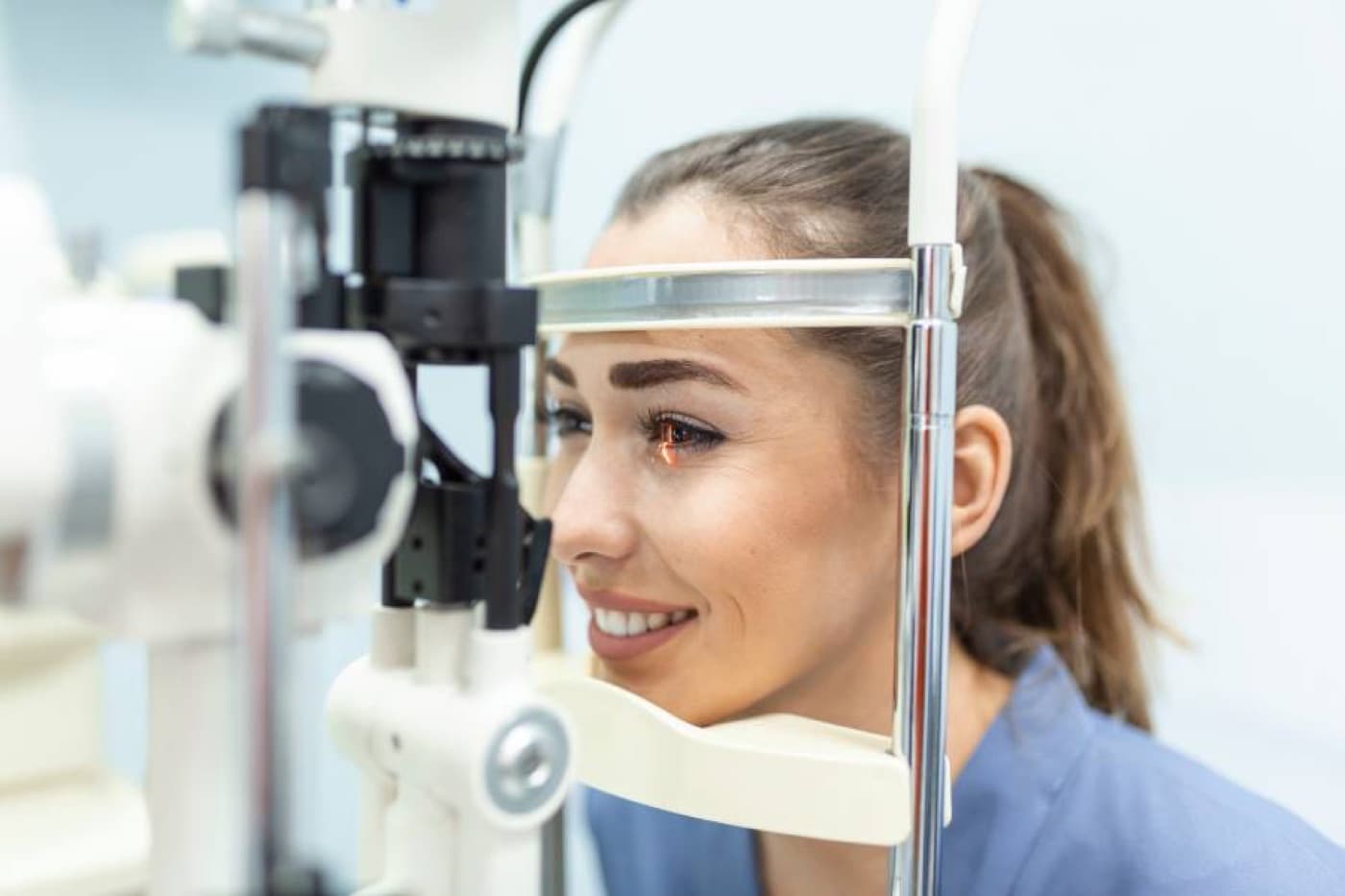
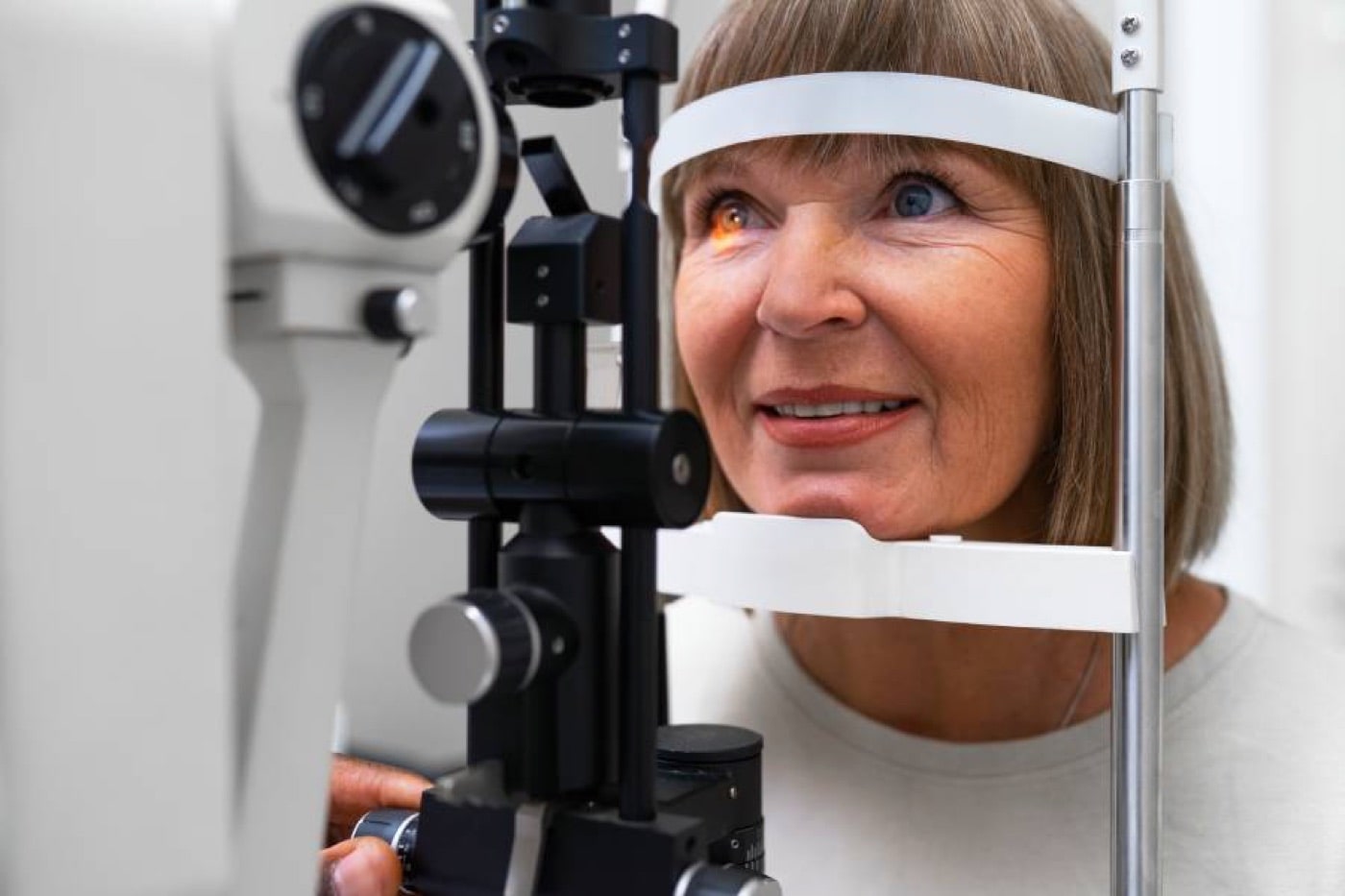
Cataract diagnosis begins with a detailed eye examination. Your eye doctor performs a vision test to assess your visual acuity. This test plays a critical role in understanding how the cataract affects your vision. Biomicroscopy is an important tool in diagnosing cataracts. Your eye doctor examines the front part of the eye by taking anterior segment photographs. This is used to determine the location, size and type of the cataract. A fundus examination evaluates the back of the eye. This examination is important for assessing the effect of the cataract on the retina and optic nerve. The results determine how far the cataract has progressed and what the treatment options are. Cataract diagnosis and evaluation are tailored to each patient's needs. Regular eye examinations allow cataracts to be diagnosed early and an appropriate treatment plan to be created. This helps prevent vision loss and preserve your quality of life.
Cataract Treatment: Surgery and Aftercare
Surgery is the most effective method of cataract treatment. In this procedure, the clouded natural lens is removed and replaced with an artificial lens. Performed under local anesthesia, this operation significantly improves the patient's quality of vision. Femtosecond laser technology makes cataract surgery more precise and safer. This technology allows the surgeon to position the lens more accurately and shortens the duration of the operation. This in turn speeds up recovery after surgery.
Care after cataract surgery is critical to the patient's health. Patients should use eye drops to reduce the risk of infection and protect their eyes from water and dust. During recovery, eye health should be monitored with regular follow-up examinations. After surgery, patients can usually return to their daily activities within a few days. However, full visual acuity is achieved within a few weeks.
In summary, surgery is the most effective method of cataract treatment. Thanks to modern technologies, operations have become safer and more successful. Proper postoperative care and regular checkups restore clear vision and improve patients' quality of life.
The information on our website is not intended to direct individuals to any treatment. Do not take any diagnostic or treatment steps without consulting your doctor. The content does not contain information about İzmir Can Hastanesi's therapeutic healthcare services.