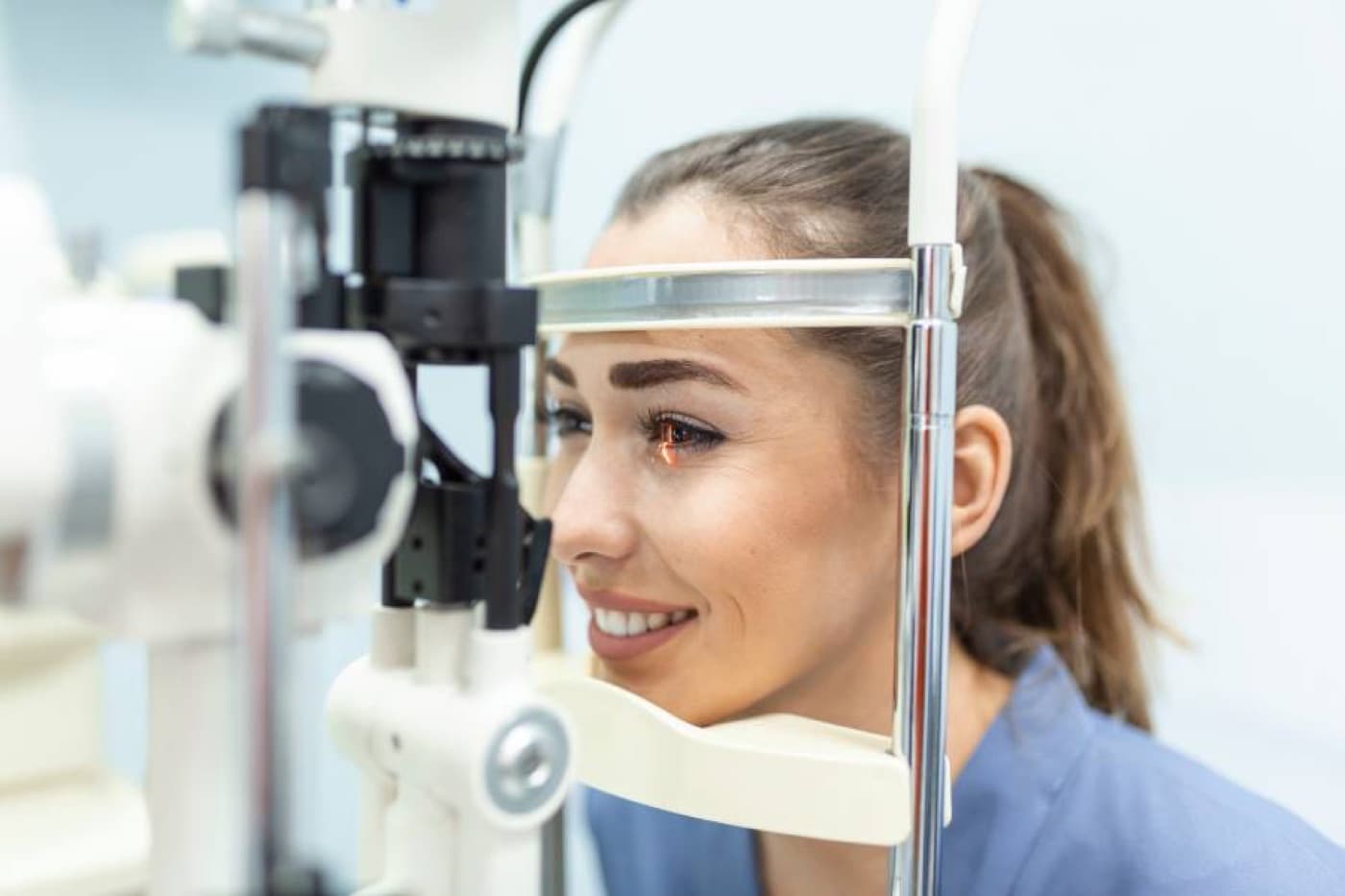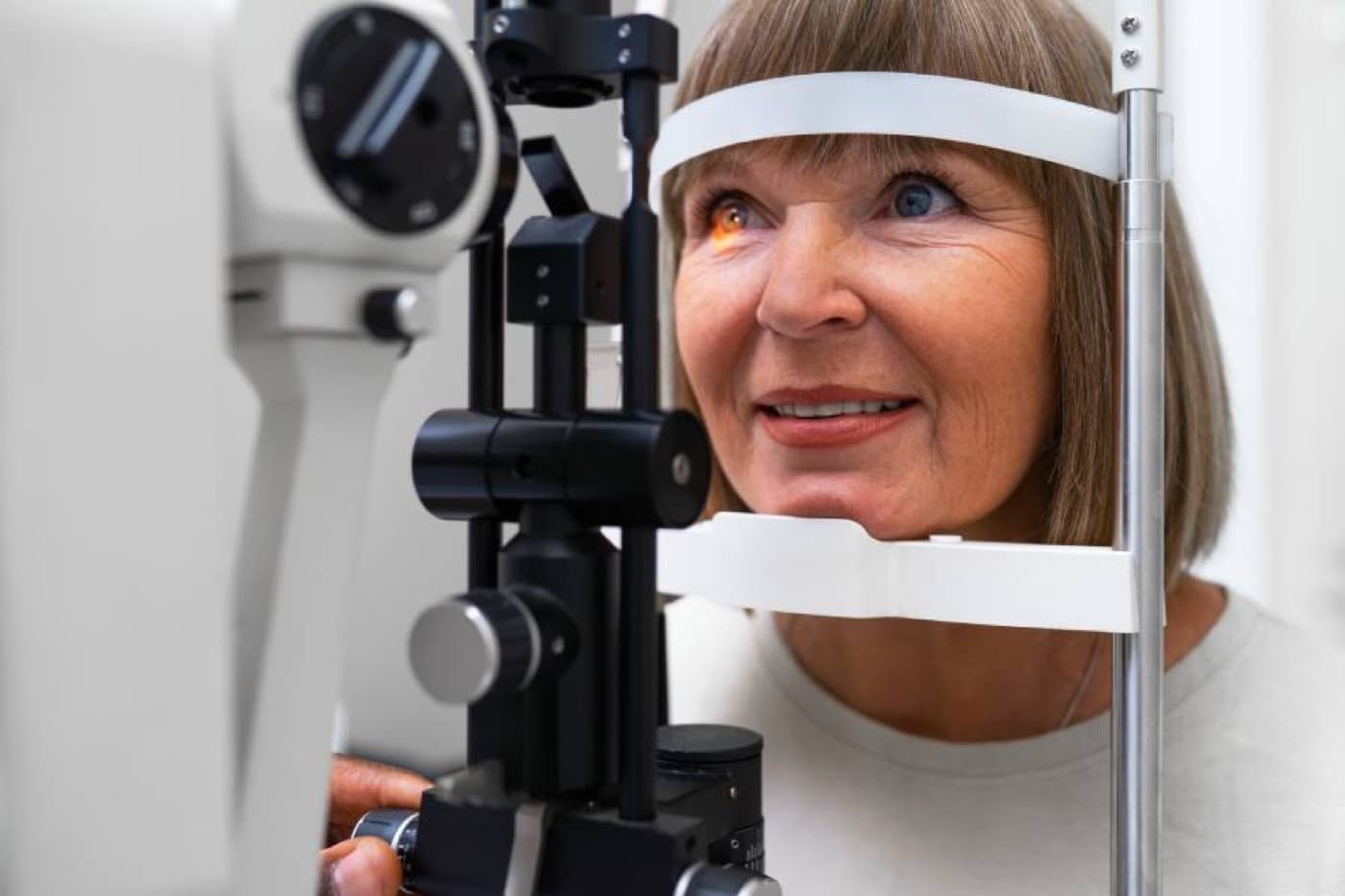
A smart lens is a special type of lens used in cataract surgery. These lenses are implanted in place of the eye's natural lens. They provide clear vision at both near and far distances. The features of smart lenses include correcting the eye's refractive errors and improving the quality of vision. Unlike traditional cataract lenses, smart lenses have more than one focal point. As a result, the need for glasses after surgery is greatly reduced in most patients; however, some patients may still need glasses for certain tasks. The advantages of smart lenses include clear vision at different distances throughout the day, reduced dependence on glasses and an improved quality of life.
Smart lenses are selected according to the person's age and eye structure. The patient's needs are determined through a detailed eye examination before surgery. The most suitable smart lens model is then chosen. Smart lens technology is considered a groundbreaking development in cataract treatment. It is being chosen by more and more patients every day.
Preparing for Smart Lens Surgery
Preoperative preparation for smart lens surgery involves several important steps. The patient's general health and eye structure are examined in detail. The eye doctor performs a comprehensive examination to determine the patient's refractive error. The patient needs to share the medications they use with their doctor. Some medications may be stopped or their doses adjusted before the operation. On the day of surgery, it is important for the patient to fast and not wear makeup. Consultations with the doctor play a major role in the preparation process. In these consultations, the patient's expectations and the risks and benefits of the operation are discussed. While answering the patient's questions, the doctor explains the surgical process in detail. In this way, the patient can make an informed decision and be ready for surgery.
How Is Smart Lens Surgery Carried Out?
Thanks to technological advances, smart lens surgery has become easier. The operation is performed under local anesthesia and takes 15-20 minutes. First, the eye is numbed with eye drops. Next, a small incision is made. The lens inside the eye is removed and a smart lens is implanted in its place. The patient goes through this procedure comfortably. Smart lens surgery varies depending on the technology used. For example, femtosecond laser technology allows the incision to be made with a laser. This makes the operation safer and more precise. During surgery, it is important to limit eye movements and for the patient to stay still. After the operation, the eye is covered with a bandage and the patient remains under observation. After discharge, regular checkups and medication support the recovery process.
The Postoperative Period
After smart lens surgery, regular follow-up and care are very important. In the first days, rest is needed to let your eyes recover and speed up healing. Using the eye drops and medications recommended by your doctor regularly reduces the risk of infection and supports healing. Postoperative care is critically important for protecting your eye health. You should avoid rubbing your eyes, swimming underwater and dusty environments. If you do not want to be exposed to sunlight, you can wear protective glasses. With regular checkups, your recovery is closely monitored and intervention is provided when needed.
After smart lens surgery, a gradual improvement in your vision is expected. Blurred vision or mild discomfort in the first days is considered normal. Over time, your visual clarity will increase and you will be free of your glasses or contact lenses. Although full recovery varies from person to person, it is generally complete within a few weeks.
Over time, your visual clarity will increase and you will be free of your glasses or contact lenses.
Risks of Smart Lens Surgery
Smart lens surgery is an effective way to resolve vision problems. However, like any surgical operation, it carries some risks. These risks include infection, dry eye, night vision problems and, although rare, conditions such as retinal detachment. When the operation is performed by an experienced surgeon, these risks are quite low. To minimize the risk of infection, it is important to pay attention to eye hygiene after surgery and to use the prescribed antibiotic drops regularly. Dry eye usually resolves within a few weeks. Night vision problems are felt more in the dark, but the eyes adapt over time. Serious problems such as retinal detachment are very rare and can be detected early with regular eye checkups.
Before smart lens surgery, a detailed eye examination is performed. This examination is used to assess possible risks and select the right lens for the patient. The patient's general health is also taken into account so that the operation can be performed safely. Thanks to these precautions, the risks of smart lens surgery are minimized and patients achieve clearer vision.
Who Is Smart Lens Surgery Suitable For?
Smart lens surgery is a treatment option for people who meet certain criteria. These criteria cover the patient's age, eye health and general health. The most suitable candidates are people over the age of 40 who have age-related difficulty seeing up close. People who are not satisfied with wearing glasses or contact lenses and who cannot see clearly at a distance and up close are among the suitable candidates for smart lens surgery. In addition, people who do not have eye conditions such as glaucoma or advanced corneal or retinal disease may also be found suitable.
Before the operation, the patient's eye health and general health are examined in detail. The ophthalmologist evaluates the patient's eye structure, corneal thickness and eye pressure. If the patient is found suitable, the operation is planned and the patient is given the necessary information.
Cost of Smart Lens Surgery

Smart lens surgery is an effective solution for improving your eye health and increasing your visual acuity. However, the cost of this operation can vary depending on many factors. Smart lens prices differ according to the type of lens used, the patient's health condition and the country where the operation is performed. The Social Security Institution (SGK) offers partial coverage for smart lens surgery to patients who meet certain conditions. However, in cases not covered by SGK, the cost of the operation is paid by the patient. Private health insurance may also cover smart lens surgery, but this varies depending on the policy terms.
When planning smart lens surgery, it is important to discuss all cost-related details with your eye doctor. Your doctor will explain the lens options most suitable for you and their prices. You can also check your SGK or private health insurance coverage to find out how much of the cost of the operation can be covered.
Living With a Smart Lens
Smart lens surgery significantly improves quality of life. After surgery, the clarity and sharpness of vision improve markedly. This makes daily activities easier and more enjoyable. Activities such as reading, writing, watching television and using a computer can be carried out more comfortably with a smart lens. The experiences of patients who have had smart lens surgery are very positive. Many patients state that they no longer need glasses or contact lenses after surgery. This provides great freedom and comfort in daily life. In addition, being able to see both far and near clearly with a smart lens boosts patients' self-confidence and has a positive effect on their social lives.
The adaptation period after the operation may differ for each patient. However, in general, the vast majority of patients get used to their new quality of vision in a short time. By attending regular checkups and following the doctor's advice, life with a smart lens becomes even easier over time. In conclusion, smart lens surgery improves patients' quality of vision and standard of living, allowing them to lead happier and more productive lives.
The information on our website is not intended to direct individuals to any treatment. Do not take any diagnostic or treatment steps without consulting your doctor. The content does not contain information about İzmir Can Hastanesi's therapeutic healthcare services.