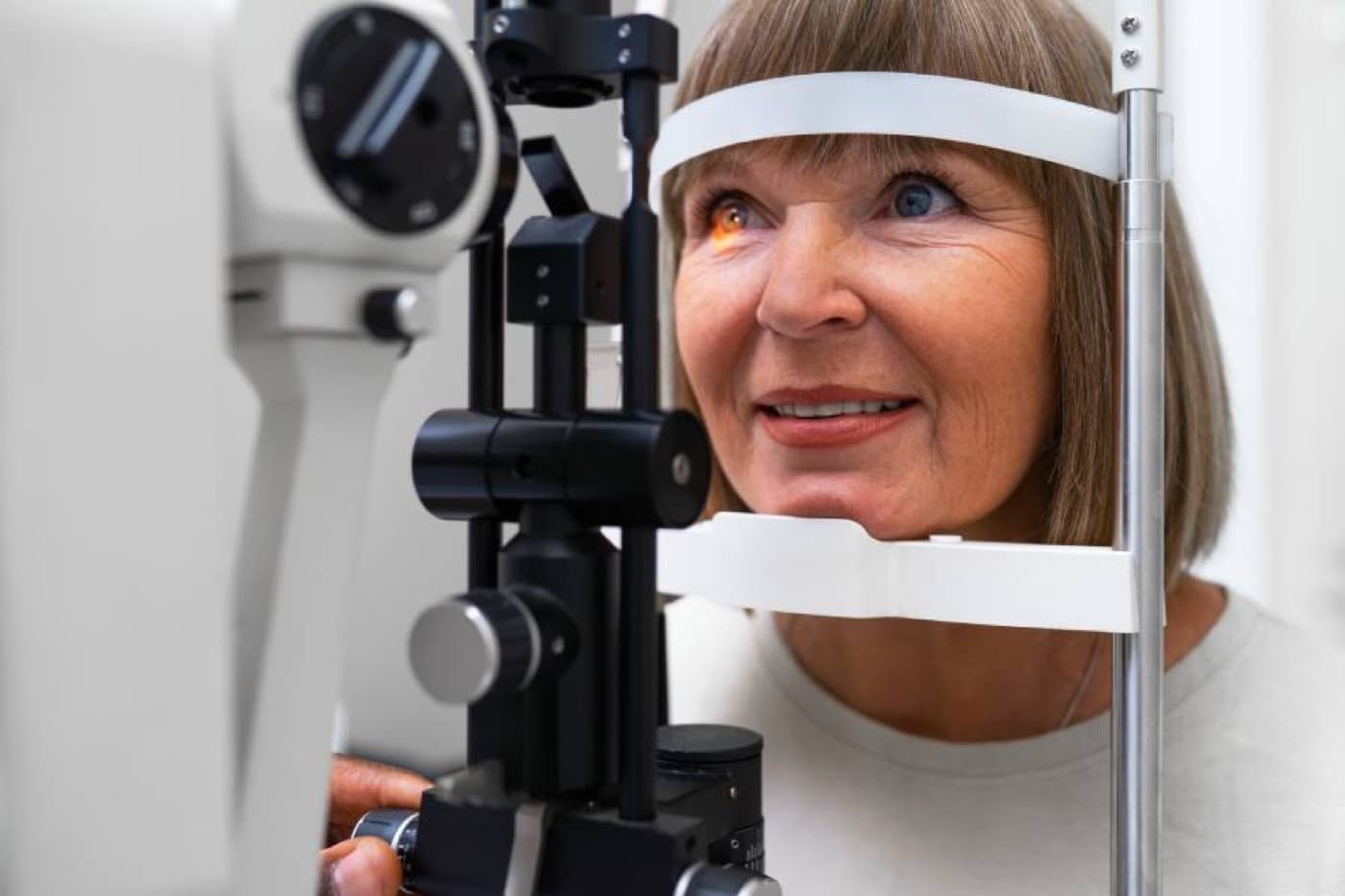
Eye health is an important matter that directly affects quality of life. One of the conditions that impairs vision is clouding of the eye’s natural lens. Over time, this condition can prevent clear vision and make daily activities difficult. Modern medicine offers an effective method to solve this problem. Performed under local anesthesia, the procedure usually takes 15–30 minutes. The patient is discharged the same day and can quickly return to daily life. During the operation, the clouded natural lens is replaced with a clear artificial lens. This improves the quality of vision, and patients are introduced to a clearer world. The procedure is performed using microsurgical techniques and offers a comfortable experience for the patient. In the postoperative period, the eye drops and follow-up visits recommended by the doctor speed up recovery. This method is a reliable solution for correcting vision loss and improving quality of life.
An Overview of Cataract Surgery
Vision problems are common, especially in later life. Clouding of the eye’s natural lens is a widespread problem that prevents clear vision. This condition is called a cataract, and if left untreated, it can reduce quality of life. Cataract surgery is an effective method used to solve this problem. Performed under local anesthesia, the procedure usually takes 15–30 minutes. The patient is discharged the same day and can quickly return to daily life. During surgery, the clouded natural lens is replaced with a clear artificial lens. This improves the quality of vision, and patients are introduced to a clearer world. The procedure is performed using microsurgical techniques and offers a comfortable experience for the patient. In the postoperative period, the eye drops and follow-up visits recommended by the doctor speed up recovery. This method is a reliable solution for correcting vision loss and improving quality of life. Cataract surgery stands out for its high success rate. Patients achieve clear vision within a short time and continue their daily activities without problems. Following the doctor’s advice during this process has a positive effect on recovery.
Preoperative Preparation and Eye Examination
The preoperative preparation process is critical for a successful outcome. At this stage, the patient undergoes a detailed eye examination, which allows the internal structure of the eye to be analyzed accurately. Measurements of the eye are taken using technological methods such as biometry, keratometry and OCT. These measurements form the basis for choosing the appropriate lens. The doctor evaluates the patient’s current vision and shapes the treatment plan accordingly. The preoperative process directly affects postoperative success. Accurate measurements and evaluations help the patient achieve clearer vision. For this reason, it is very important to pay close attention to this stage.
Surgical Methods and Techniques
The surgical methods used in cataract treatment are effective solutions offered by modern medicine. These methods are chosen according to the patient’s condition and eye structure. Extracapsular surgery, phacoemulsification and laser surgery are the most commonly preferred techniques. Extracapsular surgery is performed through a larger incision. This method is especially suitable for very hard (advanced) lenses. Phacoemulsification, on the other hand, is performed through a small incision, and the lens is broken up using ultrasound waves. This procedure offers a faster recovery. Laser surgery is a method that has become widespread in recent years. This technique uses a laser to create the incision and break up the lens. The laser works precisely, reducing the risk of complications. Each method is selected by the doctor according to the patient’s needs.
The ultrasound devices and eye drops used during surgery increase the safety of the procedure. Small incision sizes speed up postoperative recovery. These techniques allow patients to return to their daily lives sooner. Which method is used depends on the patient’s eye structure and the severity of the cataract. After a detailed evaluation, the doctor creates the most appropriate treatment plan. This process is very important for a successful outcome.
Intraocular Lens Options
Intraocular lens options offer types suited to different needs to improve the quality of vision. These lenses can be tailored to patients’ lifestyles and vision problems. Monofocal, bifocal, trifocal, toric and add-on lenses are the most commonly preferred types. Monofocal lenses have a single focal point. These lenses are ideal for either distance or near vision. However, glasses may be needed for both distance and near vision. Bifocal lenses offer two focal points, providing clarity for both distance and near vision.
Intraocular lens options offer types suited to different needs to improve the quality of vision.
Trifocal lenses offer a wider range of vision with three focal points. These lenses provide clear vision at far, intermediate and near distances. Toric lenses are specially designed for patients with astigmatism. Add-on lenses meet additional vision needs after surgery. Which lens is used is determined according to the patient’s eye structure and lifestyle. The doctor selects the most suitable lens after taking detailed measurements. These measurements are performed using technological methods such as biometry and keratometry. Lens choice directly affects the quality of vision. The right lens makes patients’ daily activities easier and improves their quality of life. For this reason, it is very important to follow the doctor’s recommendations.
Steps of Cataract Surgery
The steps involved in cataract treatment are among the topics patients are most curious about. This process is planned with patient comfort and safety in mind. In the first stage, the patient is taken to the operating room and the necessary preparations are made. Special drops are used to dilate the pupil. These drops allow the internal structures of the eye to be seen clearly during surgery. Then local anesthesia is applied to create a painless experience for the patient. During surgery, a small surgical incision is made. This incision is used to remove the clouded natural lens. This stage is performed using microsurgical techniques and requires high precision.
After the lens is removed, a clear artificial lens is implanted. This lens is specially designed to improve the quality of vision. During the procedure, the risk of complications is minimized through the use of lasers and other technological devices. After surgery, the patient is discharged within a short time. The medications and follow-up visits recommended by the doctor speed up recovery. These steps are very important for successful treatment.
Duration of the Operation and Recovery Process
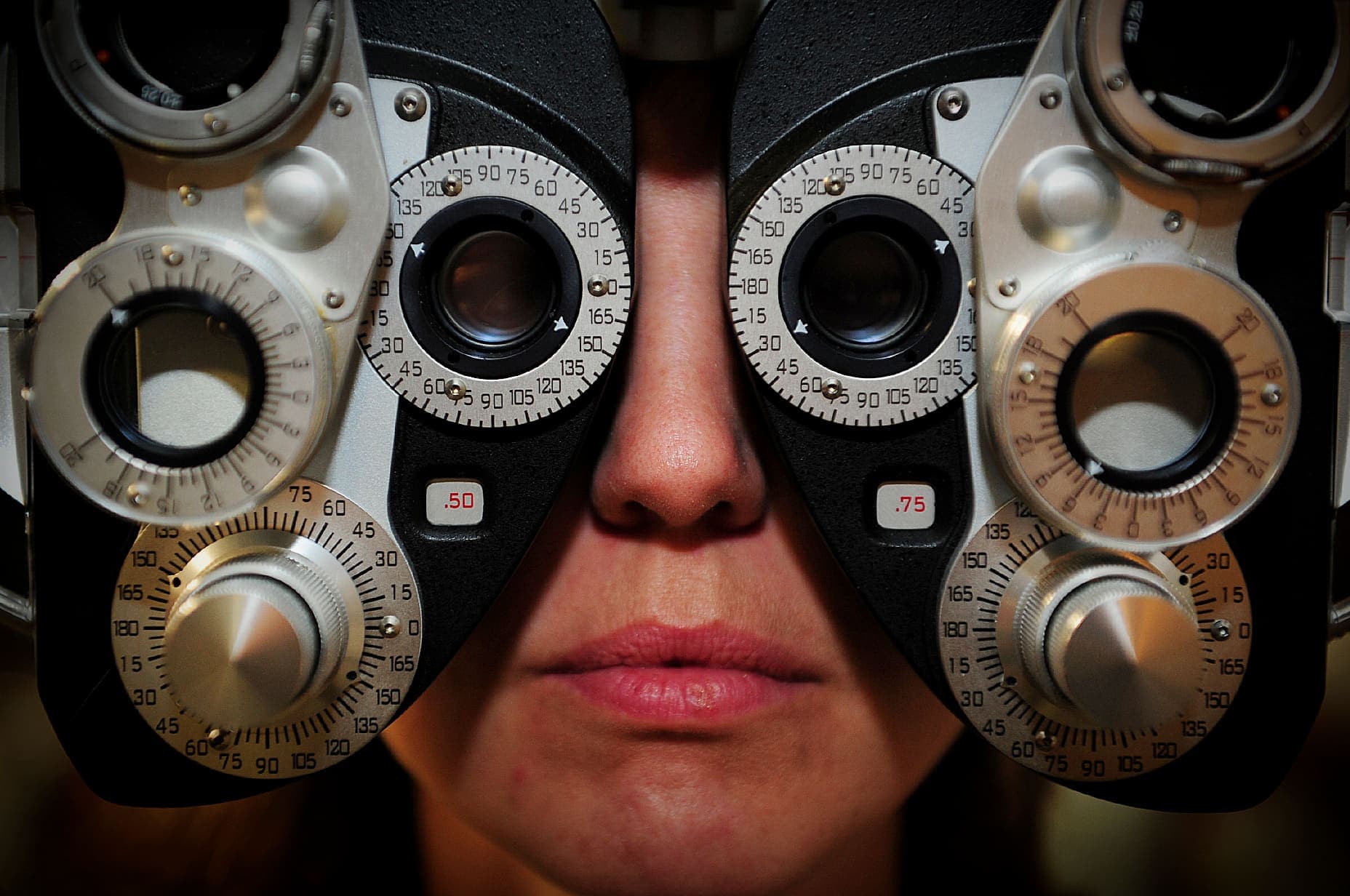

The duration of the operation and the recovery process are among the topics patients are most curious about. This process directly affects both the success of the operation and the patient’s return to daily life. The operation usually takes 15–30 minutes. This short duration offers a comfortable experience for the patient. Performed under local anesthesia, the procedure is completed quickly and painlessly.
The recovery process begins after the operation. In the first few days, mild blurred vision or sensitivity to light is normal. This resolves on its own within a few days. Full recovery usually takes 4–6 weeks. The eye drops and follow-up visits recommended by the doctor are very important during this period. Patients should follow their doctor’s advice to speed up recovery. Regular postoperative check-ups are necessary to monitor the course of healing. These check-ups help prevent possible complications.
What to Pay Attention to After Surgery
The postoperative period is the most critical stage of recovery. During this time, there are some rules patients should follow. Hygiene and rest are especially important in the first few days. Regular use of the eye drops prescribed by the doctor speeds up healing. These drops reduce the risk of infection and soothe the eye. Using medications correctly is necessary for a successful outcome. Rubbing the eyes should be avoided, as it can cause irritation or damage. In addition, precautions should be taken to protect the eyes from dust and impacts. Wearing sunglasses when going outside protects the eyes and reduces sensitivity to light.
Regular postoperative check-ups are important for monitoring the recovery process. These check-ups help prevent possible complications. Following the doctor’s recommendations is necessary for successful recovery. After cataract surgery, returning to daily life becomes easier for patients. However, it is very important to be careful and follow the recommended rules during this period.
Risks and Success Rates of Cataract Surgery
As with any surgical procedure, cataract surgery may involve some risks. However, these risks are generally low and have been minimized thanks to modern technologies. Complications such as infection, bleeding or changes in intraocular pressure are rare. The risk of complications may be somewhat higher, particularly in elderly patients or in cases of hard cataracts. In such cases, risks are minimized through experienced doctors and advanced equipment. It is very important for patients to attend their pre- and postoperative check-ups regularly.
Success rates in cataract treatment are quite high. Studies show that this procedure achieves a success rate of over 95%. This high rate is achieved thanks to the technologies used and the experience of specialist doctors. To reduce risks, a detailed eye examination is performed before surgery. This examination allows the patient’s eye structure to be analyzed accurately. In addition, the risk of infection is prevented by using a sterile environment and high-quality materials.
Following the doctor’s recommendations in the postoperative period speeds up patients’ recovery. Regular use of eye drops and follow-up visits help prevent possible complications. As a result, patients can return to their daily lives within a short time.
The information on our website is not intended to direct individuals to any treatment. Do not take any diagnostic or treatment steps without consulting your doctor. The content does not contain information about İzmir Can Hastanesi's therapeutic healthcare services.