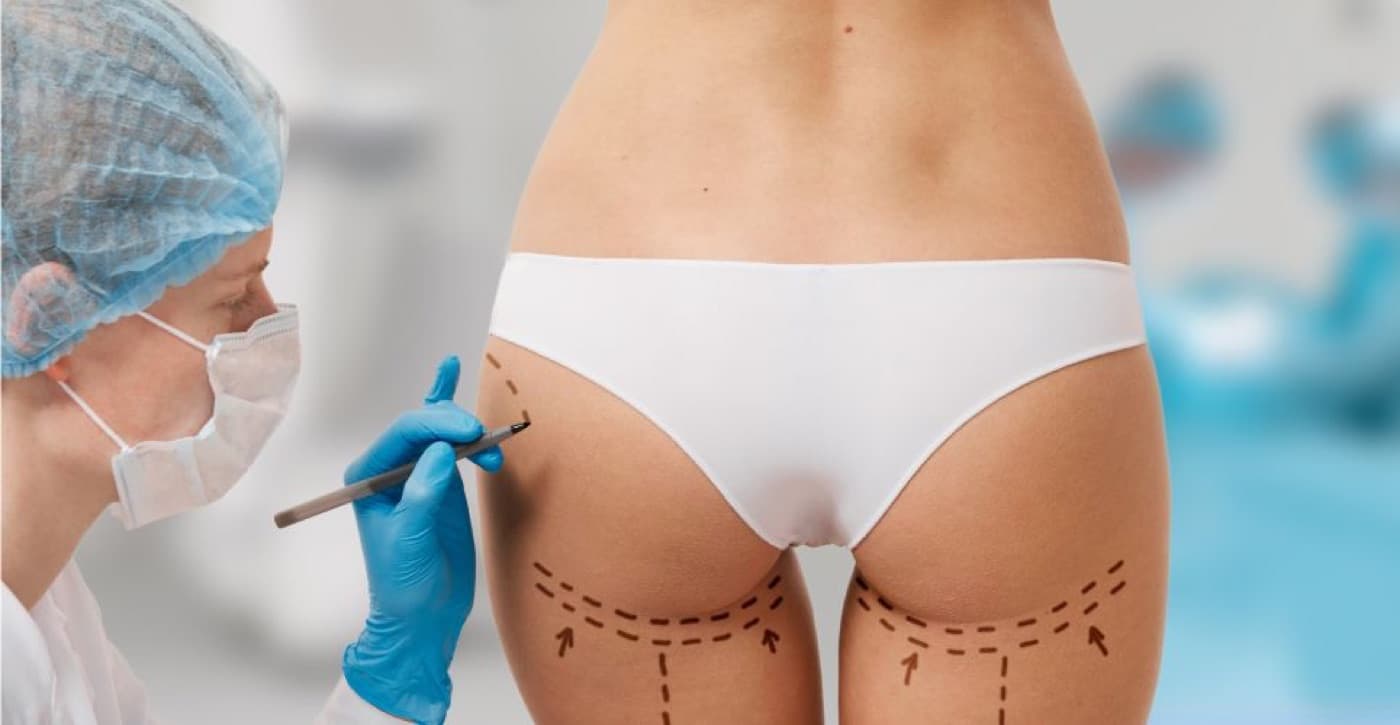
Gynecomastia, defined as breast enlargement in men, is a common problem. This condition can negatively affect a man's self-confidence and quality of life. Treatment methods may vary depending on the underlying causes and include both surgical and non-surgical options.
Causes and Risk Factors of Gynecomastia
Hormonal imbalance is the most common cause of gynecomastia. In men, an increase in estrogen levels or a decrease in testosterone leads to growth of breast tissue. This is especially common during puberty and is generally considered a temporary condition. Medication use is another factor that can cause gynecomastia. Drugs used for heart disease such as digoxin, drugs used to treat high blood pressure such as spironolactone, and certain antidepressants can lead to breast enlargement. Anabolic steroids and alcohol consumption are also among the risk factors. Obesity is an important risk factor for gynecomastia. In overweight men, excess fat accumulation in the body can raise estrogen levels. For this reason, weight control and regular exercise can be effective in reducing the risk of gynecomastia. In rare cases, gynecomastia may be a sign of certain tumors or genetic disorders. Therefore, in cases of long-lasting or one-sided breast enlargement, a medical evaluation is important to rule out underlying health problems.
Diagnosing Gynecomastia: Examination and Tests
Diagnosing gynecomastia is important for determining the cause of breast enlargement in men. The diagnostic process begins with a thorough physical examination. During this examination, the size, consistency and tenderness of the breast tissue are assessed. The patient's medical history and the medications they use are also reviewed. Imaging methods may also be used in diagnosing gynecomastia. Mammography shows the composition and structure of the breast tissue in detail. Ultrasonography, on the other hand, is useful for determining whether the breast tissue is solid or cystic. These tests help distinguish gynecomastia from other breast diseases. In some cases, hormone tests may be needed to detect underlying hormonal imbalances. Testosterone, estradiol and prolactin levels are measured to investigate whether gynecomastia has hormonal causes. These tests play an important role in creating the treatment plan.
The diagnosis of gynecomastia is tailored to each patient's individual needs. With a comprehensive evaluation, an accurate diagnosis can be made and suitable treatment options can be determined. Early diagnosis and treatment are important for minimizing the physical and psychological effects of gynecomastia.
Non-Surgical Treatment Methods for Gynecomastia
Surgery is not always necessary in the treatment of gynecomastia. Especially in mild and moderate cases, methods such as medication, hormone therapy, lifestyle changes, exercise and diet can be effective without the need for surgery. These treatment options may vary depending on the underlying causes of gynecomastia.
Medication aims to correct the hormonal imbalances that cause gynecomastia. For example, drugs that lower estrogen levels or raise testosterone levels may be prescribed. Hormone therapy targets the hormonal causes of gynecomastia and can help shrink the breast tissue.
Lifestyle changes also play an important role in the treatment of gynecomastia. A healthy diet and regular exercise can improve the appearance of gynecomastia by reducing body fat. Especially in overweight or obese men, losing weight can ease the symptoms of gynecomastia.
Non-surgical treatment methods for gynecomastia can be used alone or in combination, depending on the patient's condition and preferences. The effectiveness of treatment can be increased through regular follow-up and adjustments to the treatment plan when needed. However, surgery may be required in advanced cases of gynecomastia.
Gynecomastia Surgery: Liposuction and Tissue Excision
Gynecomastia surgery offers a solution for eliminating breast enlargement in men. This operation aims to remove excess fat and breast tissue using liposuction and tissue excision techniques. Gynecomastia surgery helps improve self-confidence and body image in men. Liposuction removes excess fat tissue by suction through thin cannulas. This method is particularly effective in gynecomastia cases where fat tissue predominates. Liposuction provides a noticeable reduction in the breast tissue, resulting in a flatter, more masculine chest appearance.
This operation aims to remove excess fat and breast tissue using liposuction and tissue excision techniques.
Tissue excision involves the surgical removal of excess breast tissue. This technique is used especially when there is excess glandular tissue. The surgeon removes the excess tissue through small incisions made around the nipple or in the armpit. Tissue excision is the core component of the breast reduction procedure. Gynecomastia surgery is performed under general anesthesia and usually takes 1-3 hours. The recovery period after surgery varies from person to person, but patients can generally return to their daily activities within 1-2 weeks. Swelling and bruising after surgery fade over time.
In conclusion, gynecomastia surgery effectively treats breast enlargement in men using liposuction and tissue excision techniques. This operation boosts patients' self-confidence and allows them to achieve a more masculine chest appearance. By consulting a plastic surgeon, you can find out whether gynecomastia surgery is right for you.
Who is gynecomastia treatment suitable for?
Patient selection is a critical step for achieving successful results in gynecomastia treatment. During the gynecomastia consultation, the patient's general health, the severity of the gynecomastia and their personal expectations are carefully assessed. Criteria for gynecomastia surgery include the patient's age, how long the gynecomastia has been present and possible underlying causes. Suitability for gynecomastia treatment depends on the patient's physical and emotional needs. Ideal candidates are people who are generally healthy, have realistic expectations and experience significant physical or psychological discomfort due to gynecomastia.
During the patient selection process for gynecomastia, a comprehensive medical evaluation is carried out. This evaluation may include a detailed physical examination, measurement of hormone levels and imaging of the breast tissue. In this way, underlying medical conditions are identified and the most suitable treatment plan is created. Establishing open and clear communication with the patient, managing expectations and discussing possible risks are vital for successful gynecomastia treatment.
Care and Recovery After Gynecomastia Surgery

Care after gynecomastia surgery ensures that the recovery process progresses healthily and quickly. After surgery, a compression garment is recommended to reduce swelling and bruising. This garment supports healing and helps the tissues settle properly. The recovery period can vary from person to person, but it usually takes 2-4 weeks. During this time, it is necessary to avoid strenuous physical activity and movements that put pressure on the chest area. Regular follow-up appointments help monitor your recovery and detect possible complications early. In the postoperative period, taking the painkillers and antibiotics prescribed by your doctor regularly reduces the risk of infection and speeds up healing. Keeping the wound area clean and dry and changing dressings regularly are also important steps in care after gynecomastia surgery. During recovery, a healthy diet and adequate rest help the body recover. Avoiding smoking and alcohol speeds up healing and reduces the risk of complications. Following your doctor's instructions and attending regular follow-up appointments during care and recovery after gynecomastia surgery helps ensure the best results.
Frequently Asked Questions About Gynecomastia Treatment
Gynecomastia treatment is a common subject of curiosity among men. Frequently asked questions about this treatment include the risks of surgery, the likelihood of recurrence and the cost. The answers to these questions are vital for choosing the right treatment. The risks of gynecomastia surgery include bleeding, infection, delayed wound healing and skin changes. However, operations performed by experienced surgeons keep these risks to a minimum. A detailed evaluation before surgery and appropriate patient selection minimize these risks.
The likelihood of gynecomastia recurring depends on the underlying causes. If factors such as hormonal imbalance or medication use cannot be brought under control, recurrence may occur. The likelihood of recurrence after surgical treatment is generally low. A healthy lifestyle and regular follow-up reduce the risk of recurrence. The cost of gynecomastia surgery varies depending on the scope of the operation and the patient's particular situation. Because it is considered a cosmetic procedure, it is not covered by health insurance. However, in some cases it may be covered by insurance if the gynecomastia causes physical or psychological distress. For more information about treatment costs, the best approach is to contact a plastic surgeon.
Gynecomastia and Its Psychological Effects: The Importance of Treatment
Gynecomastia is a condition defined as breast enlargement in men, and it often has negative psychological effects. It is characterized by effects such as reduced self-confidence, a negative body image and a feeling of discomfort in social settings. This can directly affect men's daily lives and relationships. Gynecomastia treatment plays an important role in improving self-confidence and body image. Treating gynecomastia with surgical or non-surgical methods allows patients to feel better about themselves and be more comfortable in social settings. The benefits of treatment include a healthy body image, increased self-confidence and an improvement in overall quality of life.
The relationship between gynecomastia and self-confidence highlights the psychological effects of treatment. Because of gynecomastia, men may experience emotional distress such as embarrassment, anxiety and depression. However, after effective treatment, patients can feel better about themselves and make positive changes in many areas of their lives. The benefits of gynecomastia treatment are of great value not only physically but also psychologically.
The information on our website is not intended to direct individuals to any treatment. Do not take any diagnostic or treatment steps without consulting your doctor. The content does not contain information about İzmir Can Hastanesi's therapeutic healthcare services.