
Aesthetic, Plastic and Reconstructive Surgery
Plastic surgery covers reconstructive and aesthetic surgery, correcting deformities of form and function caused by acquired, traumatic or congenital conditions.
Plastic surgery is a surgical specialty that encompasses reconstructive and aesthetic surgery. Reconstructive surgery primarily focuses on correcting deformities of form and function of the body caused by acquired, traumatic or congenital conditions.
Aesthetic surgery, on the other hand, covers procedures and operations performed to enhance body image. Here, the concern is aesthetic rather than medical. Sometimes medical problems are also resolved through aesthetic surgery. For example, in aesthetic nose surgery (rhinoplasty), problems with both shape and breathing are corrected together.
At our hospital's Aesthetic and Plastic Surgery Clinic, we treat patients' congenital or acquired deformities of form and function and perform aesthetic procedures that help them feel at peace with their reflection, using world-class technological methods.
Eyelid Surgery (Blepharoplasty)
Aging causes changes in the skin, muscles, fat, bone and ligament attachment points. The eyelids are the area where these changes in facial anatomy are most visible. Aesthetic and sometimes functional problems may develop, such as drooping eyelids that can at times obstruct the field of vision, the formation of under-eye bags, and the lateral wrinkles at the corners of the eyes known as crow's feet.
Deformities of the lower and upper eyelids develop due to loss of the skin's elastic fibers and herniation of fat tissue. This condition, characterized by sagging skin and herniation of orbital fat, is called blepharoptosis. The goal of blepharoplasty is to give the lower and upper eyelids a more youthful appearance without altering their natural look and shape.
Who Is a Suitable Candidate for Eyelid Surgery?
Although it varies depending on the patient's condition, it is generally suitable for healthy people over the age of 30 with a family history of droopy eyelids and no serious eye disease. However, if excess eyelid skin negatively affects the field and range of vision, the surgery may be performed at an earlier age.
How Is Eyelid Surgery Performed?
The eyes are the focal point of the face and should be examined in detail before any rejuvenation procedure. No single surgical technique is suitable for every patient. The preoperative evaluation determines which procedures will be combined during surgery. Although blepharoplasty targets the eyelids, the entire periorbital region needs to be evaluated and treated.
- The goal of upper blepharoplasty: To preserve, stabilize and elevate the eyebrow and to restore fullness to the upper eyelid. Brow ptosis and eyelid ptosis are ideally corrected during blepharoplasty. To keep it well hidden, the incision is made within the natural crease of the eyelid. Depending on the patient's condition, fat grafting may also be applied to hollows in the inner upper part of the eyelid when necessary.
- The goal of lower blepharoplasty: To create a smoother transition between the lower eyelid and the cheek. An incision is made just below the lower lashes or on the inside of the eyelid. Through this incision, bulging tissues are corrected and excess skin is removed. Treatment of festoons (cheek bags) and a descended malar fat pad may also be needed.
Depending on the patient's condition, eyelid surgery is performed under local anesthesia with sedation or under general anesthesia.
Aesthetic Procedures Performed Together with Blepharoplasty
In past years, eyelid surgery was thought of as concerning only the eyelid itself, and corrective procedures were performed accordingly. However, once it was understood that changes in the eyelids are influenced by other alterations in facial anatomy, aesthetic eyelid surgery began to be performed together with the aesthetic correction of these other alterations. When eyelid surgery is performed without correcting other problems in facial anatomy, the aesthetic problems recur.
For example, a specific procedure should be performed in patients with signs of aging around the eyes, such as a tear trough deformity or festoons. The hollows that form as the fat making up the under-eye bags spreads downward should be corrected by repositioning this fat upward, creating a smooth, continuous surface from the cheekbones to the lower eyelids. In upper eyelid surgery, if there is sagging in the forehead, that is, if your forehead and eyebrows are descending over your eyes, these should first be corrected with a “temporal lift”, followed by the eyelid procedure.
Evaluation Before Eyelid Surgery
- Visual acuity should be measured in all patients.
- Eye movements should be evaluated.
- Standard photographs should be taken.
Other points to consider beforehand: it is recommended not to use aspirin and similar blood-thinning medications, herbal teas such as green tea, or vitamin E for one week before the operation. In addition, patients should report high eye pressure, dry eye, high blood pressure or thyroid disease, if present.
In addition, patients should report high eye pressure, dry eye, high blood pressure or thyroid disease, if present.
What Should You Pay Attention to After Eyelid Surgery?
- After eyelid surgery, there may be tenderness and some discomfort around the eyes.
- If you feel pain, you can take the painkillers recommended by your doctor.
- Applying cold compresses to the eyes and sleeping with your head elevated will reduce bruising and swelling. Eye washes and eye drops will be recommended for a few days.
- Patients with thin eyelid skin may develop rapid swelling and bruising after surgery. This swelling and bruising will subside by the end of the first week.
- Makeup can be worn after the first week. For a while after surgery, there may be sensitivity to light and increased tearing.
You can get up the day after surgery, but you should follow your doctor's recommendations and warnings. For a quick recovery, you should avoid strenuous activities for about 2–3 weeks. It is also advisable to wear tinted glasses for 3–4 weeks to prevent irritation from sunlight and wind. The time it takes to return to work varies depending on how quickly you heal and how you feel.
Skin Resurfacing and Skin Rejuvenation
Every patient is unique and shows a different combination of genetic and environmental signs of aging affecting their skin. Sun exposure, skin disorders, aging and even heredity can cause skin irregularities on the face and elsewhere on the body. These include textural irregularities such as wrinkles and acne scars, and pigmentation changes such as freckles, sunspots or visible blood vessels. In addition, the skin may lose its tone, feel less firm and noticeably lose its radiance.
Skin rejuvenation and resurfacing treatments help achieve younger, more beautiful skin by removing the most damaged outer layers of the skin. They reveal the healthier-looking skin underneath and promote the growth of new, healthy skin cells.
In Türkiye, there are literally hundreds of different skin resurfacing treatments and different methods for treating various aspects of skin damage. It is very important to be treated safely and effectively, and for the treatment you receive to be effective in reaching your goals.
The qualifications and procedures required to perform skin resurfacing treatments vary from treatment to treatment, but you should always choose specialists who are competent in their field and experienced in medical skin care. Most skin treatments require a series of sessions and a multifaceted approach to achieve excellent results. Most importantly, depending on their condition and wishes, patients must be committed to protecting their skin going forward so that the results last longer.
Who Are Suitable Candidates for Skin Resurfacing Treatment?
In general, people who are healthy and have a positive attitude and realistic expectations are suitable. People whose skin is sun-damaged and blotchy, who have fine facial wrinkles, acne or chickenpox scars, or leathery-looking skin may be considered suitable candidates for this treatment. If you have active acne, very dark skin, deep wrinkles, or excessive or sagging skin, you may not be a good candidate for laser skin resurfacing.
How Is Skin Resurfacing Treatment Performed?
Commonly used skin resurfacing methods include laser skin resurfacing treatments, microneedling, microdermabrasion and dermabrasion, chemical peeling, and IPL (Intense Pulsed Light).
- Laser Skin Resurfacing Treatment
The specialist may choose laser skin resurfacing as an outpatient procedure. The care team will numb the skin with medication; that is, the procedure is performed on an outpatient basis using local anesthesia. During ablative laser resurfacing, an intense beam of light energy (laser) is directed at your skin.
The laser beam destroys the outer layer of the skin (epidermis). At the same time, the laser heats the underlying skin (dermis), which over time stimulates collagen production and leads to improved skin tone and texture. Ablative laser resurfacing typically takes between 30 minutes and two hours, depending on the technique used and the size of the area treated. With non-ablative laser treatment, you will likely need 1 to 3 sessions scheduled over weeks or months to achieve the desired results.
- After the Procedure
After ablative laser resurfacing, the treated skin will be raw, swollen and itchy. Your doctor will apply a thick ointment to the treated skin and cover the area with an airtight and watertight dressing. The purpose of using an ointment or cream is to prevent any crusting. You can take a painkiller and use ice packs.
New skin usually covers the area within one or two weeks, and in general, full healing takes at least a month, depending on the nature of the condition treated and the type of laser used. During this time, do not use products such as cosmetics that may irritate your face. Once the areas have healed, makeup can be used to camouflage the pink-to-red color usually seen after laser skin resurfacing. Avoid situations that increase your risk of infection, such as public hot tubs. Always use sun protection after laser resurfacing.
Recovery time after non-ablative laser resurfacing is minimal. Your skin may be swollen for a few hours. Use ice packs as needed. Typically, you can resume your usual activities and skin care routine right away.
What Results Can I Expect After Laser Skin Resurfacing?
You should see a difference in the treated skin right away. Depending on the laser treatment, your skin may remain pink or red for a few months. Your skin may continue to improve for up to a year, and the improvement may last for several years. The normal aging process will lead to new wrinkles, which can again be treated with laser skin resurfacing. It is very important to avoid the sun as much as possible and apply sunscreen every day.
Treatments and Topics in This Department
- Mommy Makeover
- Neck Lift and Double Chin Aesthetics
- How Is Rhinoplasty (Nose Surgery) Performed?
- Skin Renewal and Rejuvenation
- Dermal Fillers
- Lip Aesthetics (Lip Contouring)
- Cleft Lip and Palate
- Genital Aesthetics
- Double Chin Aesthetics
- Eyelid Surgery (Blepharoplasty)
- Gynecomastia Surgery
- Brazilian Butt Lift
- Tummy Tuck (Abdominoplasty)
- Brow Lift
- Prominent Ear Correction
- Arm and Thigh Lift
- Ear Surgery (Otoplasty)
- Liposuction
- Breast Augmentation
- Breast Lift (Mastopexy)
- Breast Aesthetics
Programs and Guides
Doctors in This Department
Health Guide for This Department

Mar 18, 2025
How Is Gynecomastia Treated?
Read Full Article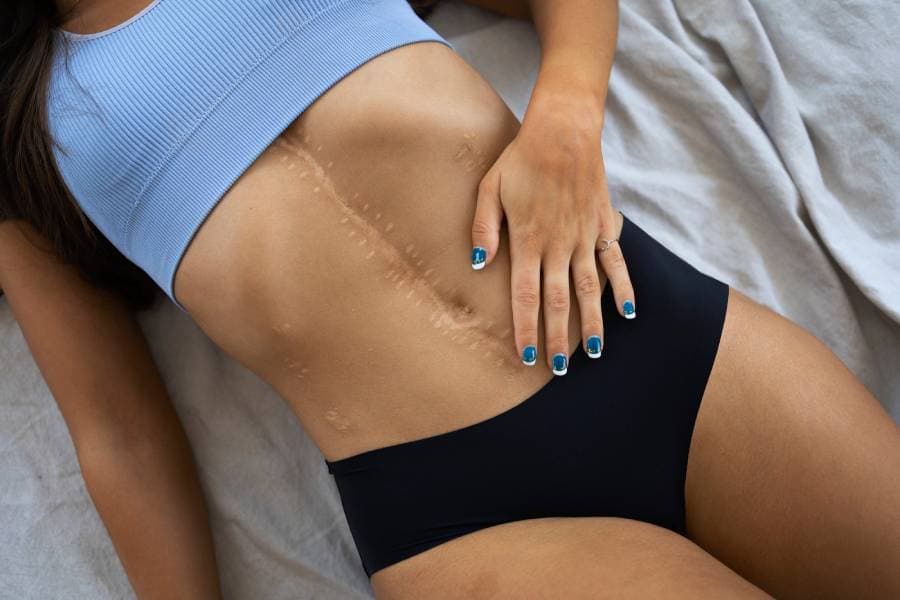
Jan 7, 2025
How Do Surgical Scars Fade After an Operation?
Read Full Article
Dec 18, 2024
Breast Reduction Surgery Recovery Timeline
Read Full Article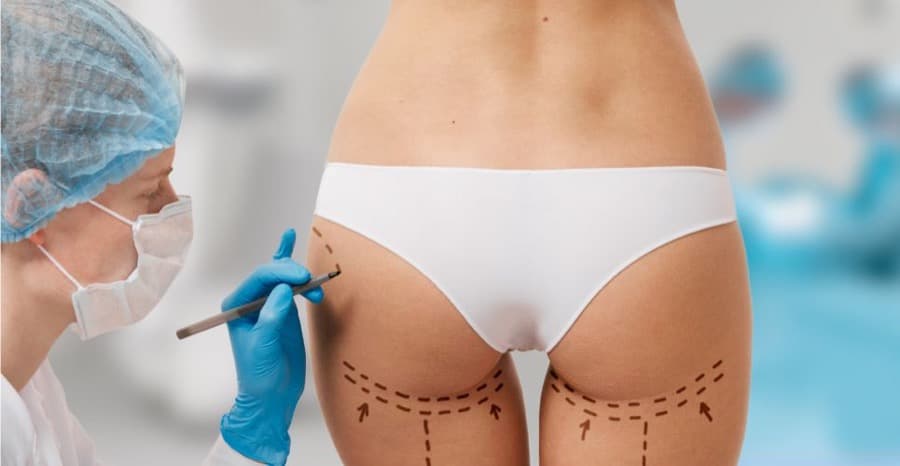
Jul 17, 2024
How Is Buttock Augmentation (BBL) Surgery Performed?
Read Full Article
Jun 11, 2024
What Is Breast Reduction Surgery?
Read Full Article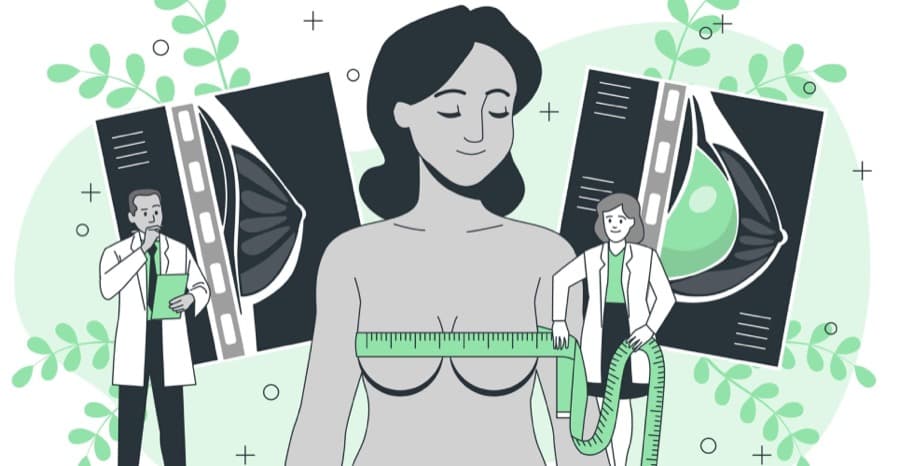
May 13, 2024
Breast Augmentation Surgery from an Aesthetic and Health Perspective
Read Full Article
Dec 28, 2023
What You Need to Know About Liposuction (Fat Removal)
Read Full Article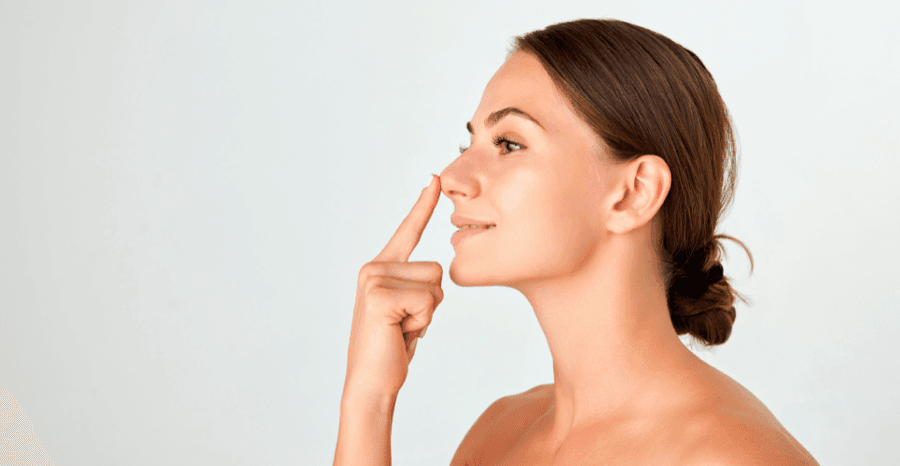
Dec 28, 2023
What Is Rhinoplasty (Nose Job Surgery)?
Read Full ArticleCan Hastanesi Hotline
+90 (232) 715 40 00