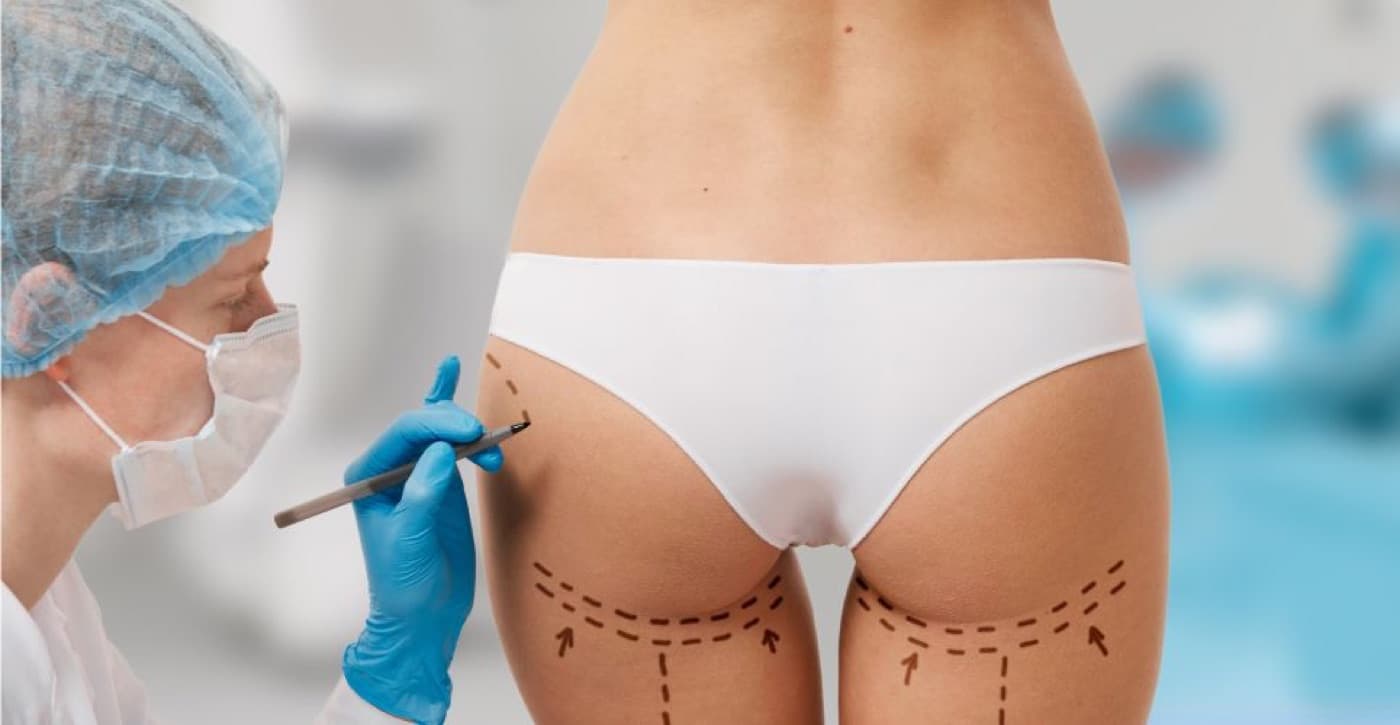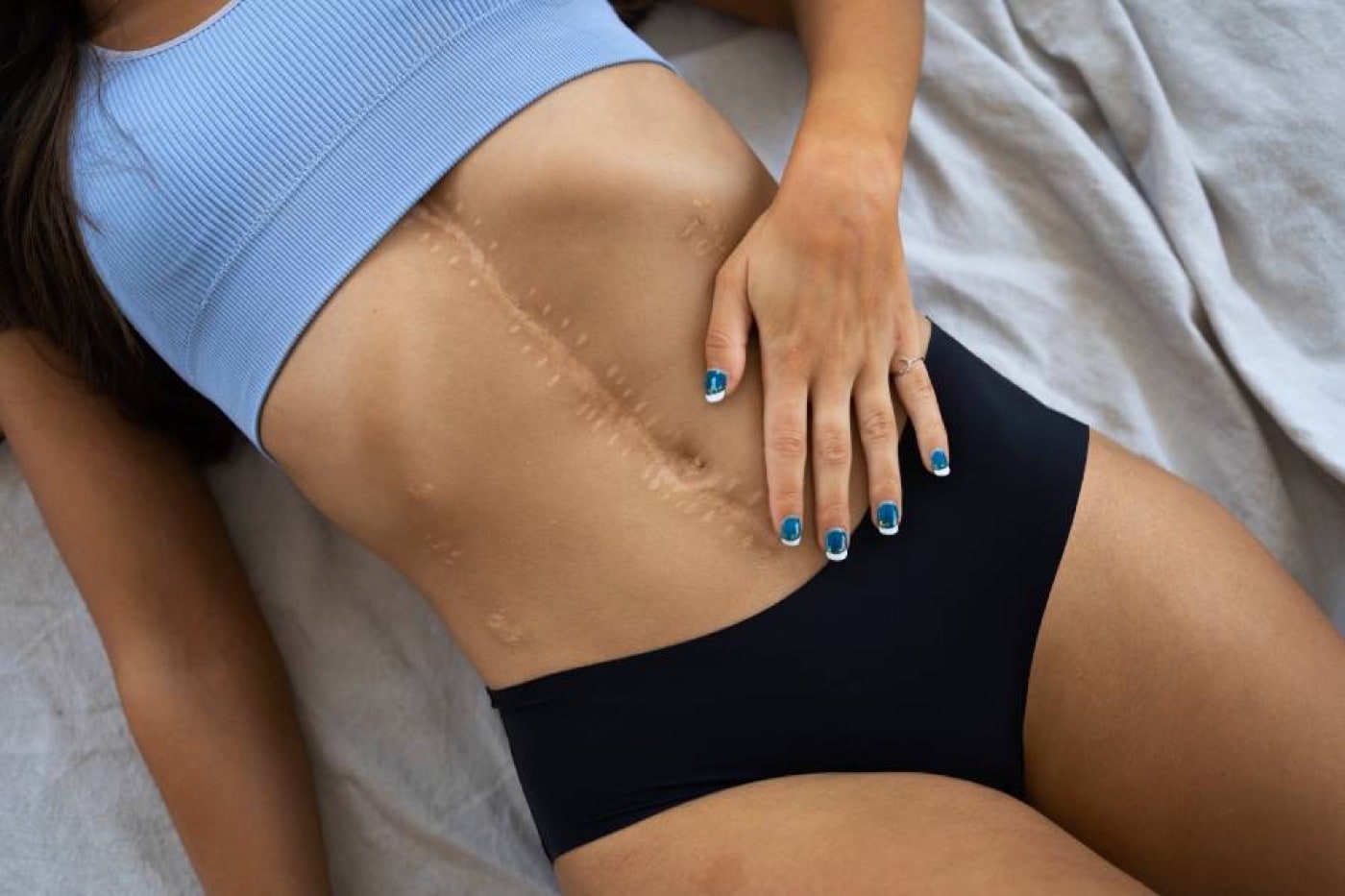
Postoperative suture scars are a concern that affects many people both cosmetically and psychologically. The healing of suture scars depends on various factors such as the person's skin type, genetic factors, the quality of wound care and the suture material used. This article will describe in detail the treatment methods that can be used to remove suture scars and the natural healing process. Learning about scar treatment is important for understanding the steps needed to reduce the appearance of these scars.
Methods for Treating Suture Scars
Suture scar treatment can be carried out with a variety of methods. Laser treatment can reduce suture scars by resurfacing the skin. This method is a popular answer to the question of how suture scars fade. Microdermabrasion, on the other hand, exfoliates your skin to give it a smoother appearance. A chemical peel removes dead cells from the skin and stimulates the formation of new skin cells. This method is often preferred for treating suture scars. Surgical revision is a suitable option for deep and prominent suture scars. It is performed by plastic surgeons, and successful results can be achieved.
A dermaroller increases collagen production by microneedling the skin. This can reduce suture scars. Silicone gel is also used and is known as a scar cream. With regular application, it helps scars become smaller. Each suture scar treatment method may give different results. The results vary depending on the size and depth of the scars and how long they have been present. Consulting a professional dermatologist or plastic surgeon to determine the most suitable treatment plan will help you achieve better results.
Natural Methods for Suture Scars
Natural solutions have always been popular for reducing the appearance of suture scars. Natural ingredients such as aloe vera, vitamin E oil and olive oil are among the supportive options for those who want to care for suture scars at home once the wound has fully closed. These natural products are known for their regenerative and healing effects on the skin. Aloe vera, with its anti-inflammatory and moisturizing properties, helps repair damage in the skin. Vitamin E oil, as a powerful antioxidant, supports the renewal of skin cells. Olive oil moisturizes and softens the skin, making scars less noticeable. Acidic products such as lemon juice, however, should not be applied to suture scars, as they can irritate the skin and cause dark spots when exposed to the sun.
Regular use of these ingredients is among the most preferred natural methods for suture scars. Applying each product regularly and correctly contributes to the fading of scars on the skin over time. With these natural, at-home methods, it is possible to reduce the appearance of suture scars.
Treating Suture Scars at Home
Suture scars can be treated with various methods at home. These methods include silicone gel or silicone sheets, natural oil blends, regular moisturizing and sun protection. Once the wound has fully closed, these simple solutions support the healing of postoperative suture scars. Silicone gel and sheets can help reduce raised and red scarring by keeping the scar hydrated. Peel-off masks and exfoliating products such as salicylic acid, however, should not be used on surgical scars, as they can irritate a healing scar. Natural oil blends also reduce the appearance of scars by increasing the skin's elasticity. A blend of lavender oil and coconut oil, for example, provides extra moisture to the skin with regular use and fades the appearance of scars.
Daily moisturizing is a vital step in caring for postoperative suture scars. By keeping the skin moist, it supports the healing process and helps scars become less noticeable. A good-quality moisturizer containing hyaluronic acid or vitamin E is effective for this purpose. In short, the appearance of suture scars can be reduced with methods applied at home. Regular skin care routines, silicone products and sun protection can help suture scars become less noticeable. In this way, you can achieve smoother skin.
By keeping the skin moist, it supports the healing process and helps scars become less noticeable.
Using Scar Creams
Using a scar cream is one of the most popular methods for treating postoperative suture scars. Creams available on the market generally promise to lighten the color of scars and soften their texture. Active ingredients such as retinoids, vitamin C or glycolic acid play an important role in treating suture scars. The answer to how suture scars fade depends on the type of cream used. Creams containing vitamin C speed up the skin's healing process, while those containing glycolic acid renew the skin's texture and make scars less prominent.
Before starting to use a cream, an allergy test is essential. The cream should be applied to a small area to check for any allergic reaction. This is a critical step for protecting skin health and preventing possible side effects. In conclusion, the right scar cream and regular care are the best answer to how suture scars can fade most effectively. Regular use of the cream smooths the skin's surface and makes scars disappear over time.
Care Tips for Postoperative Suture Scars

Certain care measures are needed to reduce the appearance of postoperative suture scars and speed up healing. Sun protection is important because it prevents suture scars from darkening and becoming more noticeable. For this reason, using a broad-spectrum sunscreen will help fade the appearance of suture scars.
Moisturizing plays a critical role in the healing of suture scars. As part of efforts to remove suture scars, moisturizers that support healing by increasing the skin's elasticity should be preferred. Products containing hyaluronic acid deeply moisturize the skin and can help scars heal faster and in a healthier way. Keeping the suture area clean and dry reduces the risk of infection and speeds up healing. In your daily care routine, take care to clean the area gently. Unless your doctor advises otherwise, cleaning the area with a mild, alcohol-free antiseptic may be a good option.
Finally, for those looking for an answer to how suture scars fade, the use of silicone-based gels or sheets may also be recommended. These products can help flatten suture scars and lighten their color. By including these tips in your care routine, you can noticeably reduce the appearance of suture scars.
How Do Suture Scars Fade?
Removing suture scars is a process that requires time and patience. To reduce postoperative suture scars, it is essential to combine various methods and follow a regular care routine. Medicated creams, natural methods and practical solutions that can be applied at home can be used to treat suture scars. In this process, gradual healing and patience are the most important elements.
Reviewing treatment options is necessary for treating suture scars. Modern methods such as medicated creams, laser therapy and microneedling can be effective in reducing scars. Natural solutions at home are also supportive, and ingredients such as aloe vera, coconut oil and honey contribute to skin renewal. Combining these methods can speed up the process of removing suture scars.
When dealing with postoperative suture scars, it is important not to neglect regular care. Following hygiene rules and eating healthily play a critical role in reducing scars. Eating foods that support skin health helps suture scars heal faster. In addition, drinking enough water to maintain the skin's moisture balance is an integral part of the treatment process.
During the process of suture scars fading, individual expectations need to be realistic. Everyone's skin is different, so treatment times and the effects of the methods may vary from person to person. What matters is remembering that positive results can be achieved over time with treatments applied patiently and regularly. As suture scars become less noticeable, they can help you achieve healthier, smoother-looking skin.
The information on our website is not intended to direct individuals to any treatment. Do not take any diagnostic or treatment steps without consulting your doctor. The content does not contain information about İzmir Can Hastanesi's therapeutic healthcare services.