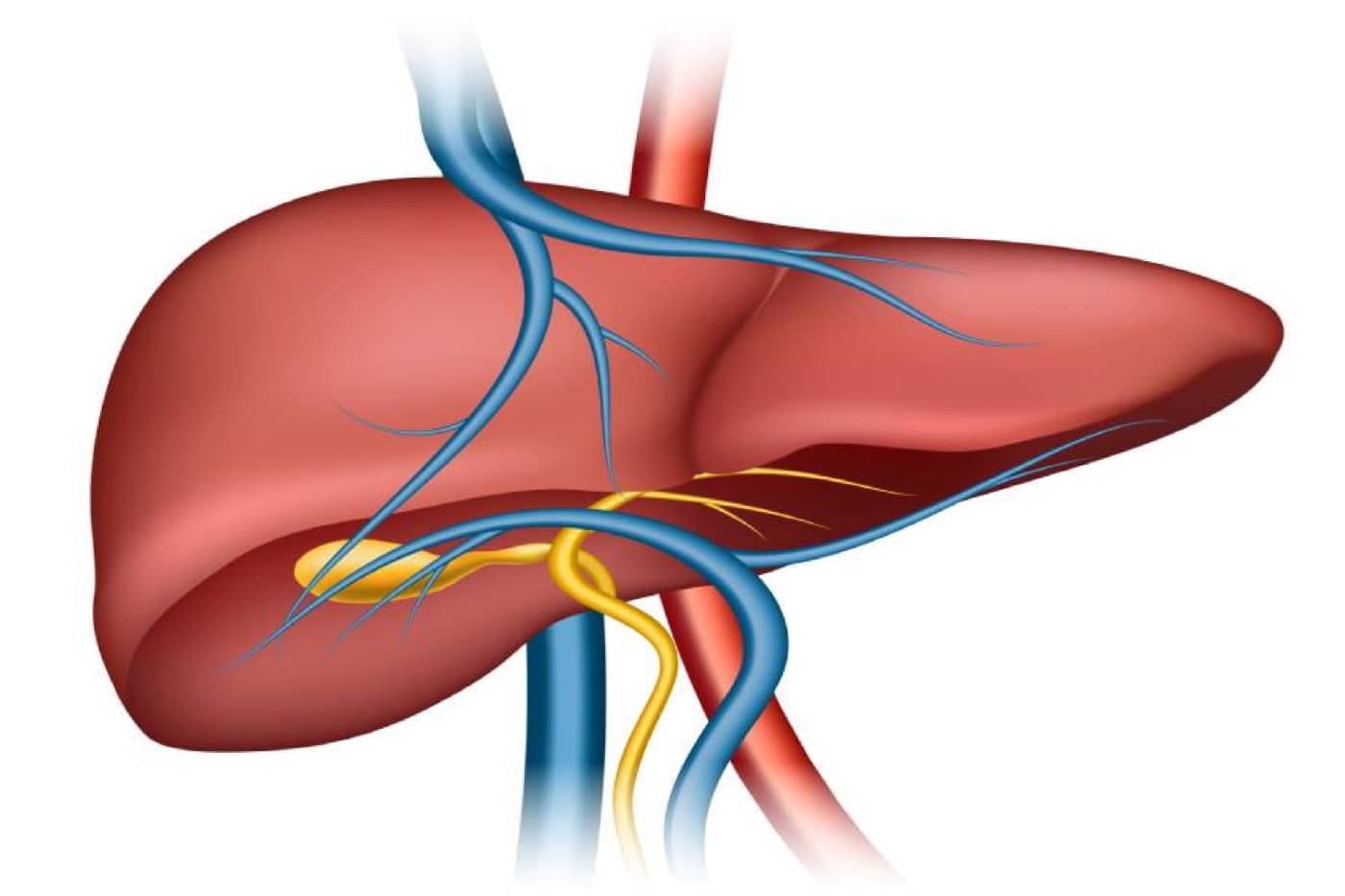
An umbilical hernia is a condition in which fatty tissue or part of the bowel pushes out through a weak point in the abdominal wall around the navel (belly button). This can cause swelling and a feeling of discomfort at the navel. An umbilical hernia can affect daily life. Seeking treatment can improve patients' lives. An umbilical hernia can develop at any age; it is common in babies and often closes on its own, whereas in adults it usually does not go away by itself. Carefully observing the symptoms is important for early diagnosis.
An Overview of Umbilical Hernia
An umbilical hernia develops as a result of weakness in the abdominal wall. In adults, factors such as pregnancy, childbirth and heavy lifting can increase this risk. Obesity, chronic coughing and chronic constipation have a similar effect by raising the pressure inside the abdomen. Weakening of the abdominal wall tissues, fluid build-up in the abdomen (ascites) and previous surgical procedures around the navel are also important causes. People who undergo umbilical hernia surgery usually recover quickly. However, everyone is different. For this reason, it is important to discuss treatment options with a doctor.
Umbilical Hernia Symptoms and Diagnosis
An umbilical hernia usually presents as a swelling or bulge that can be felt in or around the navel. The swelling becomes more noticeable when standing, coughing or straining and may get smaller when lying down. Pain or a feeling of tightness around the navel may increase when lifting something heavy or coughing. In some people it causes no symptoms at all. In the first stage, the doctor makes the diagnosis with a physical examination. When needed, imaging tests such as ultrasound, and in some cases CT, are used. These tests provide information about the size and contents of the hernia. This information determines the appropriate treatment method. Surgery is recommended depending on the size of the hernia, the symptoms and its effect on health. Sudden, severe pain at the hernia site, a swelling that becomes hard and cannot be pushed back, a change in colour, nausea and vomiting, or being unable to pass gas or stool may indicate that the hernia has become trapped; in this case, go to the emergency department without delay.
Differences Between an Umbilical Hernia and a Herniated Disc
Although their names sound similar in Turkish, an umbilical hernia and a lumbar herniated disc are completely different health problems. An umbilical hernia is the protrusion of abdominal tissue through a weak point in the abdominal wall around the navel. A lumbar herniated disc, on the other hand, is associated with degeneration and displacement of the spinal discs. A lumbar herniated disc shows itself through low back and leg pain and numbness. This is caused by pressure on the nerve roots. An umbilical hernia is characterized by swelling and pain around the navel.
A lumbar herniated disc is evaluated by neurosurgery, orthopaedics or physical medicine, whereas an umbilical hernia falls within the scope of general surgery. An umbilical hernia is usually diagnosed by physical examination and may require surgery. Knowing the differences between an umbilical hernia and a herniated disc makes it easier to see the right specialist for your complaint. For this reason, you need to be well informed to receive the correct diagnosis and treatment.
Surgical Treatments for Umbilical Hernia
An umbilical hernia is a common health problem. In some cases, surgical treatment may be necessary. Conditions such as an incarcerated (trapped) hernia may require emergency surgery. The surgical methods used include open hernia repair and laparoscopic hernia repair. Depending on the size of the defect, a mesh is commonly used in the repair. These methods relieve pain and other symptoms. After surgery, patients usually return to their normal lives within a short time. Open hernia repair is performed through a large incision. It is preferred for large or complex hernias. Laparoscopic repair, on the other hand, is performed through small incisions and repairs the hernia with the help of a camera.
The surgical methods used include open hernia repair and laparoscopic hernia repair.
This method provides faster recovery and less pain. Each surgical treatment is determined by the doctor according to the individual patient. Surgical treatments offer a chance of preventing the hernia from recurring. It is important to consult a healthcare professional to evaluate surgical treatment options for an umbilical hernia. After surgery, you can reduce the risk of the hernia recurring by doing the exercises your doctor recommends and maintaining a healthy body weight.
Alternative Treatment Methods for Umbilical Hernia
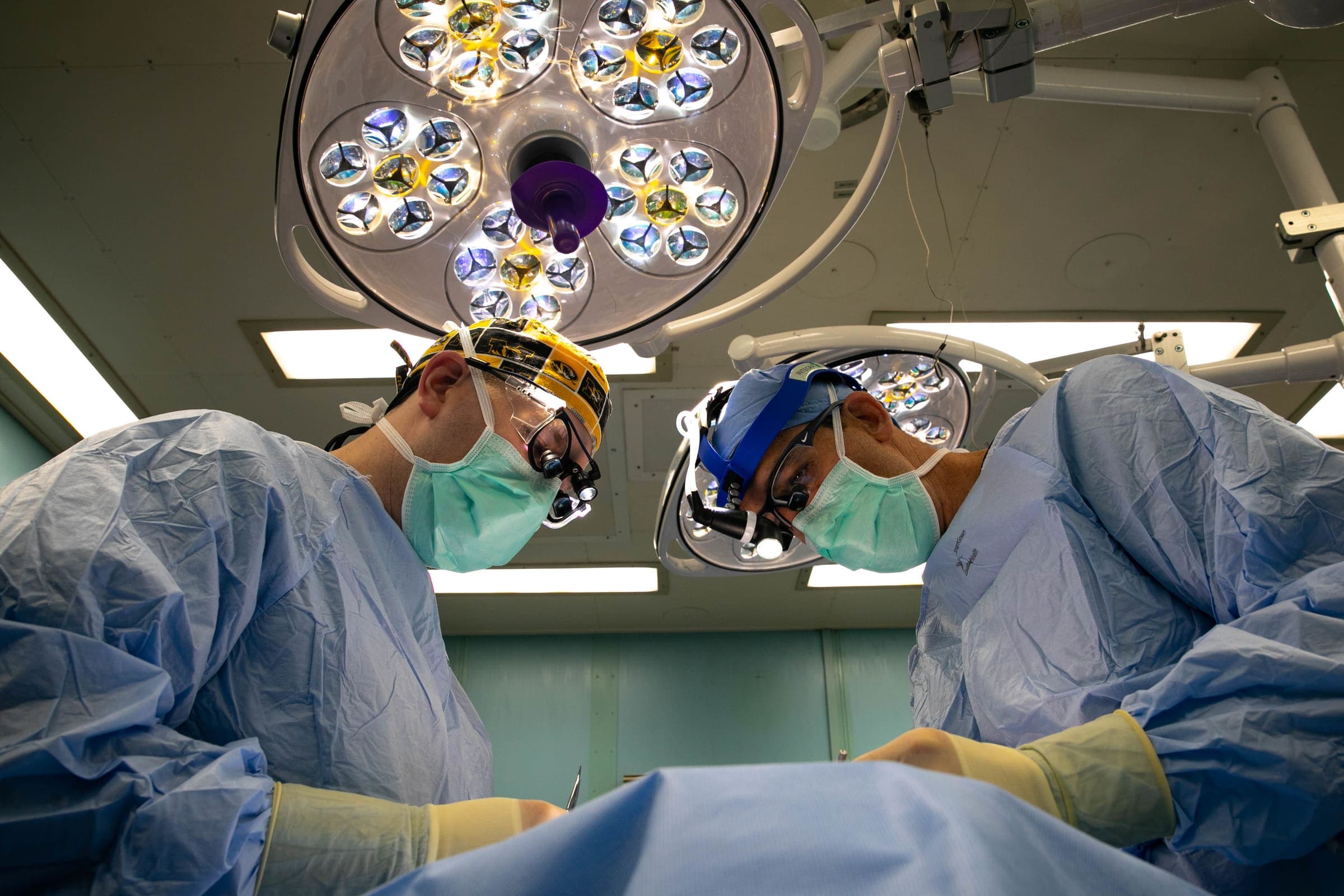

Surgery may not always be needed right away for an umbilical hernia. Especially for small hernias that cause no symptoms, monitoring under a doctor's supervision (a watch-and-wait approach) may be an option. During this period, pain management and diet-based weight control may be recommended. However, these methods do not make the hernia go away; in adults, surgery is the way to repair a hernia permanently. If the swelling grows, the pain increases or signs of trapping appear during monitoring, see a doctor without delay.
Exercise and physical therapy do not close an existing umbilical hernia; however, when done correctly, they can help strengthen the muscles that support the abdominal wall. Your doctor or physical therapist can guide you on suitable exercises that do not raise the pressure inside the abdomen excessively. Because heavy lifting and strenuous abdominal exercises can worsen hernia-related complaints, an exercise program should always be decided in consultation with your doctor.
Preventing Umbilical Hernia
Taking precautions is important to reduce the risk of an umbilical hernia. Preventing an umbilical hernia starts first with paying attention to your body and not ignoring early warning signs such as a newly noticed swelling around the navel. Strengthening the abdominal and back muscles has become a basic necessity for many of us today. This can lower the risk of an umbilical hernia by increasing the supportive structure of the muscles. Appropriate exercise programs and physical activity are among the most effective ways to strengthen the muscles and keep body weight under control.
A healthy diet is vital for managing body weight and thereby reducing pressure on the abdomen. An ideal diet should include limiting foods high in fat and eating foods rich in fiber. Conditions that can lead to an umbilical hernia, such as chronic coughing and constipation, should be treated without delay.
Learning proper techniques for lifting heavy loads and adopting correct posture in daily tasks are important for avoiding sudden, excessive increases in abdominal pressure. Still, it should not be forgotten that if an umbilical hernia is suspected, it is very important to receive professional healthcare regarding the right treatment methods. When evaluating a person's condition to make a diagnosis and offer effective treatment plans, healthcare professionals will also take personal risk factors and lifestyle into account. In this way, individualized strategies can be developed both for preventing an umbilical hernia and for overcoming existing problems.
The information on our website is not intended to direct individuals to any treatment. Do not take any diagnostic or treatment steps without consulting your doctor. The content does not contain information about İzmir Can Hastanesi's therapeutic healthcare services.