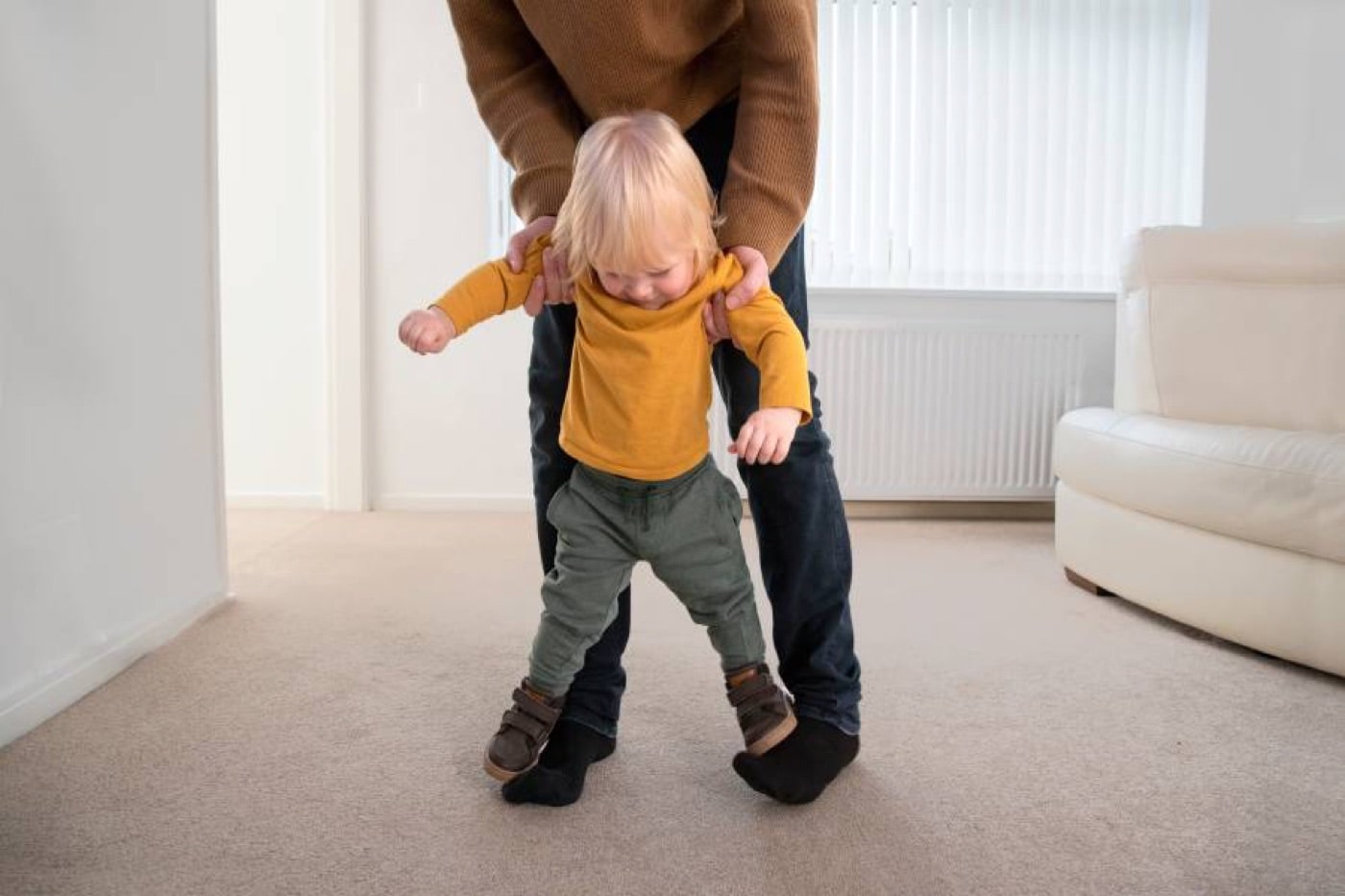
A baby's first steps are an exciting milestone for parents. However, although every baby starts walking on their own schedule, a walking disorder in babies that is not noticed in time can lead to more serious health problems later on. That is why parents in particular should be aware of the importance of early diagnosis and take action when they notice a difference in their child. At İzmir Can Hastanesi, we aim to share detailed insights so that families can recognize these signs early and be informed so that the necessary intervention can be made.
The First Signs of Walking Disorders
Signs of a walking disorder, especially in children, can sometimes be clearly visible. These conditions can be identified through a physical therapist's observations for early diagnosis. Professionals perform a gait analysis to examine the symmetry, rhythm and balance of the child's steps. Irregular steps, frequent stumbling or abnormalities in the way the feet are placed on the ground are the first signs of these disorders.
Gait analysis begins with video recording the child's walking and examining the recording. In this analysis, physical therapists evaluate parameters such as step length and speed. If an abnormality is detected, steps are taken for early intervention. Parents are informed about their child's walking patterns, and appropriate therapy methods are recommended when necessary. Every child goes through different developmental processes. When you notice clear signs of a walking disorder, consulting a specialist is the right step. In this way, early measures can be taken for your child's healthy development.
Causes and Risk Factors of Walking Disorders
There are many causes underlying walking disorders, and neurological diseases hold an important place among them. Neurological diseases can directly affect motor functions, which in turn can negatively affect the process of developing walking ability in babies and children. Conditions affecting the brain and nervous system in particular can form the basis of a walking disorder. Another important factor among the causes of walking disorders is genetic predisposition. Some walking disorders seen in parents can be passed on to their children through genetic inheritance. This is observed more often, especially in children with a family history of motor development problems.
Environmental factors can also lead to walking disorders. Factors such as unsuitable shoes, insufficient physical activity and play areas with a high risk of falls can negatively affect children's walking ability. For this reason, the child's environmental conditions and the safety of their living space are critically important for healthy motor development.
For this reason, the child's environmental conditions and the safety of their living space are critically important for healthy motor development.
Risk factors in children also include conditions such as premature birth, low birth weight and complications during pregnancy. Such factors can affect the child's overall health and development and pave the way for walking disorders. Early diagnosis and intervention are essential to minimize the negative effects of these factors. Detecting these causes early and taking appropriate measures can prevent walking disorders or reduce their effects. Families and healthcare professionals should closely monitor children's development and seek a specialist's opinion immediately if there is any abnormality.
Diagnosis and Treatment of Walking Disorders
Diagnosis of a walking disorder begins with a detailed physical examination and a review of the patient's medical history. If necessary, imaging techniques and laboratory tests are also used. After this process, the treatment methods best suited to the individual's needs are determined. Physical therapy and rehabilitation center programs focus on increasing patients' mobility and reducing pain.
The protocols applied in rehabilitation centers are personalized by taking into account the patient's current condition and needs. Special situations such as cerebral palsy rehabilitation require extra attention and expertise. These treatment methods target not only muscle coordination and strength but also speech and swallowing skills.
Healthcare professionals, especially physical therapists, play a critical role in the treatment of walking disorders. They offer a variety of treatment methods, such as the necessary exercises, assistive devices and sometimes surgery, to improve the patient's quality of daily life. The recovery process requires patience and continuous effort. However, an appropriate treatment plan and specialist support can significantly increase patients' chances of improvement.
The information on our website is not intended to direct individuals to any treatment. Do not take any diagnostic or treatment steps without consulting your doctor. The content does not contain information about İzmir Can Hastanesi's therapeutic healthcare services.