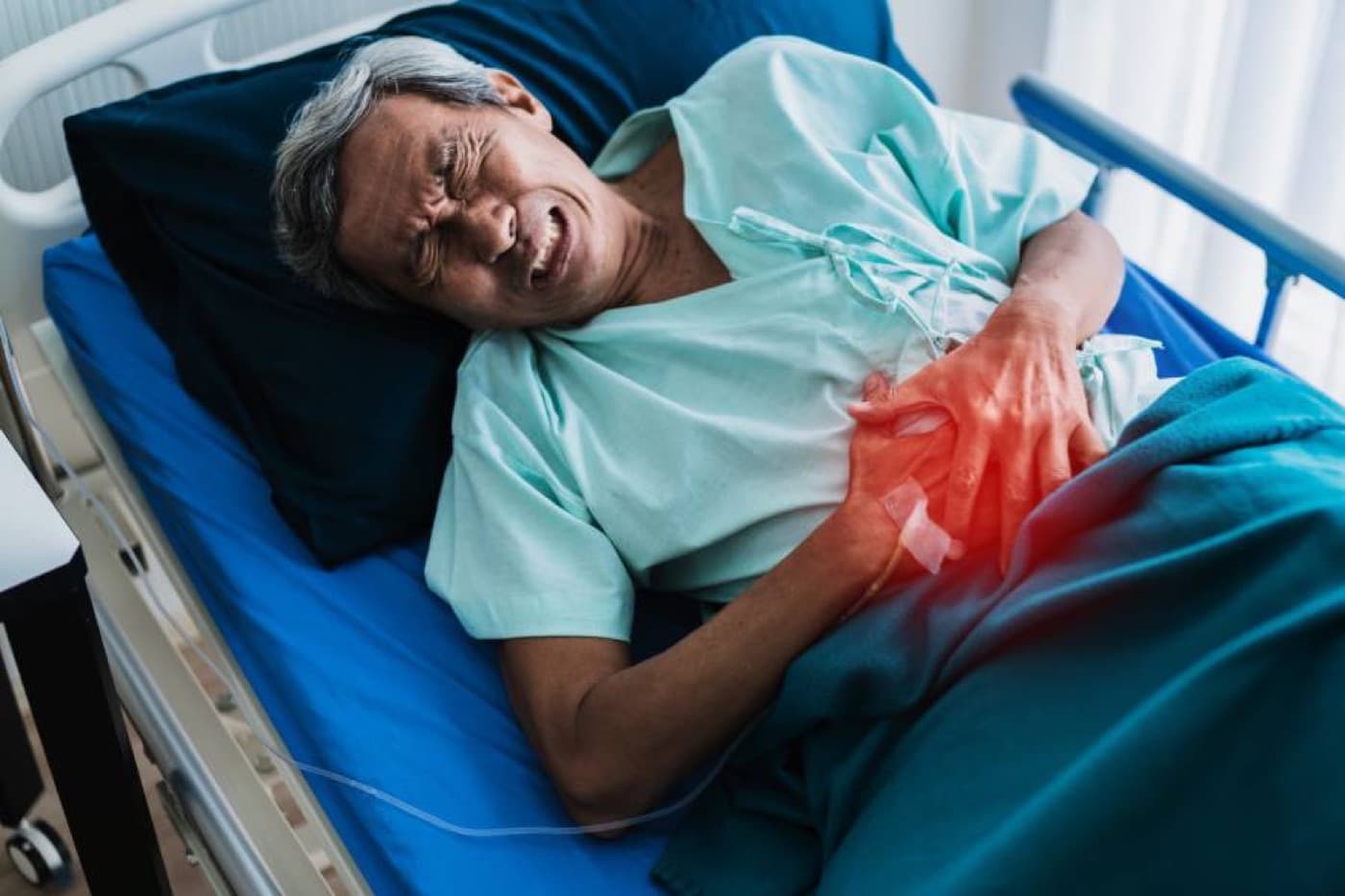
Cholecystitis is an inflammatory condition that results from a blockage in the gallbladder caused by stones. It can cause severe pain in the upper right abdomen that radiates to the back, especially after meals. We aim to offer an informative and supportive approach so that this condition does not worry you. Cholecystitis is usually associated with the gallbladder being unable to perform its function. Stones can block the flow of bile and lead to inflammation. If not treated in time, this process can cause more serious health problems. However, with early diagnosis and the right treatment methods, the condition can be brought under control.
At Can Hastanesi, we care about the health of you and your loved ones. For this reason, we aim to stand by you throughout this process by sharing accurate and up-to-date information about cholecystitis. Knowledge is the greatest strength for a healthy life.
Anatomy and Function of the Gallbladder
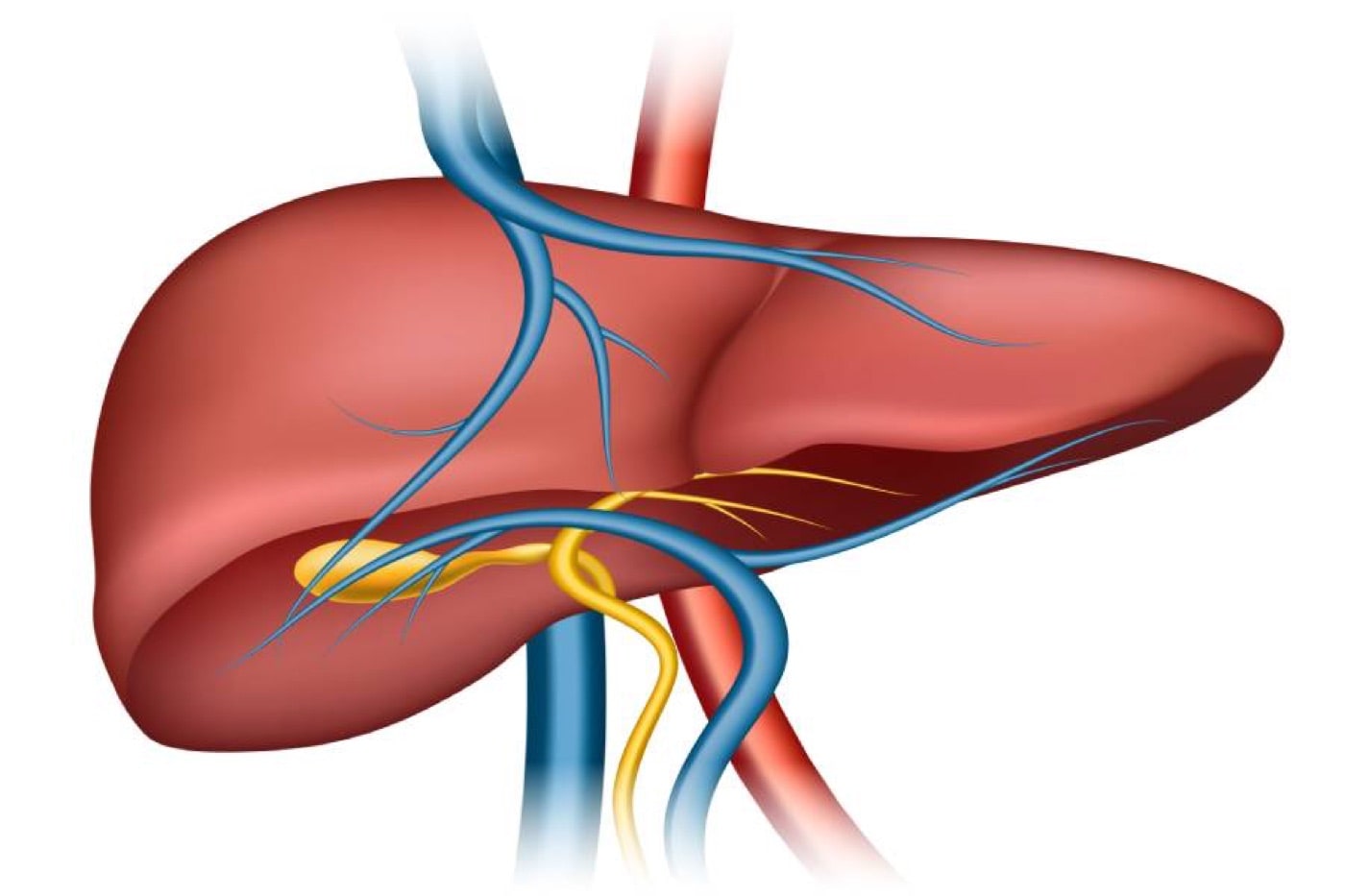
The gallbladder is a small organ located beneath the liver that plays an important role in digestion. This pear-shaped structure stores the bile produced by the liver. During digestion, this fluid is released into the small intestine and helps break down fats. The main task of this organ is to concentrate bile and deliver it to the digestive system when needed. Bile facilitates the absorption of fats, allowing digestion to take place efficiently. This process becomes active especially after meals.
The gallbladder is closely related to the stomach and intestines. For the digestive system to work properly, it is very important that this organ functions healthily. Anatomically, its location just beneath the liver facilitates cooperation between these organs.
What Causes Gallbladder Inflammation?
Gallbladder inflammation usually begins with blockages caused by stones. These stones obstruct the bile duct and stop the flow of fluid. This leads to swelling (edema) and inflammation. Stone formation results from imbalances in the composition of bile. This imbalance arises from the buildup of cholesterol or bilirubin. Over time, these deposits turn into stones and block the duct.
The blockage increases the risk of infection. Bacteria multiply in the blocked area and trigger inflammation. If left untreated, this process can cause serious complications. In rare cases, tumors or trauma can also lead to inflammation. These factors obstruct the flow of bile and start a similar process. However, such causes are less common. Environmental and genetic factors also play a role in the development of the disease. Obesity, rapid weight loss and dietary habits, in particular, can trigger stone formation. In addition, a family history can also increase the risk.
Symptoms and Diagnostic Methods of Gallbladder Inflammation
Gallbladder inflammation usually presents with severe pain that appears after meals. This pain begins in the upper right abdomen and may radiate toward the back. Patients may feel these symptoms more intensely, especially after fatty meals. Nausea and vomiting are other common symptoms of the disease. In some cases, serious symptoms such as jaundice may also appear. These symptoms can affect the patient’s general condition and reduce quality of life.
In the diagnostic process, a physical examination is the first step. The doctor evaluates tenderness and pain in the abdominal area. Ultrasonography is a method frequently used to confirm the diagnosis. This imaging technique clearly shows the presence of stones and inflammation. When necessary, advanced methods such as computed tomography (CT) or magnetic resonance imaging (MRI) may also be used. These techniques allow the disease to be examined in detail. The patient’s clinical findings and complaints are very important in the diagnostic process.
Treatment Options for Gallbladder Inflammation
During treatment, different methods are applied depending on the patient’s condition. Surgical intervention is frequently preferred, especially for blockages caused by stones. Laparoscopic surgery is considered the gold standard in this area. This method offers less pain and faster recovery. Open surgery is used in more complex cases. Both methods have advantages and disadvantages. Laparoscopy leaves smaller scars, while open surgery provides wider access. Your doctor will determine which method is suitable for you.
Medical treatment options also play an important role. Antibiotics are effective in bringing infection under control. Painkillers help make the patient more comfortable. These treatments are used in a supportive role, especially before or after surgery. In acute cases, urgent intervention is necessary. The patient’s clinical condition determines the treatment plan. If there are signs of severe pain or infection, action is taken quickly. During this process, stabilizing the patient is the priority.
These treatments are used in a supportive role, especially before or after surgery.
Recommendations for patients are very important for successful treatment. A healthy diet and regular follow-up speed up recovery.
Gallbladder Inflammation: Risk Factors and Key Points
Gallbladder inflammation is a health problem that can arise from a combination of many factors. The disease is associated with factors such as genetic predisposition and lifestyle. Obesity, liver disease and pregnancy, in particular, are among the important factors that increase the risk. Obesity can impair gallbladder function by causing fat accumulation in the body. Weight control is very important in preventing this condition. In addition, rapid weight loss can also trigger stone formation. For this reason, a balanced diet and regular exercise are recommended. Liver diseases can lead to inflammation by affecting bile production. Such diseases increase the risk, especially when they become chronic. Genetic predisposition also plays a role in the development of the disease. Individuals with a family history should be more careful.
Inflammatory markers observed in blood tests can indicate the severity of the disease. These tests are an important tool for early diagnosis and treatment. In severe cases, surgical intervention may be necessary. However, with the right precautions, this process can be brought under control.
Preventing Gallbladder Inflammation and Healthy Living
A healthy lifestyle is very important for the proper functioning of the digestive system. Balanced nutrition, adequate water intake and regular exercise are the cornerstones of this process. These steps protect gut health and support our overall health. Healthy eating improves the function of the digestive system. Fiber-rich foods, fruits and vegetables help the intestines work regularly. Avoiding fatty and processed foods is an effective way to prevent digestive problems.
Regular exercise keeps the digestive system active. Walking, yoga or light sports regulate bowel movements. They also contribute to digestive health by reducing stress levels. Water intake is critical for keeping the digestive system healthy. Drinking at least 2 liters of water a day makes it easier to eliminate toxins. This helps the intestines work properly. Taking precautions in time is a big step in preventing health problems. Regular health check-ups help detect possible risks early. This makes the treatment process easier and improves quality of life.
Care and Recovery After Gallbladder Inflammation

The postoperative recovery process is a critical stage for patients’ return to daily life. During this period, proper care and follow-up are very important. By standing by you during this process, we aim to provide the information you need to speed up your recovery. In cases of acute cholecystitis, special precautions should be taken after surgery. These precautions reduce the risk of infection and support the recovery process. Following your doctor’s recommendations is the most important step during this period.
Liver and other clinical indicators play an important role in evaluating the recovery process. Regular check-ups are necessary to monitor these indicators. In this way, possible complications can be detected early. Simple recommendations that patients can follow at home can speed up recovery. Rest, balanced nutrition and light exercise are very beneficial during this process. In addition, taking care of the wound is also important. Paying attention to what comes afterward is effective in preventing possible complications. If you have symptoms such as pain or fever, you should contact your doctor immediately. Such situations can be brought under control with early intervention.
Current Approaches and Clinical Practices
Today, the diagnostic and treatment methods used in clinical practice allow diseases to be brought under control more quickly and effectively. Imaging techniques such as ultrasonography, CT and MRI, in particular, play a major role in the early diagnosis of diseases. These methods help doctors make the right decisions. In recent years, endoscopic methods have also gained an important place in treatment. Because these techniques are minimally invasive, they speed up patients’ recovery. In addition, new treatment protocols allow diseases to be managed more effectively. Clinical findings observed in the upper right abdomen are very important in the diagnostic process. Pain and tenderness in this area help doctors turn to the right methods. In this way, the cause-and-effect relationship of diseases becomes clearer.
In clinical approaches, cooperation between the doctor, the patient and the clinical team is very important. This cooperation increases the success of the treatment process. In addition, patient information and education support the effectiveness of treatment.
Roadmap and Next Steps
The post-treatment process is a critical step for patients’ return to a healthy life. During this period, regular follow-up and the right recommendations are very important. By standing by you during this process, we aim to support your recovery. Blockages caused by stones are also an issue to watch after treatment. To prevent recurrence, it is important to adopt a healthy diet and lifestyle. Avoiding fatty foods, in particular, reduces the risks that may arise in this area.
Clinical outcomes are an important tool for evaluating the success of treatment. Regular check-ups help detect possible complications early. In this way, patients can return to their normal lives more quickly.
The information on our website is not intended to direct individuals to any treatment. Do not take any diagnostic or treatment steps without consulting your doctor. The content does not contain information about İzmir Can Hastanesi's therapeutic healthcare services.