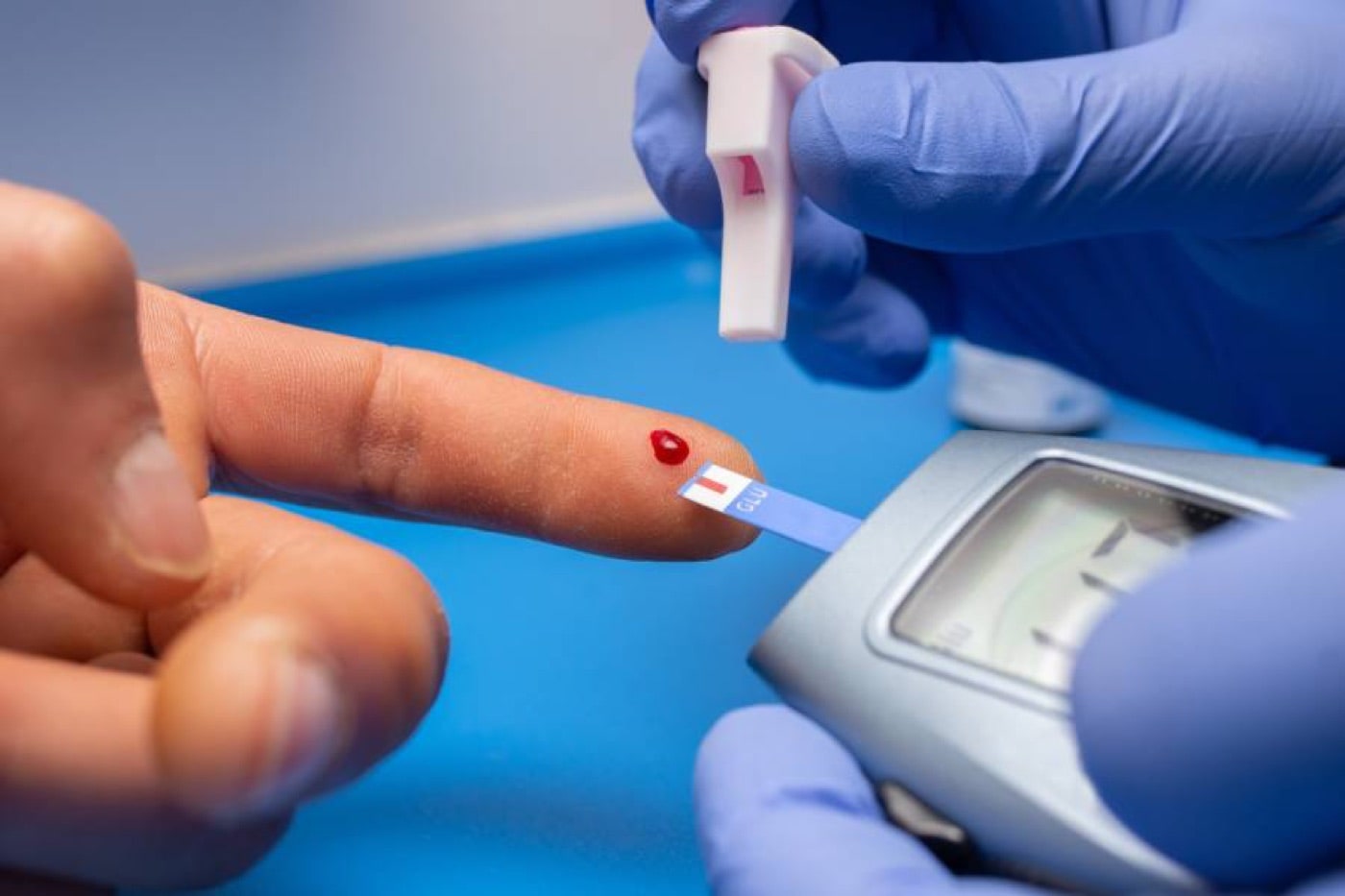
Hypoglycemia is a condition in which the blood sugar level in the body drops below normal. Blood sugar is the main source the body uses to meet its energy needs. For this reason, low blood sugar can lead to serious problems.
Normally, hypoglycemia is flagged when the blood sugar level falls below 70 mg/dL in any measurement, whether fasting or after a meal. This can occur especially during diabetes treatment or due to causes such as prolonged fasting. Hypoglycemia is a health problem that requires urgent intervention. A drop in blood sugar causes an energy deficit in the body. This presents with symptoms such as dizziness, weakness and loss of consciousness. Proper treatment and monitoring are very important in preventing hypoglycemia.
Hypoglycemia: The Basic Concept and the Role of Blood Sugar
Blood sugar serves as a fundamental source for the body’s energy production. Glucose is necessary for cells to work and for organs to carry out their functions. For this reason, keeping blood sugar levels in balance is vitally important. The pancreas regulates blood sugar by secreting the hormone insulin. Insulin allows glucose to enter cells and helps with energy production. However, excessive or insufficient use of insulin can lead to imbalances in blood sugar levels.
Medications used in diabetes treatment have a blood sugar-lowering effect. Incorrect use of these medications can cause hypoglycemia. Prolonged fasting or excessive exercise, in particular, can trigger this condition. A drop in blood sugar levels leads to an energy deficit in the body. This can cause symptoms such as dizziness, weakness and loss of consciousness. For this reason, blood sugar control is very important.
Glucose is especially critical for vital organs such as the brain and heart. A drop in blood sugar levels can adversely affect the functions of these organs. For this reason, regular measurement and monitoring are necessary for a healthy life.
Symptoms and Warning Signs of Hypoglycemia
Low blood sugar can cause various symptoms in the body. These symptoms can range from mild to severe. In the first stage, symptoms such as shakiness, sweating and palpitations may appear. These are the body’s first reactions to the energy deficit. Moderate symptoms include dizziness, irritability and loss of concentration. At this stage, the blood sugar level has dropped further and the body begins to give more serious warnings. At this point, consuming carbohydrates quickly is important.
In severe hypoglycemia, serious symptoms such as loss of consciousness, seizures and visual disturbances may occur. This situation requires urgent intervention and can be life-threatening if left untreated. People with diabetes, in particular, should be alert to such symptoms. Reactive hypoglycemia occurs when blood sugar drops rapidly after a meal. It is seen especially after eating sugary foods. Symptoms can range from mild sweating and weakness to dizziness.
Symptoms of hypoglycemia can vary from person to person. For this reason, it is important for everyone to know their own body and recognize possible warning signs. Early intervention can help prevent serious problems.
For this reason, it is important for everyone to know their own body and recognize possible warning signs.
Causes of Hypoglycemia: Diabetes and Other Factors
Incorrect use of medications during diabetes treatment can cause blood sugar to drop. Taking an overdose of insulin or antidiabetic medications, in particular, can trigger this condition. Such errors can cause blood sugar levels to fall rapidly and lead to serious problems. Apart from diabetes, excessive alcohol consumption can also lower blood sugar. Alcohol can lead to hypoglycemia by inhibiting glucose production by the liver. In addition, prolonged fasting and hormonal imbalances can also trigger this condition.
Liver and kidney diseases can make blood sugar control more difficult. These organs play a critical role in maintaining glucose balance. When disease prevents them from performing their functions, irregularities in blood sugar levels can occur. Errors in medication use and inadequate dose adjustment can increase the risk of hypoglycemia. For this reason, the right treatment plan should be followed under a doctor’s supervision. Early intervention and regular measurements can help prevent such problems.
Diabetes-related causes should be carefully examined by doctors. During treatment, correct use of medications and lifestyle changes are very important in achieving blood sugar control. In this way, the risk of hypoglycemia can be reduced.
Hypoglycemia Treatment Methods and Prevention Strategies

In cases of low blood sugar, rapid and effective intervention plays a critical role in preventing health problems. Especially for people with diabetes, this condition can be brought under control with the right treatment methods. For emergency intervention, the 15/15 rule is an effective method for raising blood sugar quickly.
The 15/15 rule involves taking 15 grams of fast-acting carbohydrates and waiting 15 minutes. Fruit juice, glucose tablets or sugary drinks can be used for this purpose. This method helps stabilize the blood sugar level quickly. Continuous glucose monitors are used to track blood sugar levels in real time. These devices work integrated with insulin pumps, making the treatment process easier. Especially for patients with diabetes, these technologies improve quality of life.
Diabetes management plans are very important for the success of treatment. Adjusting medication doses under a doctor’s supervision and taking regular measurements keep blood sugar levels in balance. In this way, the risk of hypoglycemia can be reduced. Adjusting nutrition before and after exercise plays an important role in blood sugar control. Energy needs increase during exercise, so attention should be paid to carbohydrate intake. Such lifestyle changes are effective in preventing hypoglycemia.
Glucose tablets and glucagon injections are important treatment tools for emergencies. These methods can be life-saving, especially in severe cases. Keeping such tools on hand during treatment increases safety. In conclusion, blood sugar control and the right treatment methods are very important in preventing hypoglycemia. Regular check-ups with a doctor, lifestyle changes and technological tools help patients in this process.
Achieving Balance in Life with Hypoglycemia
A balanced lifestyle plays a major role in controlling blood sugar levels. Regular meals, healthy eating and exercise are the basic steps in this process. Especially for people with diabetes, these habits increase the success of treatment. Monitoring blood sugar in daily life is an important practice. Technologies such as continuous glucose monitors make this process easier. In addition, stress management and regular sleep help maintain physical and psychological balance.
To improve quality of life, a plan supported by professional medical advice should be created. In this way, the risk of hypoglycemia can be reduced and a healthy life can be maintained.
The information on our website is not intended to direct individuals to any treatment. Do not take any diagnostic or treatment steps without consulting your doctor. The content does not contain information about İzmir Can Hastanesi's therapeutic healthcare services.