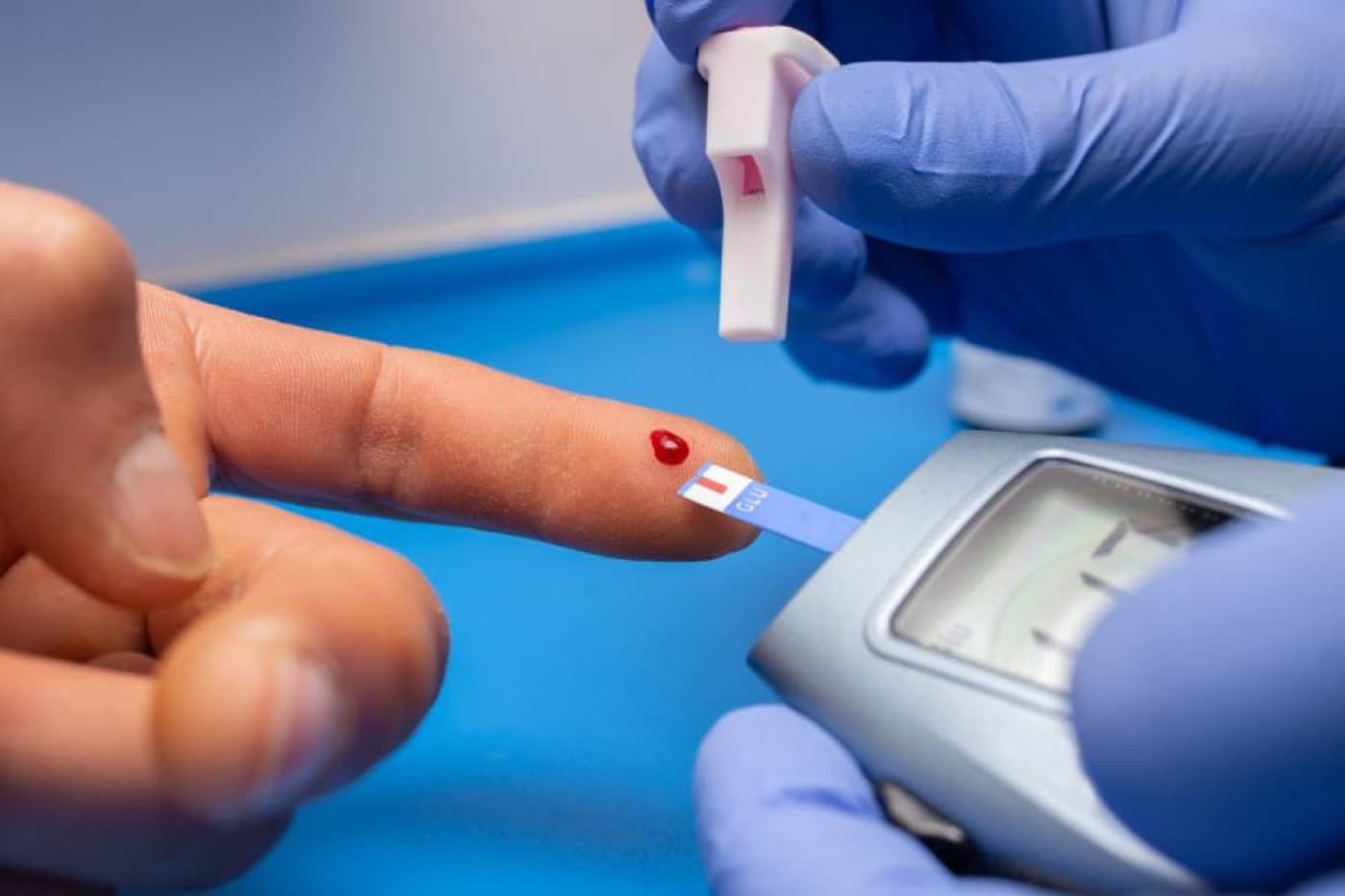
Hypoglycemia is a condition in which your blood sugar (glucose) level is lower than normal (below 70 mg/dL). Glucose is the body's main source of energy. Hypoglycemia is usually associated with diabetes treatment. However, hypoglycemia can also occur in people who do not have diabetes.
What Are the Symptoms of Hypoglycemia?
- Irregular or rapid heartbeat,
- Fatigue,
- Pale skin,
- Anxiety,
- Sweating,
- Irritability,
- Hunger,
- Numbness of the cheeks, lips and tongue,
- Personality changes,
- Aggressive behavior,
- Blurred vision,
- Falls,
- Motor vehicle injuries,
- Fluctuating consciousness,
- Seizures.
When Should I See a Doctor?
Patients with diabetes should always receive education about hypoglycemia. If hypoglycemia (low blood sugar) does not improve despite simple first-aid measures, you must seek care at a healthcare facility. In addition, people without a diabetes diagnosis who experience symptoms of hypoglycemia should see a healthcare provider without delay.
Causes of Hypoglycemia (Low Blood Sugar)
Normally, the sugar (glucose) in the food we eat enters our organs and tissues with the help of insulin, a hormone secreted by the pancreas. This is how our body gets its energy. Excess glucose is also stored in the muscles and liver, again through the action of insulin. This stored glucose is used to balance falling blood sugar levels during the day when we are not eating. The body can also make glucose during prolonged fasting. This is why blood sugar does not drop after 7–8 hours of sleep.
Possible Causes of Hypoglycemia in Patients with Diabetes
- Eating less than usual after taking insulin,
- Eating less than usual or exercising more than usual after taking diabetes medication.
Possible Causes in Patients Without Diabetes
- Medications, such as the malaria drug quinine,
- Alcohol: drinking heavily without eating can prevent your liver from releasing stored glucose into the bloodstream and cause hypoglycemia,
- Prolonged fasting,
- Eating disorders such as anorexia nervosa,
- Liver failure,
- Kidney failure,
- Excess insulin production, such as from an insulinoma, overgrowth of pancreatic islet cells or an increase in hormones with insulin-like effects,
- Cortisol or growth hormone deficiency.
Postprandial Hypoglycemia: Hypoglycemia After Meals
Hypoglycemia sometimes occurs after meals. This condition, called reactive hypoglycemia, can also be seen after sleeve gastrectomy or gastric bypass surgery.
Hypoglycemia Unawareness
When hypoglycemia occurs frequently, the brain sometimes stops producing the warning symptoms of low blood sugar. When this happens, the risk of severe, life-threatening hypoglycemia increases.
In patients with diabetes, frequent hypoglycemic episodes can make it harder for them to stick to their treatment. Do not stop your treatment without consulting your doctor. A personalized treatment plan can be created. One option for people with hypoglycemia unawareness is a continuous glucose monitor (CGM). Some models will alert you when hypoglycemia develops, so that you can take action early.
Diagnosis of Hypoglycemia (Low Blood Sugar)
Reactive hypoglycemia is diagnosed by measuring blood sugar levels hourly, sometimes after a meal with an appropriate calorie content and sometimes after drinking a sugar solution. In reactive hypoglycemia that does not improve despite treatment, and in fasting hypoglycemia, a prolonged fasting test may be performed. When necessary, imaging (CT, MRI, endoscopic ultrasound [EUS]) is carried out.
Treatment of Hypoglycemia (Low Blood Sugar)
For hypoglycemia, there is the 15/15 rule. Eat or drink something that contains 15 grams of fast-acting carbohydrate (such as one glass of fruit juice). Check your blood sugar after 15 minutes and repeat until it rises above 70 mg/dL. Once it is above 70 mg/dL, be sure to eat a snack or meal containing complex carbohydrates to prevent hypoglycemia from recurring. If hypoglycemia is accompanied by impaired consciousness, you will need emergency medical help.
The treatment of hypoglycemia varies depending on the underlying cause. If the cause is a pancreatic tumor that produces excess insulin, such as an insulinoma, the treatment is surgery.
The information on our website is not intended to direct individuals to any treatment. Do not take any diagnostic or treatment steps without consulting your doctor. The content does not contain information about İzmir Can Hastanesi's therapeutic healthcare services.