What is obesity?
Obesity is a complex disease involving an excessive amount of body fat. Obesity is not just a cosmetic concern. It is a medical problem that increases the risk of diseases such as heart disease, diabetes, high blood pressure and certain cancers. BMI (body mass index) is calculated by dividing body weight in kilograms by the square of height in meters (kg/m2). A person with a BMI of 30 kg/m2 or higher has obesity. However, BMI does not directly measure body fat, so some people, such as muscular athletes, may have a BMI in the obesity category even though they do not have excess body fat.
What are the risk factors for obesity?
- Family history
- Physical inactivity
- Certain diseases, such as Cushing's disease and rheumatoid arthritis
- Certain medications, such as antipsychotics and corticosteroids
- Eating habits
- Lack of sleep
- Pregnancy
- Gut microbiota
What are the complications of obesity?
- Heart disease and stroke
- Type 2 diabetes
- Certain cancers, such as breast and uterine cancer
- Sleep apnea
- Sexual problems, such as erectile dysfunction and reduced sex drive
- Osteoarthritis
- Depression
- Reduced performance at work
- Social exclusion
Can obesity be prevented?
Weight gain can be prevented with regular exercise and an appropriate diet program. Being consistent (sticking to your program even on holidays), checking your weight weekly and keeping a daily diary of what you eat, how much and when all help with weight control.
150–300 minutes of moderate-intensity physical activity per week is recommended; swimming and brisk walking are suitable activities.
Try to follow a realistic eating plan based on your dietitian's recommendations; programs such as crash diets, high-protein diets and ketogenic diets are not appropriate. In a healthy diet plan, 55–60% of total calories should come from carbohydrates, 12–15% from protein and 25–30% from fat.
How is obesity diagnosed?
A thorough medical history and physical examination are enough to make the diagnosis in most patients.
During the physical examination, weight, height and waist circumference are measured.
BMI is calculated.
A waist circumference of ≥88 cm in women and ≥102 cm in men indicates android-type obesity (apple-shaped obesity, central obesity). In this type of obesity, which is associated with increased abdominal fat, the risk of developing cardiovascular disease and diabetes is very high. A waist circumference of <80 cm in women and <94 cm in men is recommended to minimize disease risk.
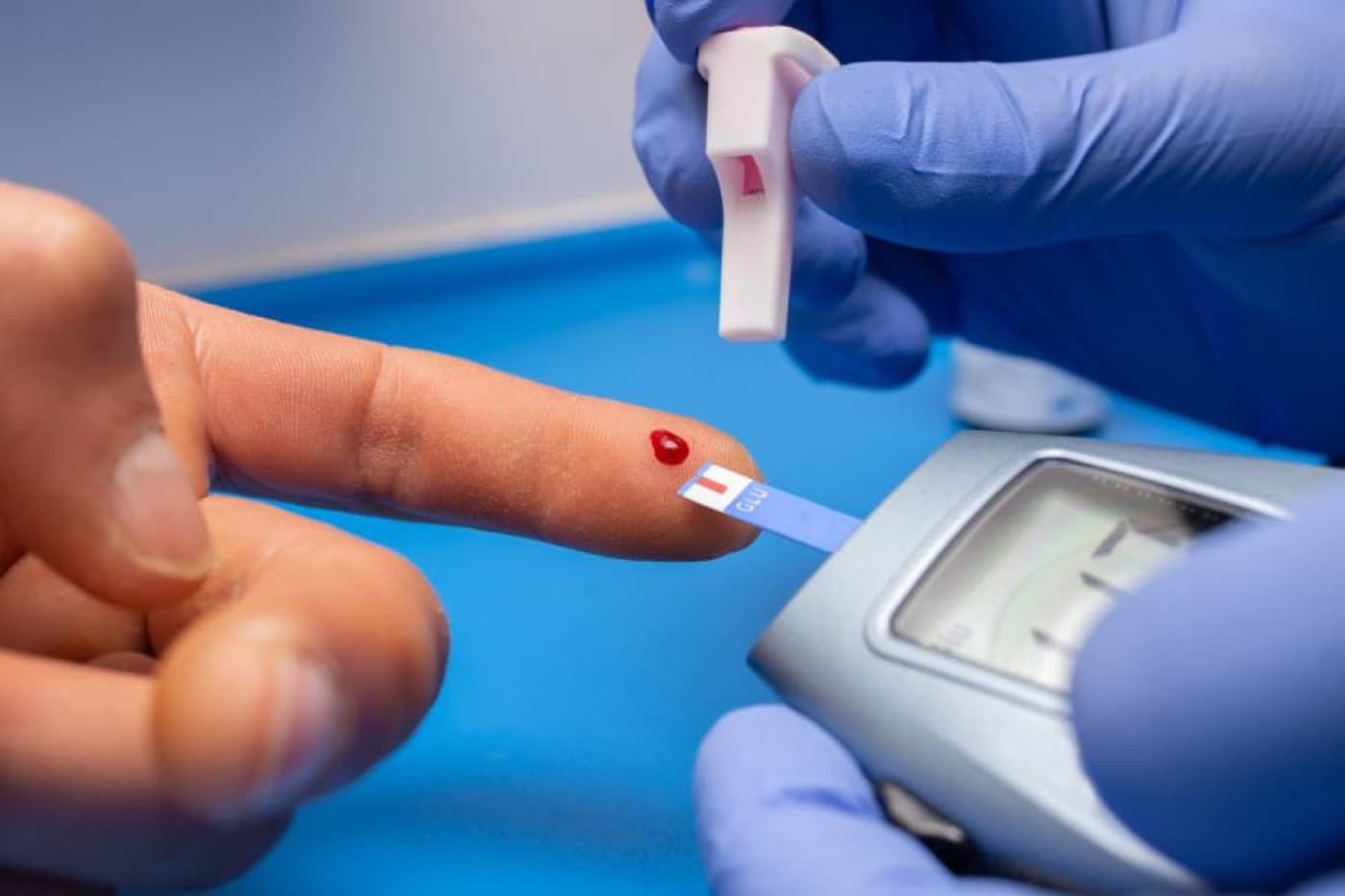
Blood tests will be requested to determine the treatment approach, detect other conditions and assess the function of the endocrine glands that may cause obesity.
How is obesity treated and monitored?
The goal of obesity treatment is to reach a healthy weight and stay there. This improves your overall health and reduces your risk of developing obesity-related complications. To achieve this goal, you may need to see a dietitian, a psychologist and an endocrinologist. Even a weight loss of about 5–10% provides noticeable health benefits. However, the more weight you lose, the greater the benefits.
All weight-loss programs require changes to your eating habits and an increase in physical activity. The treatment methods that are right for you depend on the severity of your obesity, your overall health and your willingness to lose weight.
What dietary changes are recommended for obesity?
Reducing calories and adopting healthier eating habits are essential to overcoming obesity. Steady weight loss over the long term is considered the safest way to lose weight. To increase your chances of success, you need to take part in a comprehensive weight-loss program lasting at least six months. A daily intake of 1,200–1,500 kcal for women and 1,500–1,800 kcal for men helps with weight loss.
What kind of physical activity is recommended for obesity?
150–300 minutes of moderate-intensity physical activity per week is recommended; swimming and brisk walking are suitable activities. A daily step count of 10,000 steps is recommended.
Is there medication for obesity?
Medications can be used in obesity treatment to improve the success of diet and exercise.
Keep in mind that using medications, herbal products or slimming teas that are not approved by the Turkish Ministry of Health and whose exact contents are unknown can cause serious health problems.
What Is Obesity Surgery?
In recent years, obesity surgery, known as bariatric surgery, has been used increasingly often to treat obesity. Bariatric procedures are surgical techniques that achieve weight loss by reducing the stomach's volume to limit food intake, by shortening and/or bypassing the segment of the intestine where food is absorbed, or by combining both approaches.
The standard and most commonly performed bariatric procedures are gastric bypass, sleeve gastrectomy, adjustable gastric banding and biliopancreatic diversion with duodenal switch. Each of these methods has its own advantages and disadvantages.
Obesity surgery may be considered in selected patients with a body mass index > 40 kg/m2, or with a body mass index >35 kg/m2 and an obesity-related condition (such as coronary artery disease, diabetes mellitus, hyperlipidemia, hypertension, sleep apnea, or degenerative osteoarthritis or spinal disc disorders that limit mobility). However, even if the above criteria are met, obesity surgery is not recommended for people who have another disease or condition that would make the operation high-risk.
What Should You Pay Attention to Before and After Obesity Surgery?
The patient's evaluation before surgery should be carried out by a team experienced in obesity surgery, made up of an endocrinologist, a general surgeon, an anesthesiologist, a psychiatrist and a dietitian. The preoperative evaluation should include psychological, behavioral, physical, gastrointestinal, pulmonary, cardiovascular, endocrine and metabolic assessments. In addition to standard preoperative tests, testing for rare causes of obesity should also be done if clinical findings call for it.
Patients should remain in long-term follow-up so that any nutritional deficiencies that develop after the operation can be addressed and appropriate weight loss can be achieved. Depending on the type of surgery performed, food intolerances and the volume and texture of food that can be eaten may vary.
However, the general rule is to start with clear liquids during the first few days after the operation and move on to soft, liquid foods by about the end of the second week. Over time, the diet can gradually progress to soft foods and then, depending on the patient's tolerance, to solid foods.
Although it depends on the type of operation, all patients who have had obesity surgery need to take daily vitamin and mineral supplements and be monitored periodically for possible vitamin and mineral deficiencies. Changes may also be needed to diabetes, blood pressure and cholesterol-lowering medications after the operation.
In addition, many surgical and non-surgical problems can develop in the short and long term, especially in patients who are not properly followed up. For this reason, it is important for patients who have had surgery to be followed by general surgeons, endocrinologists and dietitians experienced in this field, both to lose weight healthily and to prevent weight regain.
The information on our website is not intended to direct individuals to any treatment. Do not take any diagnostic or treatment steps without consulting your doctor. The content does not contain information about İzmir Can Hastanesi's therapeutic healthcare services.