
Because it sits in the middle of the face, the nose is a structure that largely determines a person's appearance. The nose consists of the outermost skin and soft tissues, along with bone, cartilage and ligamentous supporting tissues. The nose has the functions of breathing, humidification, filtration, temperature regulation and protection. These functions are regulated by the septum, the turbinates and the nasal valves.
Rhinoplasty is a cosmetic surgical procedure performed to improve the appearance and function of the nose. Also known as nose surgery, rhinoplasty is chosen to correct both appearance and breathing problems. The shape, size, position and symmetry of the nose can be reshaped with rhinoplasty. During surgery, the bone and cartilage structure of the nose is restructured to achieve the desired appearance. Rhinoplasty can be performed not only for cosmetic purposes but also to resolve functional problems.
Rhinoplasty can be performed on patients who have reached physical and psychological maturity and whose nasal structure and tissues have completed their development. Nose surgery can be performed both to achieve aesthetic goals and to correct breathing difficulties by straightening deviations inside the nose.
In communication between people, we have many facial expressions and ways of expressing ourselves that allow us to convey who we are and positively influence how others perceive us. The harmony between the structures of our face is of great importance for these expressions. A careful review of the existing anatomy and an adequate analysis of the nose and face before surgery are key factors for a successful result.
There are two different approaches in modern rhinoplasty: open and closed. Both approaches have advantages and disadvantages. We often prefer the open rhinoplasty technique because it provides better visualization of the factors involved in the cause of the cosmetic deformity, and of the causes of nasal framework and airway obstruction. This technique is preferred especially for complex nasal tip modifications, secondary (revision) cases, and cases where internal and external deforming forces need to be released further. Rhinoplasty can be performed under general anesthesia or under intravenous sedation with local anesthesia.
Cosmetic nose surgery can further enhance a patient's appearance and thus increase their self-confidence. The most suitable candidates for cosmetic nose surgery are patients who expect their appearance to become more attractive and to change for the better. Complications (unwanted outcomes) after surgery are rare and usually minor. Nevertheless, complications such as nosebleeds, infection or a reaction to anesthesia are possible.
When the surgery is complete, a cast splint is placed on the nose, and silicone splints are placed in the two nasal passages to stabilize the septum. Any manipulation of the nose, such as wiping or blowing it, is not recommended for the first three weeks after surgery. The nasal splint is kept dry during this early period. The hair is washed by leaning back over a sink with someone's help.
On the day of surgery, oral intake is started with a liquid diet, and the patient moves to a soft solid diet the following day. Foods that may require excessive mouth movement should be avoided for the first two weeks.
Nasal congestion (a feeling of fullness), which lasts a few weeks, is treated with saline sprays.
Stitches and the nasal splint can be removed within the first week. The nose may be swollen and upturned, and the patient may notice numbness at the nasal tip, but it should be explained that these will resolve within a few months. Patients are advised to limit sports and activities during the first month.
Considering both the aesthetic importance of the nose in a person's facial anatomy and its functional value as the main organ of breathing, it is clear how important any surgery on the nose is for the individual.
As the organ of breathing, the nose can be affected by deviations (curvatures) in the nose, tissue growths inside the nose (polyps and turbinate hypertrophy) and nostrils that obstruct airflow; these can cause not only breathing problems but also many other health problems, such as chronic headaches, sinusitis and sleep apnea. For this reason, function and aesthetics should be evaluated together in cosmetic nose surgery.
An aesthetically perfect nose may not always bring a person happiness. This is because rhinoplasty can give a person's nose a new shape, but it cannot completely change their life. This is also a matter of psychological perception.
Before any surgery, the patient's complaints and level of expectation should be thoroughly evaluated. Patients whose complaints are proportionate to the degree of their deformity are suitable candidates for surgery. A systematic and comprehensive nasofacial analysis is performed to determine the surgical plan. The nose is evaluated as part of the face as a whole. The type, thickness and structure of the nasal skin are included in this evaluation.
How Is Rhinoplasty Surgery Performed?
Rhinoplasty is a surgical procedure performed to improve the appearance of the nose. This surgery aims to achieve a more aesthetic appearance by correcting the shape, size and symmetry of the nose. Cosmetic nose surgery is planned and performed in line with the person's facial features and proportions. During nose reshaping, areas such as the nasal hump, the nasal tip, the nostrils and the nasal bridge are worked on. The surgeon makes the most suitable changes based on the patient's wishes and facial structure. Rhinoplasty is usually performed under general anesthesia and takes an average of 2–3 hours.
Cosmetic nose surgery can provide functional as well as visual benefits. In some cases, problems such as a crooked nose or septal deviation can also be corrected with rhinoplasty. This makes breathing easier for the patient and improves quality of life.
After rhinoplasty, a marked improvement is seen in the nose. Although the healing process varies from person to person, patients can usually return to daily activities within 1–2 weeks. Full recovery, however, can take several months. During this time, regular doctor visits and care recommendations should be followed. When performed by an experienced, specialist plastic surgeon, cosmetic nose surgery gives very successful results. By improving the appearance of your nose with rhinoplasty, you can boost your self-confidence and lead a happier life.
The nasal structure to be designed is decided jointly by the patient and the physician.
- In cosmetic rhinoplasty, the nose is made smaller or larger, and the nasal tip is reshaped.
- A hump on the nasal bridge can be removed.
- The angle between the nose and the upper lip can be made proportionate.
- In some cases, however, structures of the face other than the nose (such as the chin, cheekbones and forehead) may need to be corrected at the same time to create the right relationship between the face and the nose.
- Surgical methods fall into two groups: closed and open rhinoplasty.
CLOSED RHINOPLASTY
It is performed from inside the nostrils.
OPEN RHINOPLASTY
The procedure is performed through a small incision in the area that separates the nostrils.
The procedure is performed through a small incision in the area that separates the nostrils.
The nasal hump is removed during surgery. In open rhinoplasty, an incision is made at the nasal tip, whereas in closed rhinoplasty the incision is made on the inner cartilage.
What Are the Benefits of Rhinoplasty?
Rhinoplasty not only improves the appearance of the nose but also helps resolve many health problems. The most important of its aesthetic benefits is increased self-confidence. Rhinoplasty creates a more symmetrical and proportionate nose, bringing harmony to the face. This allows the person to feel better and be more active in their social life.
The benefits of rhinoplasty are important not only aesthetically but also for health. Breathing problems reduce many people's quality of life. Rhinoplasty improves airflow by correcting the structures inside the nose, resulting in better breathing. In this way, it also helps resolve breathing problems such as sleep apnea and chronic sinusitis.
In addition, rhinoplasty can correct deformities caused by nasal trauma. Cosmetic problems in the nose resulting from accidents or injuries can be corrected with rhinoplasty. Congenital nasal deformities can also be corrected with this operation.
Rhinoplasty offers many benefits in terms of both appearance and health. While its aesthetic benefits improve a person's quality of life, it also helps resolve health problems, for example by improving breathing. With rhinoplasty, it is possible to have a more attractive and healthier nose.
Who Is a Candidate for Rhinoplasty?
Rhinoplasty candidates are people who are unhappy with the shape or function of their nose. Individuals who are generally 18 or older and whose nasal development is complete are among those suitable for rhinoplasty. Candidates also include people with health problems such as difficulty breathing, chronic sinusitis or sleep apnea. These people can benefit significantly from rhinoplasty.
It is important for rhinoplasty candidates to have realistic expectations and to be in good general health. People whose nose has been damaged by trauma are also among those suitable for rhinoplasty. Candidates should undergo a detailed evaluation with their doctor before surgery to determine whether rhinoplasty is right for them.
- If, in terms of nasal and facial anatomy, the nose is too large or too small for the face,
- If the nose looks very wide from the front,
- If the nasal tip droops,
- If the nasal wings (alae) are wide and thick (boxer's nose),
- If the nostrils are too wide or too narrow,
- If the nose is crooked or deviated (deviation),
- If there is an asymmetric appearance due to an accident or trauma,
- If you have difficulty breathing or have sleep apnea,
you should consult a specialist experienced in rhinoplasty.
How Is the Rhinoplasty Operation Performed?
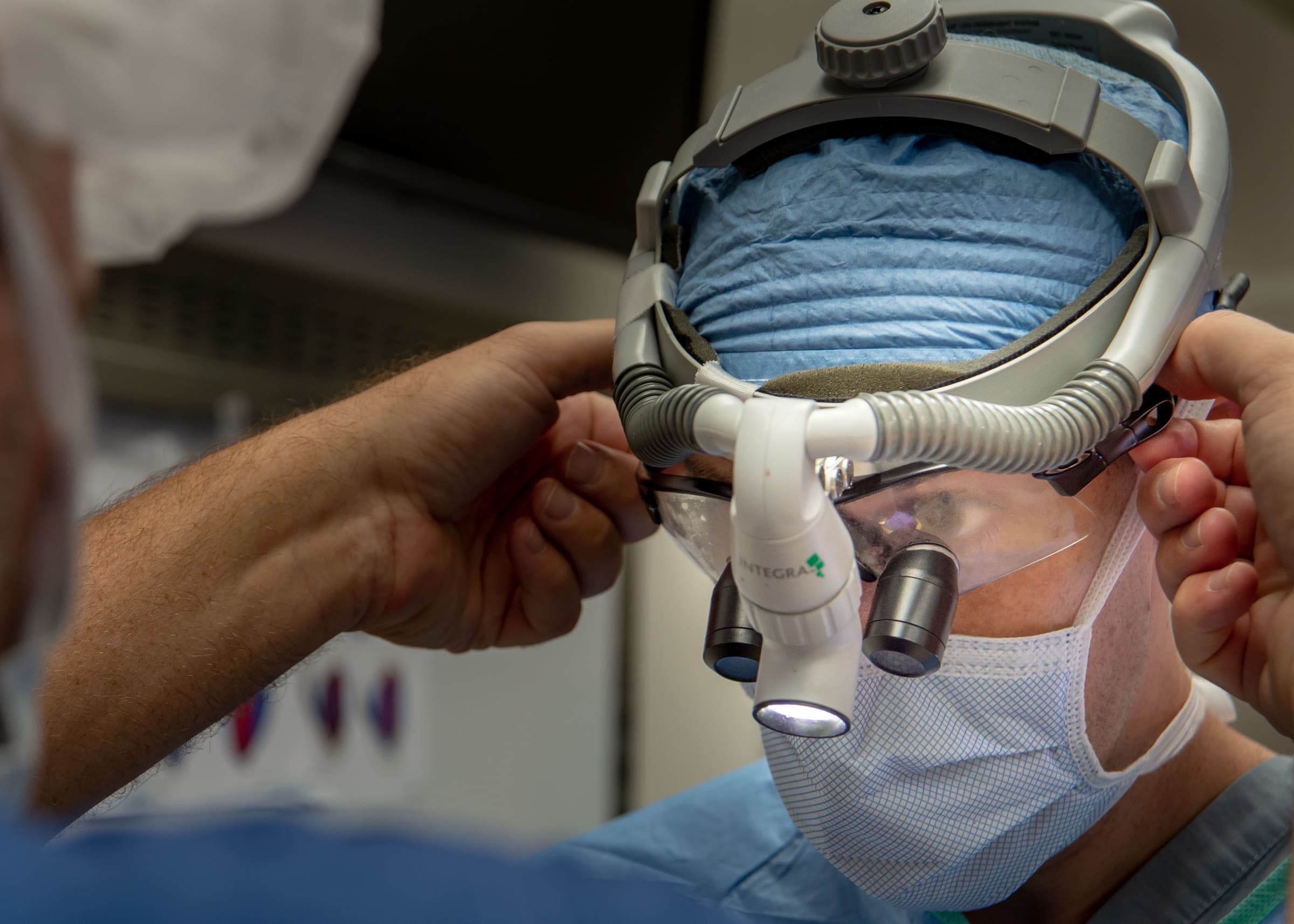

The rhinoplasty operation is a cosmetic nose surgery performed under general anesthesia. The surgeon chooses the most suitable technique based on the patient's needs and expectations. Rhinoplasty can be performed using a closed or open technique.
In the closed technique, the surgeon accesses the nasal structure through incisions inside the nose and makes the necessary changes. This method leaves less visible scarring and offers a shorter recovery time. In the open technique, an incision is made across the columella at the base of the nose, and the nasal skin is lifted to reach the nasal framework. This technique allows the surgeon to see the nasal structure more clearly and make more extensive changes.
During the rhinoplasty operation, the surgeon reshapes the bone and cartilage structure of the nose into the desired form. The bony structure is reshaped by breaking (osteotomy) or rasping, while the cartilage structure is restructured by cutting and suturing or by using grafts. These procedures are performed to reduce the size of the nose, change its shape or correct functional problems.
Cosmetic nose surgery usually takes 2–3 hours. After the operation, packing is placed inside the nose and a cast or splint is applied to the outside. This helps the nose maintain its new shape and reduces swelling during healing. The patient is kept under observation for a while after surgery and then discharged home.
Recovery After Rhinoplasty
Recovery after rhinoplasty can differ for each patient. In general, however, swelling, bruising and pain may occur during the first few days after surgery. During this period, applying cold compresses helps reduce swelling. You can also take the painkillers recommended by your surgeon.
Key points of care after rhinoplasty include protecting the surgical area and preventing infection. The packing inside the nose is usually removed 1 week after surgery. The cast or splint is removed after about 1–2 weeks. During this time, it is important to protect your nose from impacts and avoid strenuous activities.
Full recovery after rhinoplasty can take 6–12 months. During this time, the shape and appearance of your nose will gradually improve. Regular check-ups and following your surgeon's instructions are important for a smooth recovery. Being patient and giving the results time are among the key points to keep in mind after rhinoplasty.
Risks and Complications of Rhinoplasty
Like other surgical procedures, rhinoplasty carries certain risks and possible complications. These include general problems such as bleeding, infection and anesthesia complications. Although rare, rhinoplasty risks also include asymmetry of the nose, difficulty breathing and loss of sensation. Although complications of cosmetic nose surgery are generally uncommon, outcomes can differ for each patient.
Smoking is an important risk factor for rhinoplasty side effects and complications. Smoking can adversely affect healing and lead to problems such as infection, bleeding and delayed wound healing. For this reason, it is important to avoid smoking before and after rhinoplasty.
Choosing an experienced and qualified plastic surgeon is critical to minimizing the risks of rhinoplasty. A specialist surgeon has the skills and knowledge needed to prevent complications of cosmetic nose surgery and achieve successful results. In addition, carefully following pre- and post-operative instructions will help reduce the side effects of rhinoplasty.
Choosing the Right Rhinoplasty Surgeon
The choice of rhinoplasty surgeon is one of the most important factors directly affecting the success of cosmetic nose surgery. To find a good rhinoplasty surgeon, the surgeon's training, experience and expertise should be carefully evaluated. A successful rhinoplasty specialist offers solutions tailored to each patient's unique needs, drawing on knowledge and skills gained over many years.
When choosing your rhinoplasty surgeon, it is very important to research past patient experiences and satisfaction rates. Do not hesitate to ask about the techniques the surgeon uses, operating room conditions and hygiene standards. You should also have a detailed consultation with your surgeon before the operation to discuss your expectations and possible risks openly. This way, you can determine the most suitable treatment plan for you and move forward with confidence.
The information on our website is not intended to direct individuals to any treatment. Do not take any diagnostic or treatment steps without consulting your doctor. The content does not contain information about İzmir Can Hastanesi's therapeutic healthcare services.