Astigmatism is a refractive error caused by an irregular curvature of the cornea or lens of the eye, resulting in blurred vision. This condition prevents light from focusing properly on the retina. Astigmatism is a common eye problem that can affect people of all ages. There are different types of astigmatism, and each has its own characteristic symptoms. The causes of astigmatism include genetic factors, eye injuries and certain eye diseases. Astigmatism can be diagnosed with a comprehensive eye examination. Treatment options include glasses, contact lenses and astigmatism surgery.
What Is Astigmatism?
Astigmatism is one of the refractive errors of the eye. It is caused by the cornea or lens having an irregular shape. Normally these structures are round, but in people with astigmatism they may take on an oval or irregular shape. This prevents light from focusing properly on the back of the eye and causes blurred vision.
Astigmatism is defined as the eye refracting light at two different focal points. This leads to images that are not sharp and appear distorted. As for what causes astigmatism, it is usually a congenital condition. However, astigmatism can also develop after eye injuries or eye surgery. The degree of astigmatism depends on how irregular the cornea or lens is. Mild astigmatism may not affect daily life, but moderate and high astigmatism can significantly reduce the quality of vision. For this reason, it is important for people with astigmatism to have regular eye examinations and follow appropriate treatment methods.
Types of Astigmatism
The different types of astigmatism arise depending on the shape and location of irregularities in the structure of the eye. The most common types of astigmatism include regular astigmatism, irregular astigmatism and mixed astigmatism. These types are classified according to the irregularity of the curvatures on the cornea or the lens of the eye. In regular astigmatism, the curvature of the cornea or lens differs along two axes perpendicular to each other. This impairs image sharpness and causes blurred vision. In irregular astigmatism, on the other hand, the curvature of the cornea or lens is distributed irregularly. This type of astigmatism usually results from eye trauma or surgical procedures and significantly affects the quality of vision.
In mixed astigmatism, one meridian of the eye is myopic, focusing light in front of the retina, while the meridian perpendicular to it is hyperopic, focusing light behind the retina. In this case, the image is not focused exactly on the retina along either meridian. Mixed astigmatism can make vision problems more complex. Other types of astigmatism include corneal astigmatism and lenticular astigmatism. Corneal astigmatism is caused by irregularities in the cornea, while lenticular astigmatism is caused by differences in curvature of the lens of the eye. Each type of astigmatism has different effects on vision and requires appropriate treatment methods.
Symptoms of Astigmatism
The vision disorder caused by astigmatism is characterized by blurred vision. Loss of clarity at near and far distances, distorted images and a feeling of tiredness in the eyes are the most common of these symptoms. These symptoms can vary at different times of the day and can lead to eye strain. Headaches due to astigmatism occur as the eyes constantly try to focus. Headaches are especially common after prolonged reading, computer use or watching television.
Pain and a burning sensation around the eyes are also among the symptoms of astigmatism. When the eyes make excessive effort, the eye muscles become strained and a feeling of discomfort develops. These symptoms may increase further toward the end of the day. Depending on the degree and type of astigmatism, the severity of symptoms can vary from person to person. While symptoms are more pronounced in people with irregular astigmatism, those with regular astigmatism may experience milder symptoms. Early diagnosis and appropriate treatment can bring astigmatism symptoms under control and improve quality of life.
While symptoms are more pronounced in people with irregular astigmatism, those with regular astigmatism may experience milder symptoms.
Causes of Astigmatism
Astigmatism is usually a congenital condition, and hereditary factors contribute significantly to it. If the parents have astigmatism, the likelihood of their children having it also increases. There are other factors that lead to astigmatism as well. Eye injuries can cause astigmatism to develop. Trauma that changes the shape of the cornea can cause astigmatism to appear or existing astigmatism to worsen. Complications of eye surgery can also cause astigmatism. Changes in the curvature of the cornea after cataract surgery can lead to astigmatism. Some corneal diseases can also pave the way for astigmatism. Diseases such as keratoconus, which cause the cornea to thin and take on an irregular shape, can contribute to the development of astigmatism. However, in some cases, the exact cause of astigmatism cannot be determined.
Diagnosis of Astigmatism
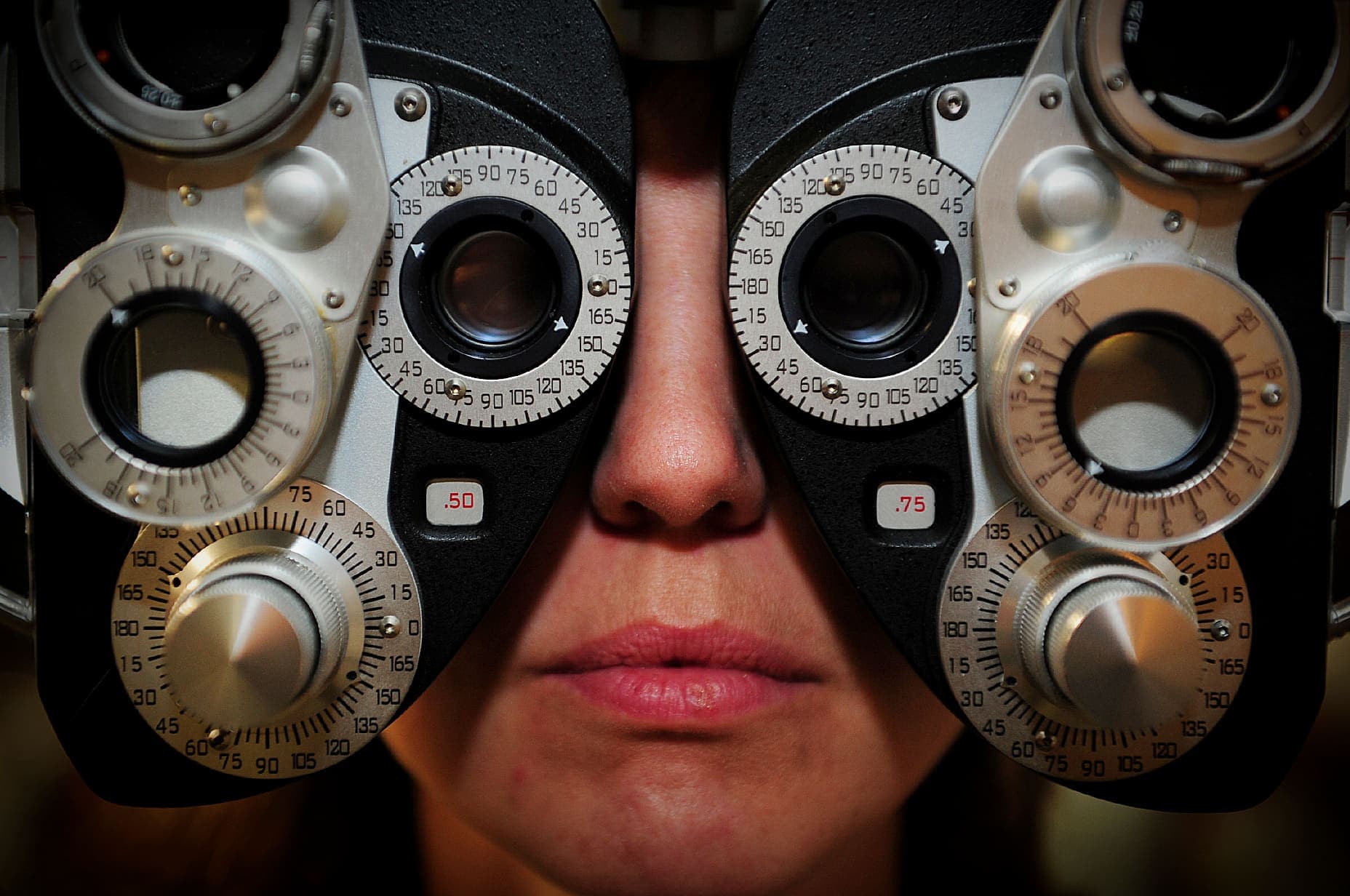

Astigmatism is diagnosed with a comprehensive eye examination. During this examination, eye care specialists use various methods to determine the degree and type of astigmatism. The eye examination for astigmatism includes a refraction test that measures visual acuity. This test assesses how well the eyes refract and focus light. Other important methods used in diagnosing astigmatism include topography and keratometry. Corneal topography maps the shape and curvature of the cornea in detail. This map shows the location and severity of the astigmatism. Keratometry, on the other hand, measures the curvature of the cornea to determine the degree of astigmatism.
In recent years, wavefront analysis has also come to play an important role in diagnosing astigmatism. Wavefront analysis evaluates the entire optical system of the eye and shows how light is refracted and focused in the eye. In addition to astigmatism, this analysis helps detect other vision disorders as well. Thanks to these diagnostic methods, eye care specialists can accurately determine the type, degree and location of astigmatism. This information is used to create a personalized treatment plan for each patient. Regular eye examinations and appropriate diagnostic methods enable early detection and effective treatment of astigmatism.
Treatment Methods for Astigmatism
Various strategies are used in the treatment of astigmatism. Glasses, contact lenses and laser surgery for astigmatism are among the most common options. The choice of method is made by the eye doctor, taking into account the degree of astigmatism and individual preferences. Glasses for astigmatism correct the condition using special lenses. These lenses sharpen the image and improve the quality of vision. Contact lenses for astigmatism are used as an alternative to glasses. These lenses correct astigmatism by resting on the surface of the eye and provide a wide field of vision.
Laser surgery for astigmatism offers a permanent solution. Techniques such as LASIK, PRK and ReLEx SMILE can correct astigmatism by reshaping the cornea. These methods are known for their high success rates and fast recovery times. However, each patient's suitability should be evaluated with an eye examination. Astigmatism treatment requires an individualized approach. It is important to consult an eye care specialist to determine the most suitable treatment method. With regular eye examinations and the right treatment, the vision problems caused by astigmatism can be managed effectively.
If left untreated, astigmatism can affect every aspect of daily life. Symptoms such as blurred vision, headaches and eye strain reduce work performance and the quality of social interactions. This can directly and negatively affect quality of life.
Astigmatism makes it harder to carry out daily functions. Basic activities such as reading, writing, using a computer and driving become more difficult because of astigmatism. This reduces a person's productivity in both their work and private life. The psychological effects of astigmatism cannot be ignored either. Blurred vision and eye strain have a negative impact on self-confidence and motivation. Appropriate treatment methods should be applied to minimize the negative effects of astigmatism on quality of life. After treatment, clear vision and a higher quality of life can be achieved.
The information on our website is not intended to direct individuals to any treatment. Do not take any diagnostic or treatment steps without consulting your doctor. The content does not contain information about İzmir Can Hastanesi's therapeutic healthcare services.