Scoliosis is defined as a sideways curvature of the spine that deviates from its normal structure. This condition can significantly affect a person's overall posture and appearance. Scoliosis is more common in children and adolescents. Early diagnosis of scoliosis allows it to be brought under control with appropriate treatment methods and prevents it from progressing. Signs of scoliosis include asymmetry in the shoulders, waist or hips, such as one shoulder being higher than the other or one shoulder blade being more prominent. The causes of scoliosis may include congenital causes, genetic factors, neuromuscular diseases or injuries. However, in many cases of scoliosis, no definite cause can be identified.
What Are the Symptoms of Scoliosis?
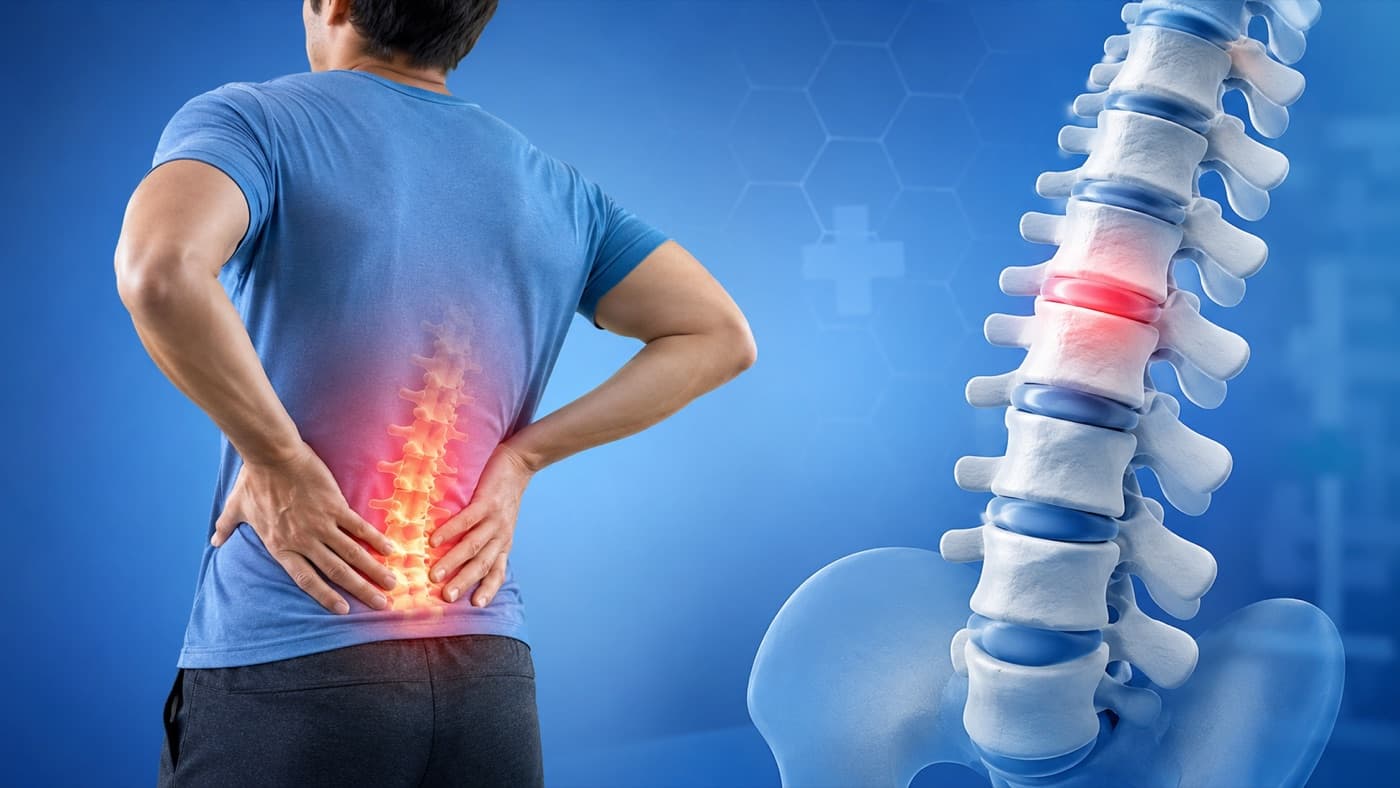
Scoliosis is a condition in which the spine shows an abnormal curvature. This curvature is usually toward the sides of the spine, and the symptoms of scoliosis can vary from person to person. Visible changes in body posture are among the most common signs of scoliosis. Signs of spinal curvature include the shoulders being at different heights and differences in waist level. The hollow of the lower back is also part of this postural disorder. As scoliosis progresses, these changes can become even more noticeable. Back pain is common in people with scoliosis. The curvature of the spine causes tension in the muscles and ligaments. This pain is usually felt in the lower back or in the area of the curvature. In severe cases of scoliosis, deformity of the rib cage causes difficulty breathing. The curvature of the spine prevents the lungs from working at full capacity and causes shortness of breath. Early diagnosis of scoliosis is critically important for the success of treatment. Regular spinal checkups and paying attention to the symptoms of scoliosis are the first steps to take to prevent or slow the progression of the condition.
Causes of Scoliosis
The causes of scoliosis are complex, and it can be difficult to offer a clear explanation. Genetic predisposition, congenital anomalies and neuromuscular diseases are among the most common factors that increase the risk of scoliosis. Genetic factors show that scoliosis runs in families and that if the parents have scoliosis, the risk increases in their children. Congenital scoliosis can develop as a result of structural abnormalities that arise during the development of the spine. These anomalies affect the shape and alignment of the vertebrae, leading to scoliosis. Neuromuscular diseases are conditions that affect the muscles and nervous system, and they can lead to scoliosis by causing muscle imbalance and weakness.
Idiopathic scoliosis is a condition for which no clear cause can be found. Idiopathic scoliosis is common in growing children and adolescents. This condition causes imbalances during the growth and development of the spine, leading to scoliosis. Early diagnosis and monitoring of scoliosis are critically important for identifying risk factors. Regular orthopedic examinations allow scoliosis to be detected at an early stage and the necessary treatment approaches to be planned. In this way, the progression of scoliosis is brought under control and possible complications are prevented.
Regular orthopedic examinations allow scoliosis to be detected at an early stage and the necessary treatment approaches to be planned.
Diagnosis of Scoliosis
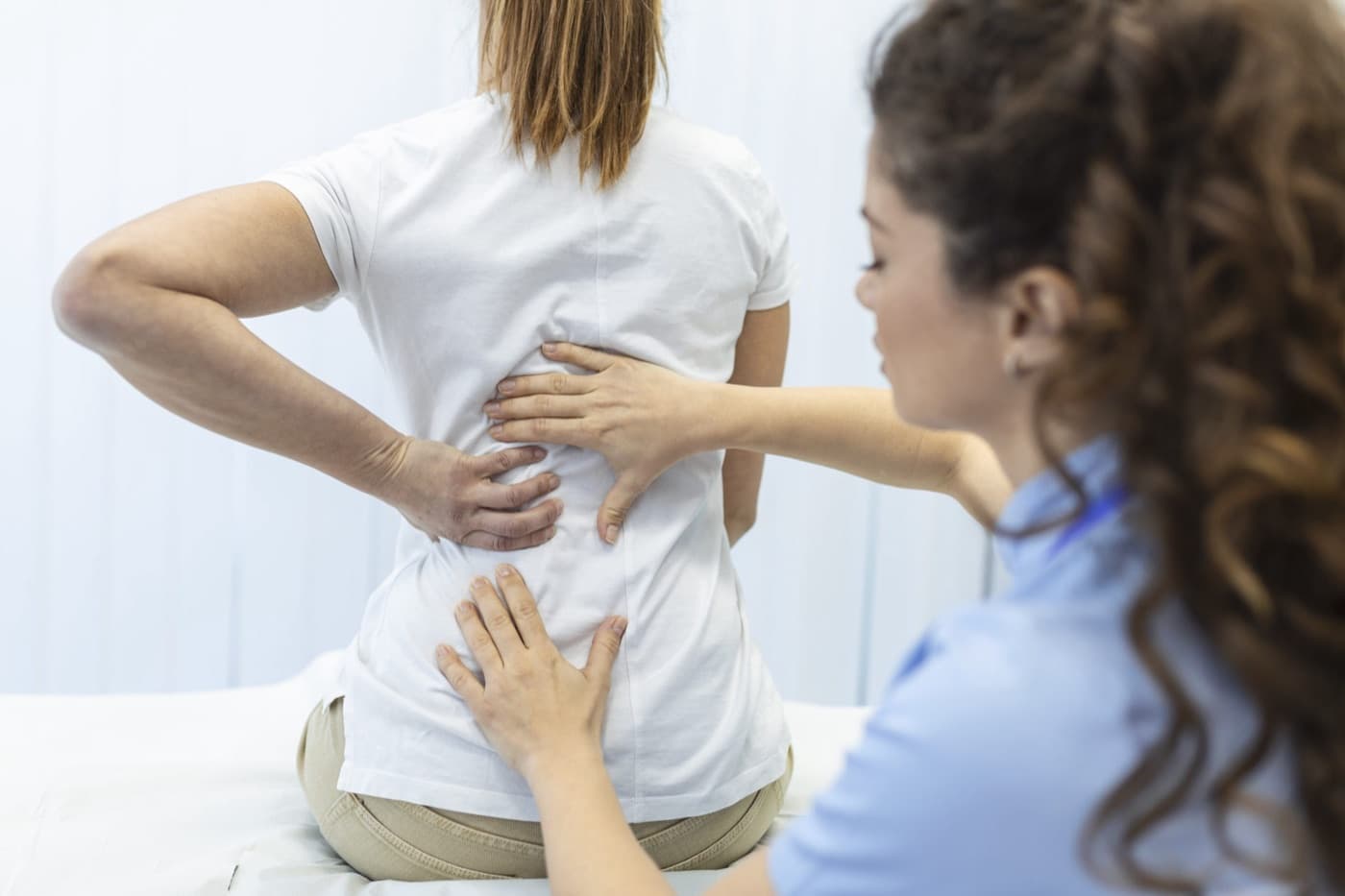
Early diagnosis of scoliosis is vitally important for the success of treatment. Scoliosis is diagnosed through a detailed physical examination and various screening tests. During the examination, the alignment of the spine, shoulder and hip levels, the hollow of the lower back and trunk rotation are assessed. Among scoliosis screening tests, scoliometer measurement is the most commonly used. The scoliometer is a simple screening tool that measures trunk rotation (asymmetry of the rib cage or lower back) when the person bends forward. The degree of the curve itself is determined by measuring the Cobb angle on a standing X-ray.
Scoliosis imaging methods are used for a detailed assessment of scoliosis. X-ray imaging is a fundamental method for determining the degree and type of scoliosis. In some cases, MRI (magnetic resonance imaging) or CT (computed tomography) scans may also be needed. A diagnosis of scoliosis is made following a detailed evaluation by a specialist physician. Early diagnosis is of great importance for preventing the progression of scoliosis and determining appropriate treatment methods.
Scoliosis Treatment
In the treatment of scoliosis, the degree of curvature and the patient's age play a decisive role. In mild cases, regular monitoring and scoliosis exercises are usually sufficient. However, in more severe cases, a scoliosis brace or surgery may be required. The choice of treatment method depends on the developmental stage of the spine and the progression of the curvature. Conservative treatment approaches include physical therapy and rehabilitation. Special exercises correct postural disorders by increasing the flexibility of the spine. A scoliosis brace prevents the curvature from progressing, especially in growing children. The brace keeps the spine upright, ensures proper posture and maintains muscle balance. In advanced scoliosis, surgery may be required. Scoliosis surgery corrects the curvature of the spine and restores balance. During the operation, screws are usually placed in the vertebrae and connected with metal rods, fixing the spine in its corrected position. After surgery, regular follow-up and rehabilitation are important. In the treatment of scoliosis, early diagnosis and choosing the appropriate treatment methods are critical. Treatment carried out by a specialist team improves the quality of life of patients with scoliosis.
Living With Scoliosis: Recommendations and Exercises
To improve their quality of life, people with scoliosis should follow recommendations on exercise, nutrition and physical activity. Scoliosis exercises contribute to better posture by increasing the flexibility and strength of the spine. Regular stretching and strengthening exercises slow the progression of scoliosis and relieve pain. Nutrition is critically important for the health of people with scoliosis. A diet rich in calcium and vitamin D supports bone health. Being overweight puts additional stress on the spine; for this reason, a healthy body weight should be maintained. In summary, living with scoliosis becomes more manageable with the right exercises, nutrition and physical activity. Regular follow-up and appropriate lifestyle changes allow people with scoliosis to lead healthier and more active lives.
The information on our website is not intended to direct individuals to any treatment. Do not take any diagnostic or treatment steps without consulting your doctor. The content does not contain information about İzmir Can Hastanesi's therapeutic healthcare services.