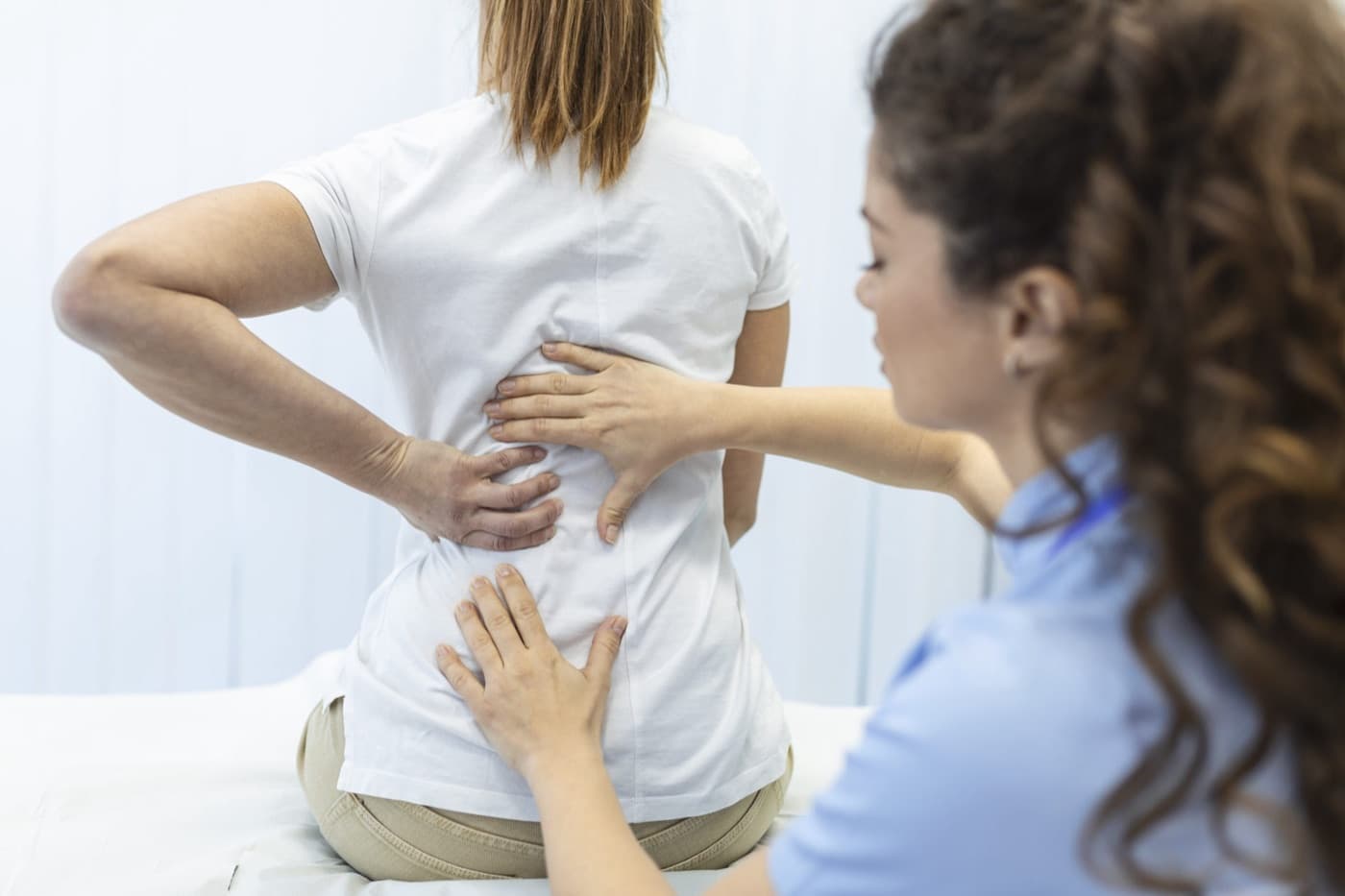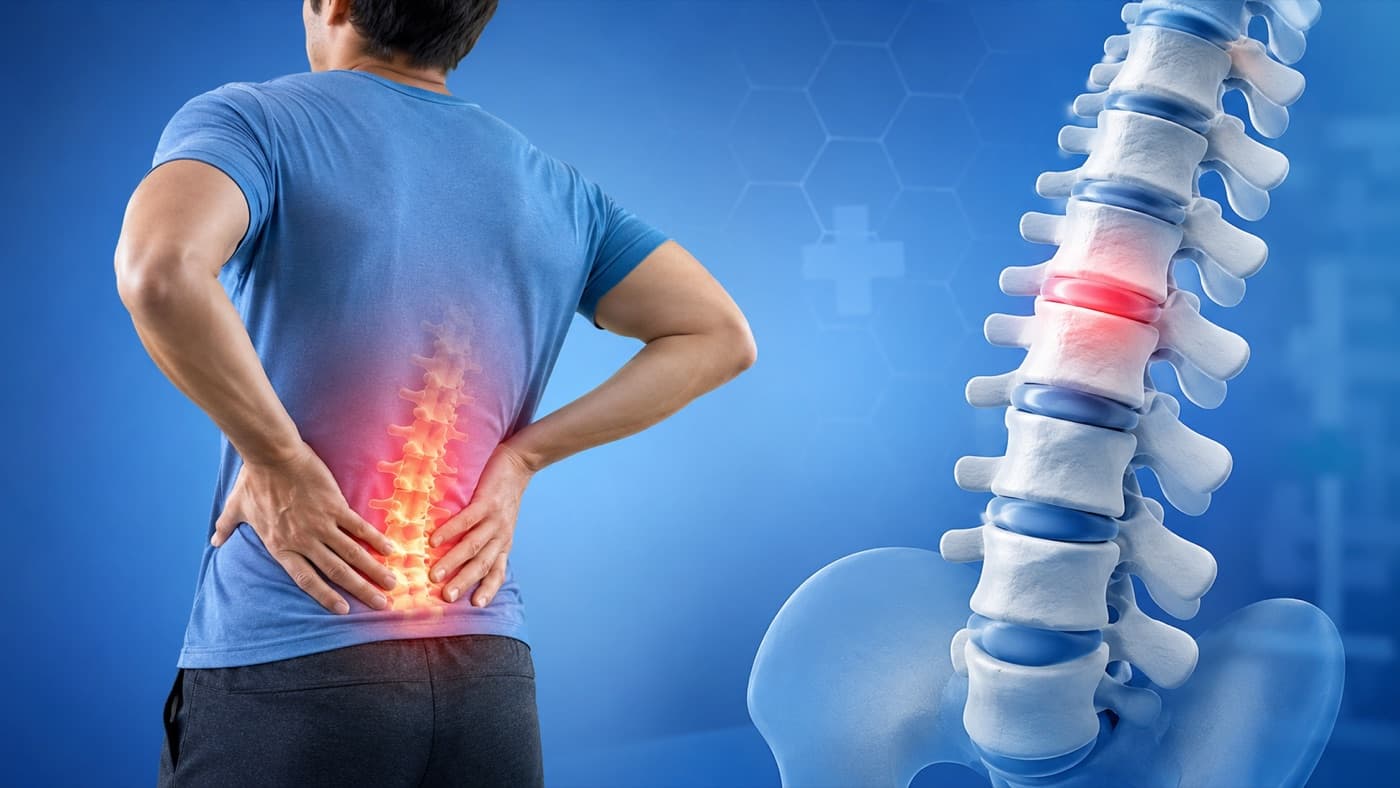
A herniated disc in the neck is one of the most common health problems today. What are the symptoms of this widespread condition, which affects the quality of life of so many people, and how does it affect our daily lives? A herniated disc in the neck usually presents as neck pain, which can spread to the shoulders and arms over time. Symptoms of cervical disc herniation include restricted movement, numbness and weakness.
These symptoms can cause difficulties in everything from people's work to their social lives. Early diagnosis and the right treatment methods are therefore very important. By informing you about the most common symptoms of a herniated disc in the neck, we aim to help the condition be recognized early.
What Is a Herniated Disc in the Neck and How Does It Develop?
A herniated disc in the neck is also known as cervical disc herniation. This condition threatens spinal health and affects quality of daily life. Pressure from the discs on the spinal cord or nerve roots causes neck pain and restricted movement. A herniated disc in the neck develops as a result of degenerative changes in the discs between the vertebrae: the structure of the discs deteriorates and their flexibility decreases. Age, poor posture and excess weight accelerate these changes, and genetic factors also increase the risk. Trauma and injuries can cause a herniated disc in the neck; traffic accidents, falls and sports injuries damage the disc structure. Lifestyle factors such as computer use, poor sleeping positions and strenuous activities also increase the risk.
There are treatment methods for a herniated disc in the neck, but preventive measures to protect spinal health are also important. Regular exercise, correct posture and ergonomic working conditions reduce the risk.
Sudden-Onset Symptoms and Their Link to a Herniated Disc in the Neck
A herniated disc in the neck begins with acute neck pain, which is sudden and severe. The pain radiates from the neck and shoulders to the arms and upper back. Cervical radiculopathy is caused by a herniated disc in the neck and occurs when nerve roots are compressed. Patients have difficulty moving their neck and feel numbness or tingling in the hand. A herniated disc in the neck causes sudden and serious symptoms that affect daily life, so it is important to receive timely treatment.
If patients have pain and loss of motor function, emergency care is needed. Cervical radiculopathy indicates a herniated disc in the neck, and this condition requires more comprehensive treatment.
Symptoms of a Herniated Disc in the Neck and Their Severity
As a common condition, a herniated disc in the neck presents with different types of pain and levels of severity. Pain levels in a herniated disc in the neck can affect daily life. The pain spreads along the neck, arms, shoulders and back. Neuropathic pain is caused by nerve damage and produces sensations such as burning, numbness or electric shocks. This pain results from compression or irritation of the nerves. A herniated disc in the neck impairs nerve function and causes pain signals to be transmitted abnormally. This can turn into chronic neck pain. Chronic pain lowers quality of life and requires pain management strategies. Physical therapy, exercise, pain relievers and surgical interventions may be used, and these methods should be tailored to the individual.
Chronic Conditions and the Long-Term Effects of a Herniated Disc in the Neck
When a herniated disc in the neck is left untreated or inadequately treated, it can lead to long-term complications of cervical disc herniation. Among these complications, cervical spondylosis is very common. Cervical spondylosis is characterized by wear and tear of the bones and discs in the neck. It causes stiffness and pain in neck movements and sometimes weakness in the arms and legs. Another serious complication is myelopathy. Myelopathy results from compression of the spinal cord and causes neurological problems.
When a herniated disc in the neck is left untreated or inadequately treated, it can lead to long-term complications.
A long-standing herniated disc in the neck, especially in advanced stages, can increase pressure on the spinal cord and raise the risk of myelopathy. These chronic conditions can directly affect patients' quality of life. Early diagnosis and an effective treatment plan are important for preventing long-term complications. Coping with conditions such as cervical spondylosis and myelopathy later in life can negatively affect daily activities and overall health. Patients are advised to stay alert to such chronic complications and to keep up with regular medical check-ups and treatment.
Physical therapy, medication and sometimes surgical interventions can be used to manage these complications.
Diagnostic Methods: Diagnosing a Herniated Disc in the Neck
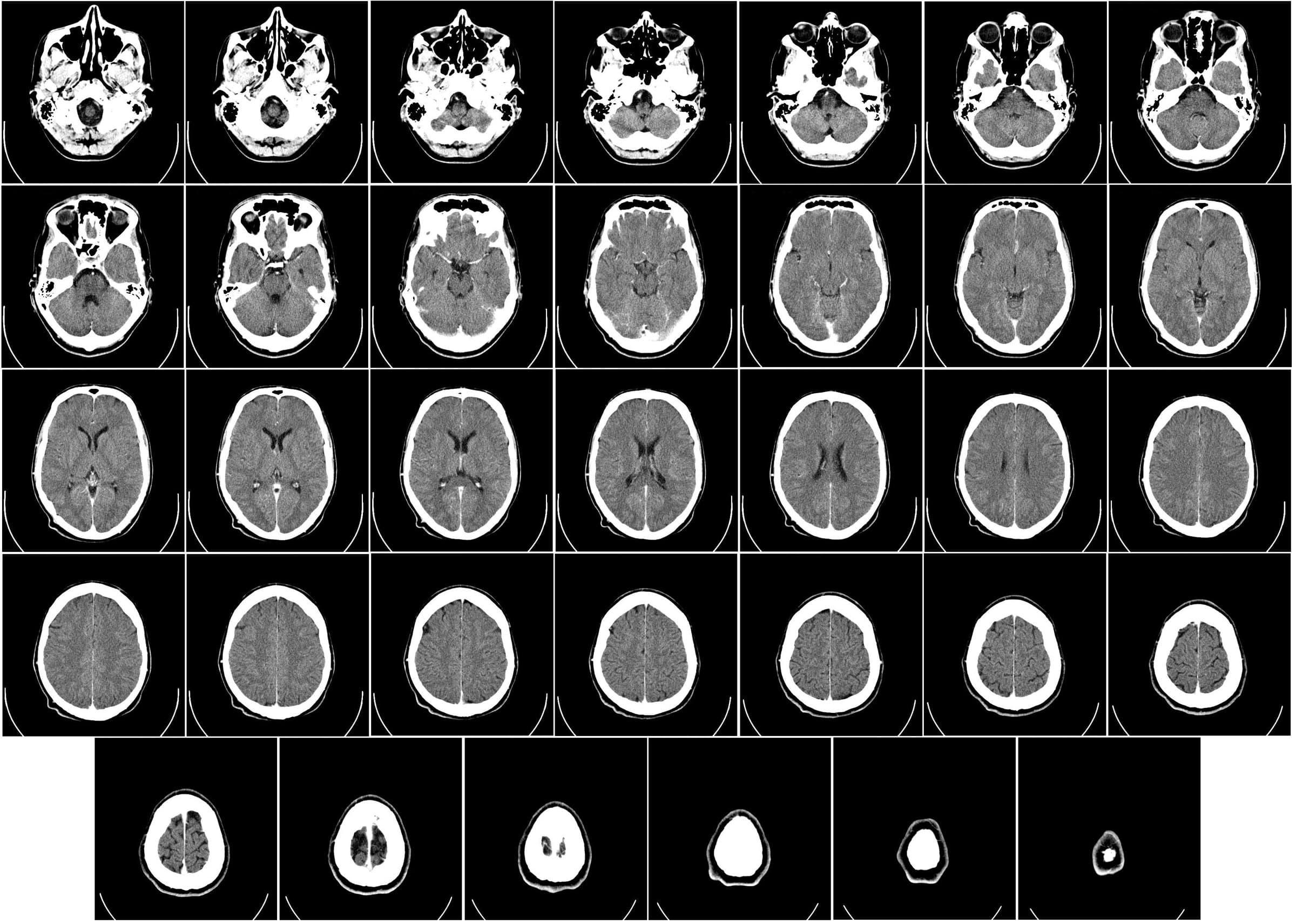

Diagnosing a herniated disc in the neck is very important for both patients and healthcare professionals, and choosing the right diagnostic methods is the starting point of this process. MRI imaging shows nerve tissue and surrounding structures in detail, which is why it is frequently used to diagnose a herniated disc in the neck. MRI shows the affected area in three dimensions, providing information about the extent and location of the damage. Nerve conduction studies measure the electrical activity of the nerves. These tests help determine nerve damage and detect nerve compression, and they are important in addition to other tests, especially when nerve damage is suspected. A thorough diagnostic process for a herniated disc in the neck begins with the patient's complaints and clinical findings and then continues with tests such as MRI and nerve conduction studies. This process is important for an accurate diagnosis and treatment plan.
Specialists use these methods to evaluate the patient's condition and create a personalized treatment plan.
Treatment Methods for a Herniated Disc in the Neck
Different approaches are used to treat a herniated disc in the neck, depending on the patient's condition and symptoms. Physical therapy and rehabilitation are usually the first step. These methods improve flexibility and strength and reduce pain. In severe cases, or when conservative treatment does not work, surgery may be needed. Surgery includes techniques such as repairing or removing the damaged disc and stabilizing the space between the vertebrae. However, given the surgical risks and long recovery period, it is seen as a last resort. Pain management is very important in treating a herniated disc in the neck. Pain relievers and anti-inflammatory drugs ease the pain and make daily activities more comfortable. Patient education and medical check-ups make treatment more effective and prevent complications.
Every patient should consult a healthcare professional about their treatment plan. This helps determine the most appropriate treatment method.
Preventing a Herniated Disc in the Neck and Lifestyle Changes
To prevent and recover from a herniated disc in the neck, we need to make changes to our daily lives. Proper posture techniques are very important: we should pay attention to correct posture while at the computer, watching television or reading a book. We should make ergonomic adjustments at work and at home. It is important for the computer monitor to be at eye level and for the chair to have lumbar support. These small changes can make a big difference. Routine exercises and movement strengthen the neck muscles. Stretching and strengthening exercises for the neck and shoulder area increase muscle flexibility and keep the spine strong and flexible. Regular walking and swimming are good for overall health and help keep excess weight under control, which reduces the risk of a herniated disc in the neck. Nutrition and stress management are also important. Anti-inflammatory diets and omega-3 foods help prevent inflammation, and stress management reduces muscle tension and pain.
Meditation, deep breathing and regular sleep are ways of coping with stress. These techniques make it easier for us to deal with a herniated disc in the neck.
The information on our website is not intended to direct individuals to any treatment. Do not take any diagnostic or treatment steps without consulting your doctor. The content does not contain information about İzmir Can Hastanesi's therapeutic healthcare services.