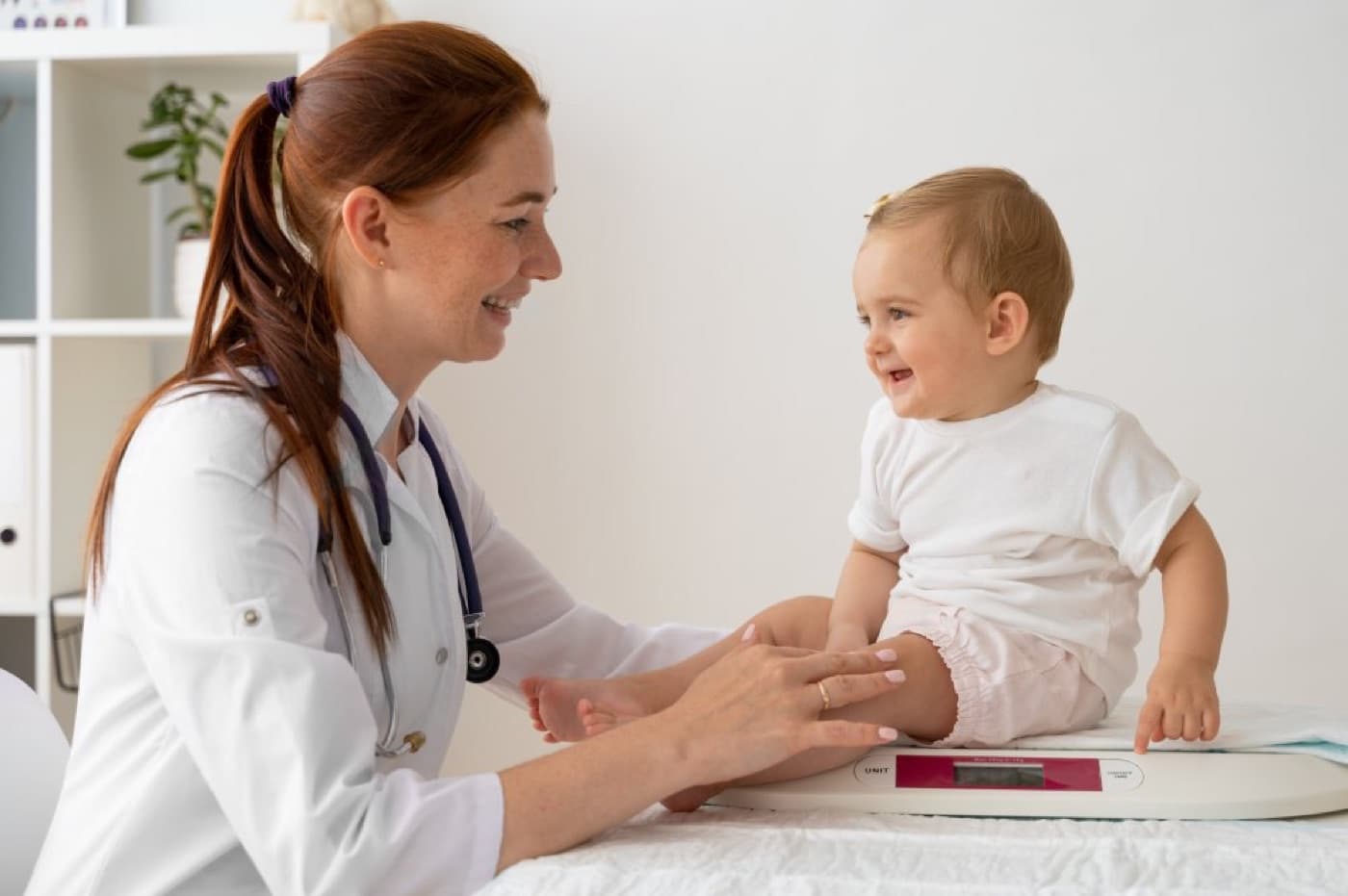
Experts agree that preschool helps children socialize, share and interact with other children and adults. Your three-year-old is out of diapers and enjoys playing with peers, but are they ready to start preschool? And are you, as parents, ready? As for what school contributes to your child's development, expert opinion agrees that starting school, a stage in moving beyond parental supervision, is an important experience that should be considered for most children.
Starting Preschool Education
Socialization is one of the best indicators of whether a child is ready for preschool. If your child likes being with other children and is capable of socializing and separating from their mother, they may be ready to begin their education. If your child is anxious about being away from you, they may experience difficulties. In a highly stimulating environment, preschool can backfire if your child is not ready for separation.
As parents, you know when your child is experiencing separation anxiety. Another indicator that a child is not ready for preschool is toilet training. If your child is not toilet trained, this will cause concern; especially in younger age groups, factors such as other children of the same age no longer wearing diapers and teachers being reluctant to change diapers may become deciding issues.
If, because of these signs, your child is not ready for preschool as early as you would like, don't let this worry you. These are not the only factors in your child's readiness for school or in gaining social skills, nor do they mean that your child will not be able to adjust. You can get support for your child's development from child psychiatrists and expert educators.
These are not the only factors in your child's readiness for school or in gaining social skills, nor do they mean that your child will not be able to adjust.
Preparing Children for School
When it is time for your child to begin their education, you can research the conditions that will provide the best environment for them. Observe what the goals are for your child's age group and how suitable the classrooms and facilities are. You can prepare your child for school by building expectations rather than anxiety. Because children feel safer when they know what to expect, this helps prepare them for the idea of school.
We recommend that parents talk with their children about what will happen at school, what they will do there, how useful and fun it can be, and opportunities such as making new friends. This will help your children develop positive feelings about school. Also, don't prepare everything for your children yourself: let them choose their backpack, and they can even help you get ready and prepare their lunches. In this way, you can help them feel more prepared not only for school but for life as well.
As your child gets ready for school, you can support them in combing their own hair, putting on their own pants, and experiencing a sense of achievement and self-confidence. Developing their own skills in eating, using the toilet and other daily activities, and being able to manage on their own, will reduce feelings such as loneliness and lack of control in their school life. Experts advise, "Learn how your child learns to say goodbye." In the first days of dropping your child off at school, make sure they are busy with or absorbed in something in the classroom before you leave, then say a firm goodbye and go. It should not be forgotten that the most basic rule for anxious parents is "don't linger."
Remember, every child is a future adult and a valuable contribution you make to society. For their future and the future of society, today must be filled with instructive experiences.
The information on our website is not intended to direct individuals to any treatment. Do not take any diagnostic or treatment steps without consulting your doctor. The content does not contain information about İzmir Can Hastanesi's therapeutic healthcare services.