Eye health is essential for maintaining the quality of our vision. As we age, we may face certain problems. Cataract is one of them. Cataracts have many causes; age, environmental factors, serious eye injuries and health conditions are some of them. Cataracts become more common with aging.
If you are 60 or older and your vision is becoming blurry, you may have a cataract. You can make an appointment with your eye doctor for cataracts, one of the common age-related conditions. A cataract occurs when the lens of the eye gradually becomes cloudy, causing vision problems. With aging, the lens of the eye is affected and clear vision is impaired. A cataract forms when the eye's natural lens loses its transparency.
The lens of the eye focuses light onto the retina. A healthy lens is completely transparent, but with a cataract the lens becomes cloudy. This makes it difficult for light to be focused onto the retina and causes vision problems. Cataracts are very common both in Türkiye and around the world. Early diagnosis and treatment reduce vision loss, and regular examinations are also very important for protecting eye health.
The Main Causes of Cataracts
Oxidative stress, constant exposure to ultraviolet rays and metabolic disorders cause cataracts to form. Oxidative stress impairs the transparency of the lens. This speeds up cataract formation. Exposure to ultraviolet rays leaves the lens open to harmful effects. Prolonged exposure to sunlight causes the lens to lose its transparency. This is more common among people who work outdoors for long periods.
Metabolic disorders, especially diabetes, increase the risk of cataracts. People with diabetes are known to be a group with a higher likelihood of developing cataracts. High glucose levels damage the lens proteins. The main causes of cataracts are oxidative stress, exposure to ultraviolet rays and metabolic disorders. These factors affect eye health and increase the risk of cataract formation.
Cataract Risk Factors and Prevention
Cataracts are a very important condition in terms of protecting eye health. Factors such as diabetes, smoking, high myopia and genetics play a role in cataracts. Lifestyle changes are very important for reducing these risks. These lifestyle changes include quitting smoking, eating healthily and going for eye examinations. This improves eye health and reduces the risk of cataracts. Sunglasses and antioxidants also help protect eye health.
In short, lifestyle changes and measures that protect eye health are important for preventing cataracts. This reduces the risk of cataracts and improves overall health.
Cataract Surgery and Treatment Options
Cataract surgery is the best method for restoring visual function in advanced cataract cases. Today, a minimally invasive operation is performed using the phacoemulsification technique. In this method, the lens is emulsified with ultrasonic waves and removed by aspiration, offering a fast and reliable solution.
In this method, the lens is emulsified with ultrasonic waves and removed by aspiration, offering a fast and reliable solution.
Lens replacement is an important part of cataract surgery. The natural lens that is removed is replaced with a biocompatible artificial lens. These lenses improve the person's quality of vision and provide clear sight at distance and near. The choice and placement of the lens affect the success of the surgical outcome.
Follow-up after cataract surgery is important for maintaining the success of the operation and reducing complications. Patients should attend regular checkups and take proper care of their eyes. This speeds up healing and helps the eye adapt to the new lens.
What Are the Symptoms of Cataracts?
A cataract develops when the lens of the eye becomes cloudy. This can seriously affect vision. Eye problems can make your daily life difficult. Blurred vision and double vision are among the symptoms of cataracts. Difficulty seeing at night, faded colors and sensitivity to light are some of the other symptoms.
An eye examination establishes the diagnosis of a cataract. Eye doctors take a detailed look at the structures of the eye. This is done to examine the condition of the lens and the other parts of the eye. Imaging techniques such as ultrasound confirm the presence of a cataract. Early diagnosis is very important in cataracts. A timely examination reduces vision loss. Regular visits to the eye doctor are important for protecting eye health.
Cataracts usually form slowly, and you may not notice you have one until it starts to block light. The main symptoms of cataracts are:
- Blurry or dim vision
- Nearsightedness (in older adults)
- Changes in the way you see colors
- Problems driving at night
- Problems with glare during the day
- Double vision in the affected eye
- Problems with glasses or contact lenses no longer working well
How Are Cataracts Diagnosed?
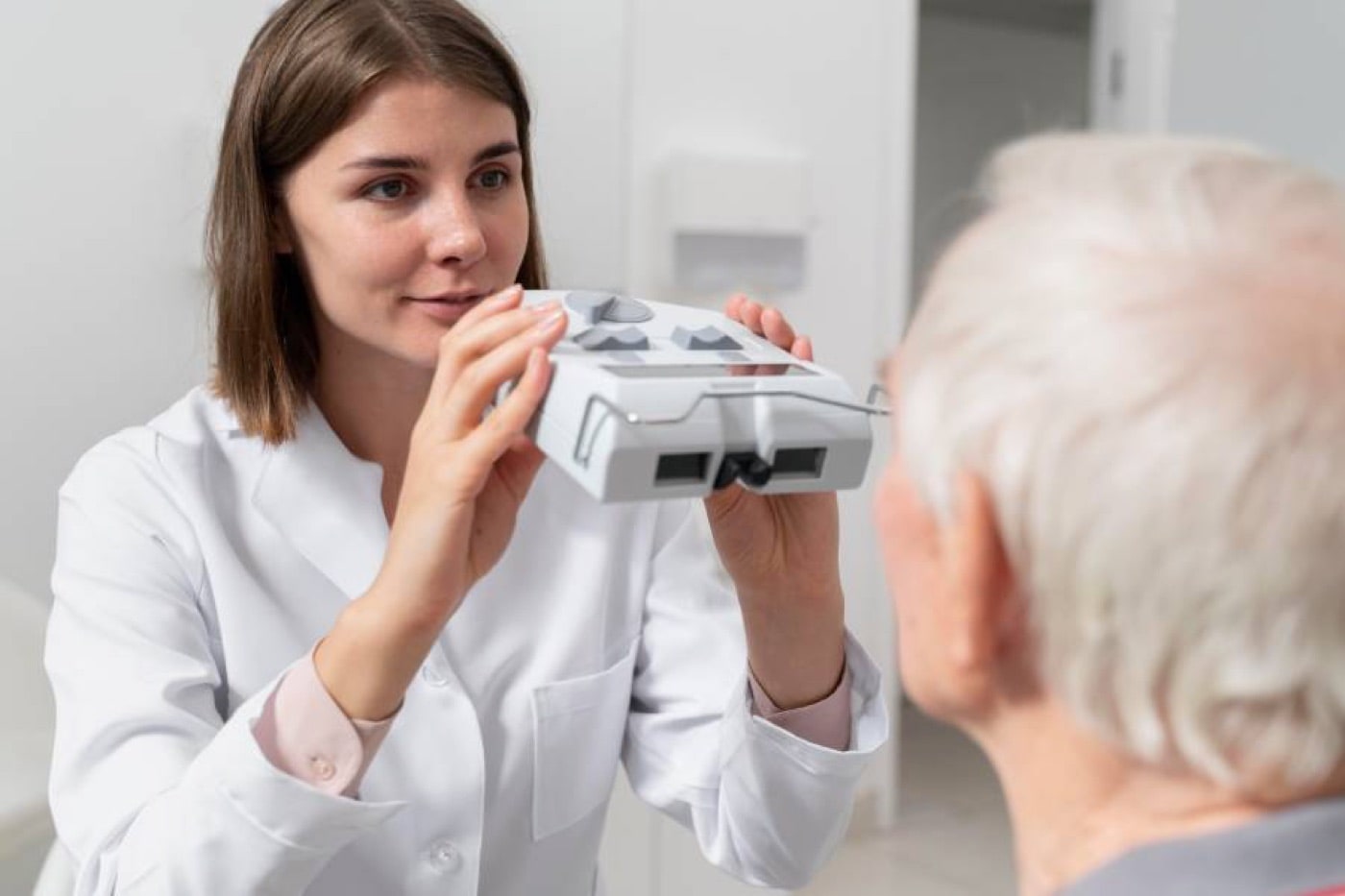
To find out whether you have a cataract, your doctor will want to know all about your symptoms. They will take a close look at your eyes and may do some tests, including:
- Visual acuity test . This is a fancy way of saying “eye chart exam.” Your doctor will ask you to read letters from a distance to find out how sharp your vision is. You will try this first with one eye, then with the other. They may also do a glare test, in which they shine a bright light into your eye and then ask you to read the letters.
- Slit-lamp exam . This uses a special microscope with a bright light that lets your doctor check different parts of your eye. They look at your cornea, the clear outer layer. They also examine the iris, the colored part of your eye, and the lens that sits behind it. The lens bends the light that enters your eye so that you can see everything clearly.
- Retinal exam. Your doctor puts drops in your eyes to widen your pupils, the dark spots in the middle of your eyes that control how much light gets in. This lets them look at the retina — the tissue at the back of your eyes — and get a better view of the cataract.
The information on our website is not intended to direct individuals to any treatment. Do not take any diagnostic or treatment steps without consulting your doctor. The content does not contain information about İzmir Can Hastanesi's therapeutic healthcare services.