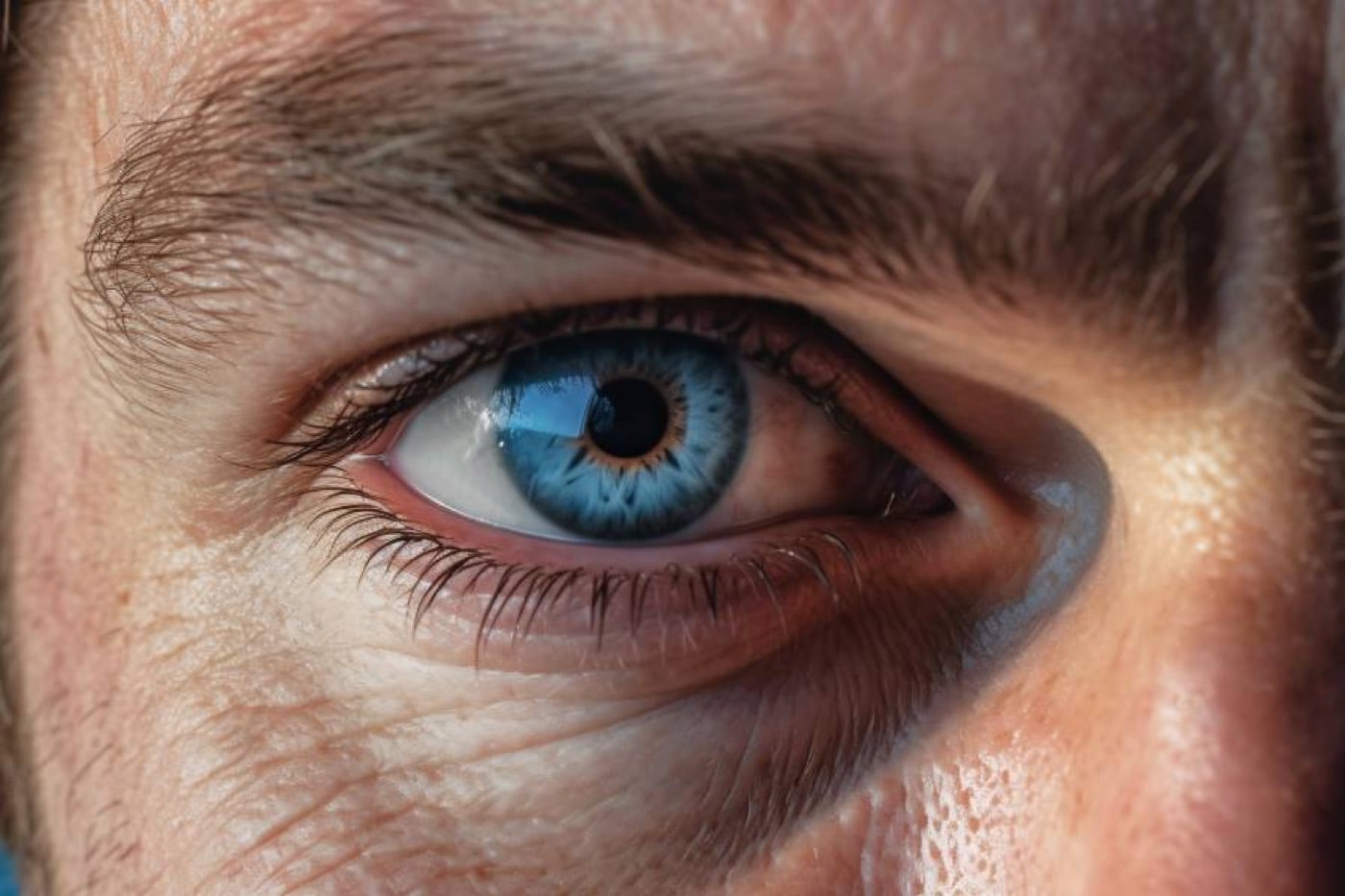
Eye health directly affects our quality of life. Blurred vision is a common visual disturbance. It shows up as symptoms such as being unable to see objects clearly. Ophthalmology specialists note that blurred vision has many causes. These include factors that affect eye health. Regular eye examinations are important for detecting blurred vision early. Diagnosing vision problems in time has a positive effect on treatment. That is why you should have regular checkups to protect your eye health. Blurred vision means not being able to see objects sharply. It occurs when the eye cannot focus on objects correctly. Refractive errors, particularly myopia, hyperopia and astigmatism, cause these problems.
Myopia makes distant objects hard to see clearly. Hyperopia, on the other hand, makes near objects look blurry. Astigmatism affects both near and distance vision because of the shape of the cornea. The eyes also change with age. After the age of 40, presbyopia makes it harder to read text up close. Spending long hours in front of a screen, being exposed to insufficient light or eye strain can also cause blurred vision. Blurred vision is sometimes a sign of a serious eye disease. For this reason, anyone with persistent blurred vision should see an eye doctor. Eye examinations are important for detecting and treating problems early.
Blurred Vision Caused by Eye Health Problems
Eye health problems can lead to blurred vision. Glaucoma develops when the pressure inside the eye rises. This damages the optic nerve and causes blurred vision. If glaucoma is not diagnosed early, it can lead to permanent vision loss. Retinal problems can also cause blurred vision. The retina is the light-sensitive layer at the back of the eye.
Conditions such as diabetic retinopathy or age-related macular degeneration prevent images from being perceived clearly. Dry eye syndrome occurs when tear production decreases or tear quality deteriorates. It causes complaints such as burning, a gritty feeling and blurred vision. If dry eye syndrome is left untreated, it can reduce the quality of vision. Anyone experiencing blurred vision should see an eye doctor. Regular eye examinations allow these problems to be detected early. Measures such as eating a balanced diet, not smoking and wearing sunglasses can help protect eye health.
The Link Between Cataracts and Blurred Vision
A cataract forms when the lens of the eye gradually becomes cloudy. As the natural lens loses its transparency, vision becomes blurred. Symptoms of cataracts include faded colors, reduced night vision and sensitivity to light. The lens of the eye can become cloudy with age. Genetic factors, diabetes or prolonged exposure to sunlight increase the risk of cataracts. Treatment is usually surgical. During surgery, the cloudy lens is removed and replaced with an artificial lens.
Symptoms of cataracts include faded colors, reduced night vision and sensitivity to light.
In the early stages, cataract symptoms can be eased with glasses. In later stages, however, surgery may be needed. After treatment, most patients regain clear vision. Regular eye examinations are important for the early diagnosis and treatment of cataracts.
Systemic Diseases and Blurred Vision
Some diseases can also affect eye health. Diabetes poses a serious threat to eye health. High blood sugar damages the blood vessels of the retina and causes blurred vision. Hypertension also has a negative effect on eye health. High blood pressure damages the blood vessels of the eye and leads to vision problems. Patients can protect their eye health by keeping their blood pressure under control.
Multiple sclerosis affects the nervous system. This condition causes inflammation of the optic nerves. Blurred vision may occur. It is important for patients to take eye complaints seriously and see a doctor. Autoimmune diseases such as lupus and rheumatoid arthritis also affect eye health. Regular health checkups and medical follow-up reduce their effects on the eyes.
Diagnosis and Treatment of Blurred Vision
For people with blurred vision, the first step is an eye examination. The ophthalmologist performs vision tests, measures intraocular pressure and examines the back of the eye (fundus). Advanced imaging techniques may also be used. Treatment depends on the underlying condition. Glasses or contact lenses are used for refractive errors. Cataracts require surgery. Laser treatment may be used for some conditions.
Regular examinations are important for protecting eye health. A healthy diet, enough sleep and taking breaks from screens improve the quality of vision. If you have blurred vision or any sudden change in your eyesight, you should see a doctor right away.
The information on our website is not intended to direct individuals to any treatment. Do not take any diagnostic or treatment steps without consulting your doctor. The content does not contain information about İzmir Can Hastanesi's therapeutic healthcare services.