
Discussions that bridge the historical evolution of circumcision and modern perspectives take a close look at the reasons for the procedure and the factors that directly affect a child's health. When deciding when circumcision should be performed, families consider cultural values as well as medical opinions. This decision also takes into account the psychological and social factors involved in whether it should be done early or later.
The Importance of Circumcision for Child Health
Childhood is a critical period for protecting bodily integrity and ensuring healthy development. Circumcision is an important factor during this time. According to data from the Ministry of Health of the Republic of Türkiye, correct timing and proper care methods are needed to reduce hygiene problems and the risk of infection. Newborn circumcision supports infants' urinary tract health while also preserving skin integrity. Families should seek expert advice to ensure their baby benefits from circumcision at the most appropriate time. During aftercare, paying attention to skin hygiene and attending regular doctor check-ups is extremely important. Choosing high-quality materials increases the child's comfort and reduces potential complications. Following the doctor's recommendations for newborn circumcision speeds up recovery. This can also minimize problems the baby may experience later in life. It is extremely important for parents to share all of their questions with specialists during this process.
Circumcision in the Newborn Period
Newborn circumcision is a critical procedure performed in the first weeks after birth. During this period, wound care is easier to manage because the body heals quickly. Families can plan an early circumcision on their doctor's advice. Experts note that babies' perception of pain may be lower during this period, so they may be more comfortable.
Early intervention offers many advantages in terms of hygiene and long-term health. Some studies show that circumcision at an early age may reduce the risk of infection. For this reason, it is vital to research thoroughly when choosing a doctor or hospital. It is also important to schedule post-operative follow-up appointments regularly. Tests performed before the procedure are used to assess the baby's overall health. These checks help prevent possible complications. Strong family support on the day of the procedure helps the baby stay calm. Advances in medicine and care in line with expert opinion enhance the positive effects of newborn circumcision.
Advantages of Circumcision in the Preschool Years
This age range is a period in which children develop a basic understanding of their own bodies. Families satisfy their children's curiosity by answering the question "What is circumcision?" in language they can understand. A procedure performed at an early age coincides with a stage when social concerns are low. As a result, the recovery period is calmer and supported by routine care.
When expectations are clearly explained to the child, fears and misconceptions decrease. A procedure performed by an experienced physician does not negatively affect body image and provides an environment of trust. A communication-focused approach prevents lasting anxiety from forming in the child's mind. Family guidance helps little ones easily keep up their daily routines.
When combined with a healthy preparation process, circumcision performed in the preschool years takes care of both the child's mental health and bodily integrity. Because there are fewer environmental stressors, recovery is more comfortable and the child embraces the new experience more positively.
Effects of Circumcision at School Age
School age highlights the importance of circumcision in terms of social interaction and peer relationships. During this period, children may face various questions. This means emotional preparation plays a vital role in maintaining academic performance. The differences between newborn circumcision and circumcision at school age require families to make informed decisions. Pediatricians and psychologists note that body awareness is more pronounced at older ages.
Supporting the student's recovery makes returning to school easier. Proper care at home prevents the child from falling behind in lessons. Sensitivities related to age and physical development may lead families to take a different approach. Compared with newborn circumcision, this requires more specific planning. Educational support eases the child's anxiety and helps them take healthier steps toward the future.
Sensitivities related to age and physical development may lead families to take a different approach.
Circumcision in Adolescence and Later
In terms of medical procedures, adolescence represents a change in the individual's level of awareness and emotional sensitivity. This period is particularly important with regard to the individual's integrity and need for privacy. Fear of pain and the influence of the social environment complicate the decision-making process.
Communication between the family and the doctor plays a vital role in a healthy experience. According to data from the Ministry of Health of the Republic of Türkiye, informing young people before the procedure and providing psychological support lowers their stress levels. The older the age at circumcision, the longer the recovery period.
Post-circumcision care supports a comfortable recovery. Dressings at the surgical site require extra attention to hygiene rules. Following the doctor's recommendations regarding social activities and sports prevents problems.
Emotional recovery is as important as the physical process. Adolescents may have to cope with peer pressure and a changing body image. Post-circumcision care, relaxation techniques and regular check-ups reduce anxiety.
Surgical Methods and Technological Advances
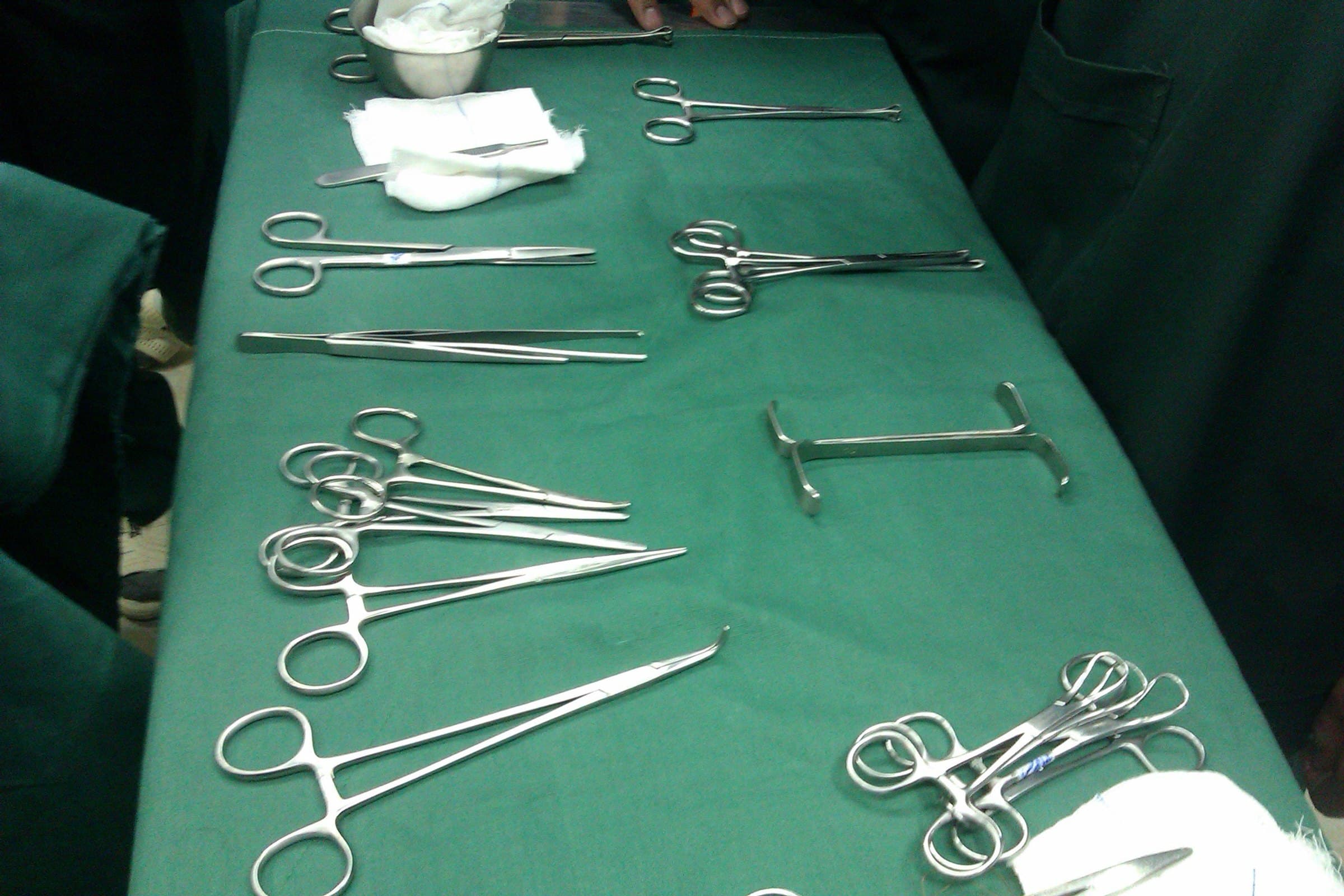

In conventional surgical practice, specialist physicians remove tissue using sterile scalpels and suturing methods. The use of laser technology significantly reduces the risk of infection. Techniques performed with plastic clamps provide greater comfort for the patient because they do not require stitches. Each method may differ depending on the physician's level of expertise and the patient's healing rate. Pain management, high-quality anesthesia and the right choice of instruments are critical during surgery. High-precision instruments and advanced cutting mechanisms increase surgical safety. Specialists rely on data showing that these new devices, which reduce tissue trauma, speed up recovery.
Local or general anesthesia is chosen according to the patient's age group and condition. Stitch-free methods make aftercare easier. Careful observation and appropriate dressing can minimize the risk of complications. Modern advances include innovations such as non-stick materials and special protective bandages. These technologies can minimize sensitivity after circumcision. Procedures performed under specialist supervision are critical for hygiene and patient safety.
The Recovery Process and Care Recommendations
Once the procedure is complete, it is essential that the first dressing is done correctly and carefully. To protect the skin from irritation, non-irritating materials and clean water or solutions recommended by the physician should be used. This protects the skin's sensitivity and supports healing. In the first few days, loose cotton clothing should be worn to help the skin settle and speed up healing. Comfortable, flexible clothing should be chosen to reduce friction or pressure during movement. Pain relievers must only be used under a doctor's supervision and on their recommendation. Children or adults can usually return to their normal routine within a few days. Follow-up appointments set by the doctor should not be missed. While families look for an answer to the question "What is circumcision?", it is important that they follow hygiene rules during the recovery period. Supported by social interaction and psychological support, this period can be overcome more comfortably. In particular, obtaining accurate information about what circumcision is helps relieve concerns and provide reassurance during this process.
Circumcision: Emotional Support Before and After the Procedure
A calm atmosphere at home reduces possible fears and feelings of embarrassment. Age-appropriate information helps the child understand that circumcision will be safe. After newborn circumcision, a compassionate approach from parents allows the child to feel at ease in later years. Anxiety before the procedure can be eased with guidance from a specialist psychologist or an experienced child development specialist. Using simple and clear language when explaining strengthens the child's self-confidence. It should be remembered that simple motivational activities and sharing enjoyable time after the procedure will speed up emotional recovery. An embracing approach builds a positive foundation for body image. Maintaining a supportive attitude in later years also supports both physical and psychological health.
Choosing a Doctor and What to Look for in a Clinic
Trusting a professional specialist makes the circumcision experience easier for both the child and the parents. It is helpful to research the doctor's experience, educational background and scientific approach. Centers approved by the Turkish Medical Association and the Ministry of Health of the Republic of Türkiye provide reassurance in terms of hygiene and medical standards. It is important to observe the hospital environment and talk with the staff before the appointment. The equipment used for the procedure, sterilization methods and post-circumcision care are among the most critical factors for health. Reading patient reviews and clearly communicating your questions supports an informed decision. Ensuring a calm atmosphere during surgery also has a positive effect on recovery. High-quality clinical service contributes to post-circumcision care. Sharing accurate information and regular check-ups play an important role in the child's recovery. Centers with competent teams are the preferred choice in this respect.
Common Mistakes and Popular Misconceptions
Many families think their child will be away from school for a long time after circumcision. This is generally not true. With proper care and professional guidance, recovery progresses more quickly. Specialists help plan this process without disrupting the child's school routine. Another common belief is that circumcision should only be performed at a certain age. In fact, different timing may be recommended depending on each individual's situation. Flexible decisions are made by taking into account the child's physical and psychological readiness.
It is also a mistake to assume every doctor uses the same method. Centers that pay attention to detail adopt more advanced technologies and modern techniques for circumcision. It is important for families to stay away from unverified sources. Choices based on reliable information lead to more successful outcomes.
The information on our website is not intended to direct individuals to any treatment. Do not take any diagnostic or treatment steps without consulting your doctor. The content does not contain information about İzmir Can Hastanesi's therapeutic healthcare services.