Most parents do not know that newborns need eye examinations during their first year. In fact, your doctor should check your baby's eyes at every visit during the first year. If your baby was born prematurely, before 34 weeks, or if there are hereditary conditions such as cataracts or eye tumors in the family, your doctor should definitely perform an eye examination on your baby.
By diagnosing and treating eye diseases early, you can spare your child lifelong vision problems and help improve their overall health.
Why Should Newborns Have an Eye Exam?
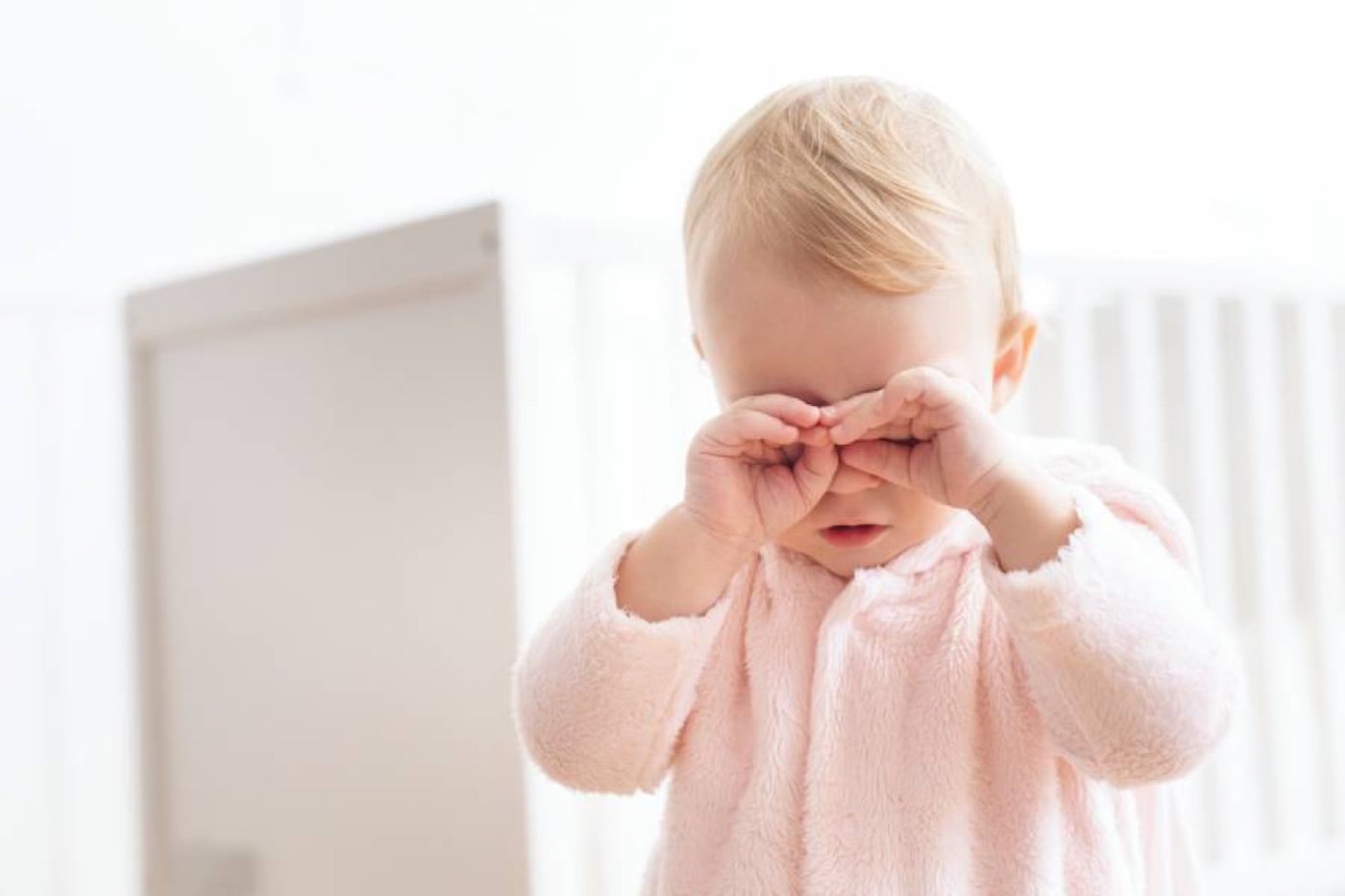
The eye examinations your baby has at birth are a good start, but only a start. If there are any eye health problems, identifying the findings within the first year offers great advantages, because treatment can begin while the eyes are still developing. As your baby grows, their vision will also develop: first they will notice moving objects, and at about one week old they may be able to notice details such as facial expressions (mom's and dad's smiles). It takes a little longer, but at the next stage they will be able to notice colors and gain some depth perception. At the same time, the eye muscles will begin to work.
As a parent who witnesses every moment, you know your child best. If you notice their eyes turning inward or outward, if you have any doubts, or if their pupils appear white in photographs, it may be important to call your doctor. For premature births, we recommend making sure your baby has had an eye examination before coming home. If the examination has not been performed, we recommend requesting an appointment from your doctor as soon as possible.
For premature births, we recommend making sure your baby has had an eye examination before coming home.
How Can You Get an Eye Health Diagnosis for Your Newborn?
Common signs of eye or vision problems you may encounter during the first year include:
- Strabismus: if you think your baby's eyes are not aligned or do not move together.
- Nystagmus: if their eyes appear to jump or wobble for longer than the first 3 months.
- If there is a visible physical change in the eye due to any injury or trauma.
- If you suspect that their vision is not developing in a healthy way.
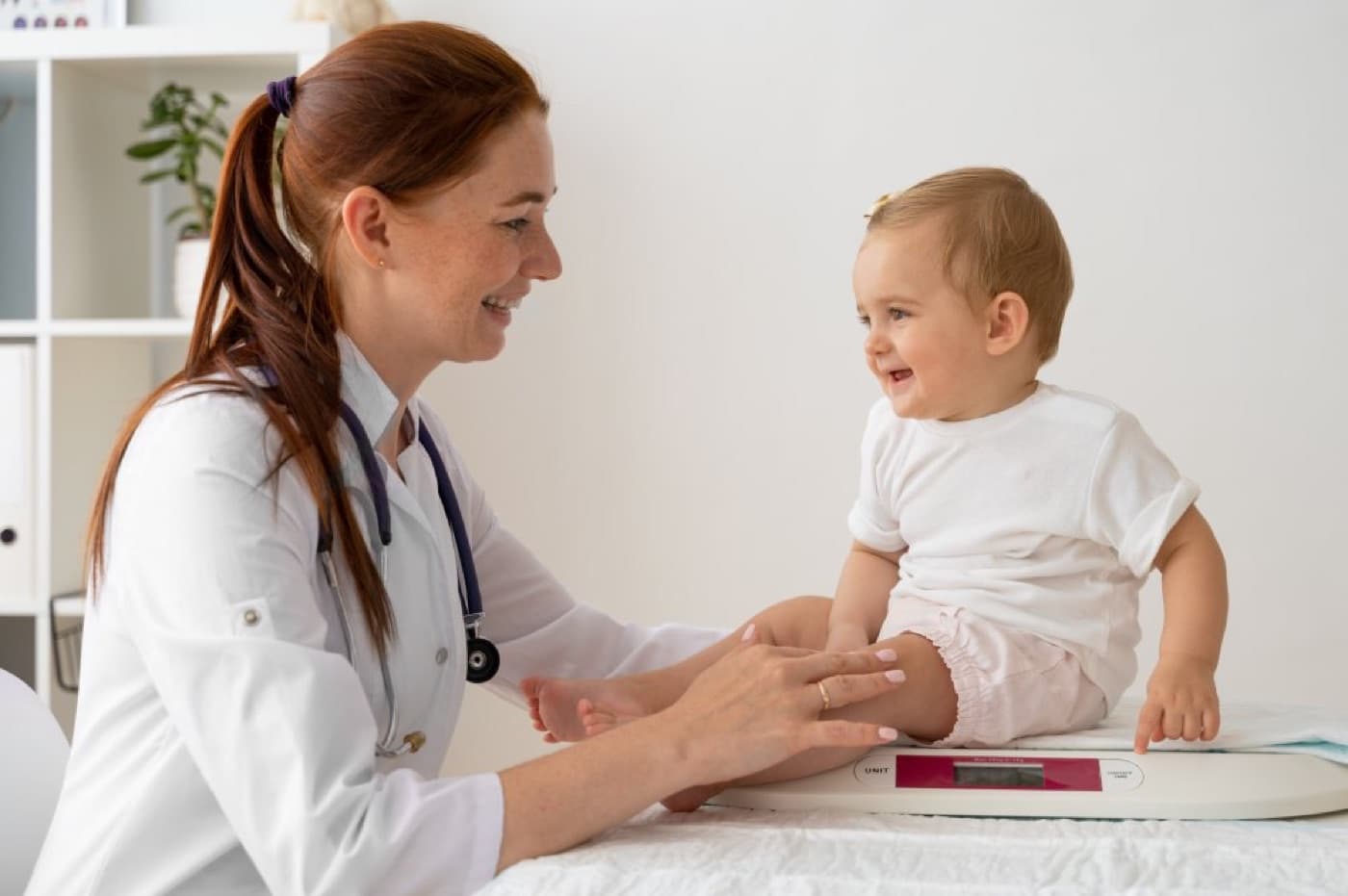
Be sure to consult your doctor; remember that many diseases can be treated much more quickly when diagnosed at the right time. Before your visit, we recommend writing down everything you would like to ask about your baby. To help your baby have a comfortable examination, you can also bring along a toy they feel at ease with and can play with quietly.
What we recommend including in a baby's eye health examination:
- A family history of eye health or vision problems
- A penlight examination of the eyelids and eyeballs: Are the pupils the same size? Are the eyelids firm rather than droopy? Are there signs of infection, disease, tear problems or allergies?
- An eye movement check: how well does your baby follow an object when the doctor moves it?
- A light response test: take your baby into a dark room so that their pupils dilate. This provides a better setting for looking for the red reflex in your baby's eyes, or for checking for an abnormal response or problems such as cataracts or tumors.
Although most doctors know how to check the eyes of babies and children, we may recommend an additional examination even if there is no eye health problem. Experts may have different opinions about vision screening in children, so be sure to ask your doctor what is right for you.
The information on our website is not intended to direct individuals to any treatment. Do not take any diagnostic or treatment steps without consulting your doctor. The content does not contain information about İzmir Can Hastanesi's therapeutic healthcare services.