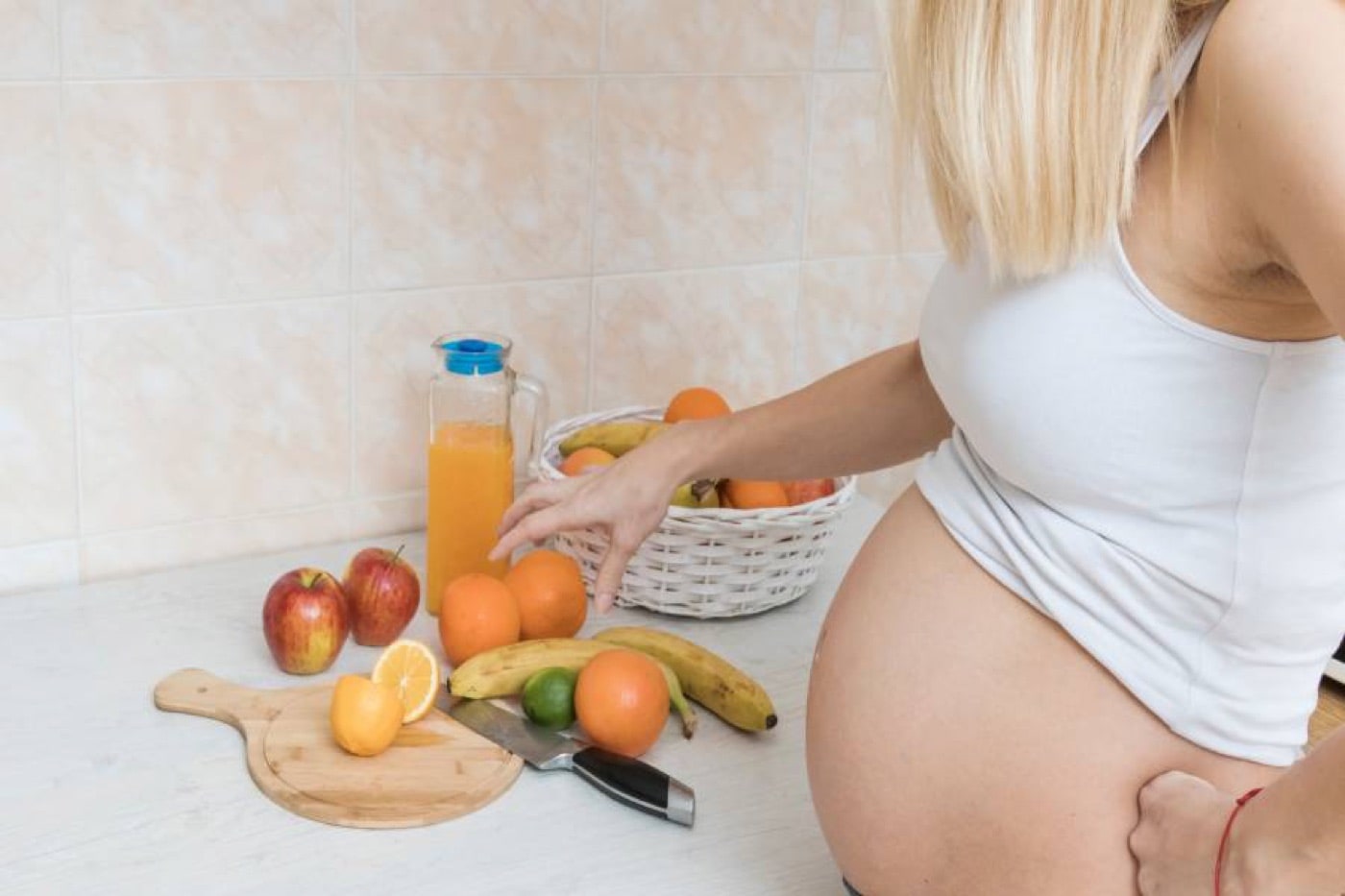
Nutrition during pregnancy is one of the most important topics for expectant mothers. Eating well during pregnancy protects the mother's health while also helping the baby grow healthily. For this reason, a pregnancy nutrition plan should be rich in vitamins and minerals and meet the mother's needs.
Nutrition during pregnancy includes all the nutrients needed for the growth and development of the fetus. Expectant mothers should therefore be well informed about nutrition during pregnancy and make healthy choices. A sound pregnancy nutrition plan protects the mother's health while helping the baby develop in the best possible way.
So, how should you eat during pregnancy? Here are the key points of healthy eating during pregnancy:
The Importance of Healthy Eating During Pregnancy
Pregnancy is a critical period for both mother and baby. During this time, the expectant mother's eating habits directly affect the baby's development and her own health. A pregnancy diet plays a vital role in meeting the mother's energy needs and supporting the baby's growth. It is therefore essential for the expectant mother to get enough of the basic nutrients during this period for the baby's healthy development.
During pregnancy, eating foods that support blood production is important for meeting the mother's iron needs and preventing iron deficiency anemia. Iron deficiency can lead to serious health problems such as fatigue and anemia. Including iron-rich foods in the pregnancy diet is therefore critical for meeting the expectant mother's iron needs. Foods such as red meat, eggs, dark leafy greens and legumes are rich sources of iron.
Weight control is an important factor during pregnancy. Excessive weight gain can lead to serious health problems such as gestational diabetes and preeclampsia. A balanced nutrition plan and regular exercise are therefore vital for healthy weight gain. Choosing foods such as fruits, vegetables, whole grains and lean protein sources is essential for weight control.
Choosing foods such as fruits, vegetables, whole grains and lean protein sources is essential for weight control.
Healthy eating during pregnancy meets the basic nutritional needs of both the expectant mother and the baby. These nutrients include protein, calcium, folic acid, iron and omega-3 fatty acids. A balanced pregnancy diet includes a variety of foods that provide these nutrients in sufficient amounts. This is critically important for the baby's healthy growth and development.
Creating a Pregnancy Nutrition Plan
Pregnancy is a period that directly affects the health of the expectant mother and the baby. It is therefore essential for the nutrition plan to be balanced and varied. Eating 3 main meals and 2–3 snacks a day plays a critical role in keeping blood sugar stable. Portion control is vital for preventing overeating and the resulting weight gain. Meal planning should include a balanced intake of protein, carbohydrates, fats, vitamins and minerals. Omega-3-rich fish such as salmon, mackerel and sardines are beneficial when eaten 2–3 times a week. However, fish with a high mercury content, such as swordfish, should be avoided.
Expectant mothers with food allergies should adjust their diet accordingly. Avoiding allergenic foods protects the health of both mother and baby. Consulting a dietitian will therefore help you create a personalized plan and have a healthy pregnancy.
Foods to Be Careful About During Pregnancy
Nutrition plays a vital role for both mother and baby during pregnancy. When creating your nutrition plan during this period, you need to pay attention to certain critical foods. It is essential to stay away from raw or undercooked meat, unpasteurized dairy products, high-mercury fish and substances such as caffeine. These products may contain bacteria, parasites or toxins that could adversely affect your baby's development.
Food allergies are an important factor in a pregnancy nutrition plan. If you or your family have a food allergy, it is best to avoid those foods and seek your doctor's advice. Vitamin and mineral supplements are another key element you should add to your pregnancy nutrition program. Supplements containing essential nutrients such as folic acid, iron, calcium and vitamin D are critically important for your baby's healthy growth.
For some foods commonly eaten during pregnancy, you need to pay attention to portion sizes and how often you eat them. For example, eating 2–3 servings of oily fish a week provides omega-3 fatty acids that benefit your baby's brain development. However, remember to avoid high-mercury fish. Milk and dairy products are also rich in calcium, so 2–3 servings a day are recommended. By keeping these important points in mind, you can prepare a nutrition plan suited to the needs of you and your baby.
The information on our website is not intended to direct individuals to any treatment. Do not take any diagnostic or treatment steps without consulting your doctor. The content does not contain information about İzmir Can Hastanesi's therapeutic healthcare services.