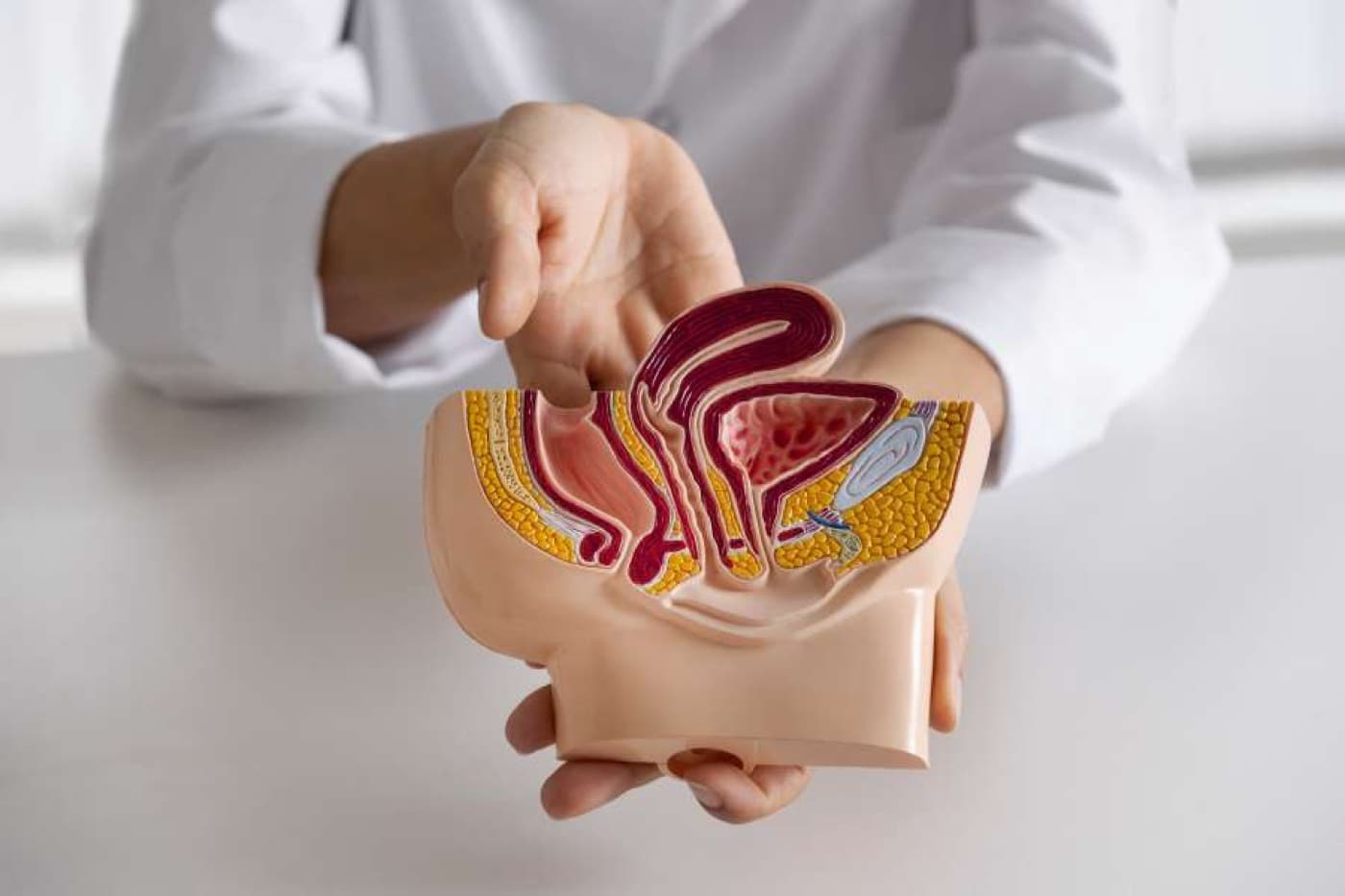
Colorectal cancer, also known as colon cancer, is the growth of cancerous cells in your colon or rectum and may not cause symptoms in its early stages. The problems that cause symptoms usually begin after it has spread. Regular screening for colorectal cancer is vital for early diagnosis, especially if you are at higher risk for reasons such as your family medical history. Tests and regular check-ups are very important for the early diagnosis of cancer.
Colon Cancer Symptoms
The symptoms of colon cancer can vary depending on where the cancer is located in the digestive system. Colon cancer occurs in different areas depending on its type. Histopathologically, the most common subtype of colorectal cancer is adenocarcinoma. Unlike adenocarcinomas, non-adenocarcinoma tumors are less common.
Hereditary colon cancer is seen in approximately 5–10% of people with a family history of colon cancer. The symptoms of colon cancer can also vary depending on the stage of the cancer. Colon cancer has five stages, and three of these stages have three substages each.
Stage 0 colon cancer symptoms
Stage 0 cancer is also called carcinoma in situ. It is found in the inner lining of your colon or rectum but has not spread. Usually, no symptoms are seen at this stage.
Stage I colon cancer symptoms
If you have stage I colon cancer, the cancer may have spread beyond the lining (or mucosa) of your colon or rectum and grown into the muscle layer. At this stage, the cancer has not reached your lymph nodes or other parts of your body.
Your symptoms may include:
- Abdominal cramps or pain
- Excessive gas
- Changes in stool shape or color
- Rectal bleeding
- Blood in your stool
- Constipation
- Diarrhea
Stage II colon cancer symptoms
At this stage, the cancer has spread into the walls of your colon or rectum and possibly into nearby tissues, but it has not spread to nearby lymph nodes.
Stage II colon cancer has three substages:
- In stage IIA, the cancer has spread into the outer layers of your colon or rectum but has not gone through them or reached nearby organs or lymph nodes. It has also not spread to more distant parts of your body.
- In stage IIB, the cancer has gone through the outer layer of your colon or rectal wall. It has not spread to the lymph nodes or nearby tissues.
- In stage IIC, the cancer spreads through the wall and also attaches to nearby tissues and organs. At this stage, the cancer has not spread to the lymph nodes.
Stage III colon cancer symptoms
At this stage, the cancer has grown into your lymph nodes. The three substages of stage III colon cancer are:
At this stage, the cancer has grown into your lymph nodes.
- Stage IIIA is when the cancer is in the inner layers of your bowel wall (up to the muscle layer) and has spread to one to three nearby lymph nodes, or has reached only just beneath the innermost layers and has spread to four to six nearby lymph nodes.
- Stage IIIB is when more layers of your colon or rectal wall are affected but the cancer has spread to only one to three lymph nodes. If the cancer has spread to fewer layers of the colon or rectal wall but to four or more lymph nodes, this is also considered stage IIIB.
- Stage IIIC is when the cancer has spread to the outer layer and is in four or more lymph nodes. This stage also includes cancer that has spread to a nearby organ but only to one or more lymph nodes.
Some symptoms that may be seen during stage III include:
- Unexplained weight loss
- Exhaustion
- Weakness
- Long-term changes in your stool
- Being unable to empty your bowels
- Abdominal cramps or pain
- Excessive gas
- Changes in stool shape or color
- Rectal bleeding
- Blood in your stool
- Constipation
- Vomiting
Stage IV colon cancer symptoms
In stage IV colon cancer, the cancer has spread to your organs.
- In stage IVA, the cancer grows into an organ or lymph nodes located farther from your colon.
- In stage IVB, the cancer has spread to more lymph nodes and to more than one distant organ.
- In stage IVC, the cancer has spread to the lining of the abdominal cavity (peritoneum); it may also have spread to other distant organs.
At this stage, your symptoms include:
- Jaundice
- Swollen hands and feet
- Difficulty breathing
- Chronic headaches
- Blurred vision
- Bone fractures
Pelvic pain and anemia (an unusually low red blood cell count) due to bleeding in your bowels may be among the symptoms of cancer.
Screening tests recommended by the Ministry of Health for the early diagnosis of colorectal cancer, as part of its efforts to raise public awareness of cancer and promote public consciousness:
- A fecal occult blood test every 2 years for men and women aged 50–70,
- A colonoscopy every 10 years between the ages of 50 and 70.
We recommend that you do not neglect your health; with regular health screenings, you can improve your quality of life and prevent many serious health problems by diagnosing them early.
Frequently Asked Questions About Colon Cancer Symptoms

Can colon cancer be completely cured?
When colon cancer is diagnosed at an early stage, treatment is usually successful. Treatment can also be successful in some advanced cases in which the cancer has spread to only one or a few spots in the liver or lungs. In these cases, surgery can increase life expectancy and may possibly cure the cancer.
Can colon cancer come back after surgery?
After surgery for colon cancer, chemotherapy is given depending on the stage of the disease to prevent it from recurring.
What is the risk of death from colon cancer?
Colon cancer, one of the most common types of cancer, is among the treatable diseases, and the risk of death can be reduced with early diagnosis and treatment.
Source: https://hsgm.saglik.gov.tr/tr/kanser-taramalari.html
The information on our website is not intended to direct individuals to any treatment. Do not take any diagnostic or treatment steps without consulting your doctor. The content does not contain information about İzmir Can Hastanesi's therapeutic healthcare services.