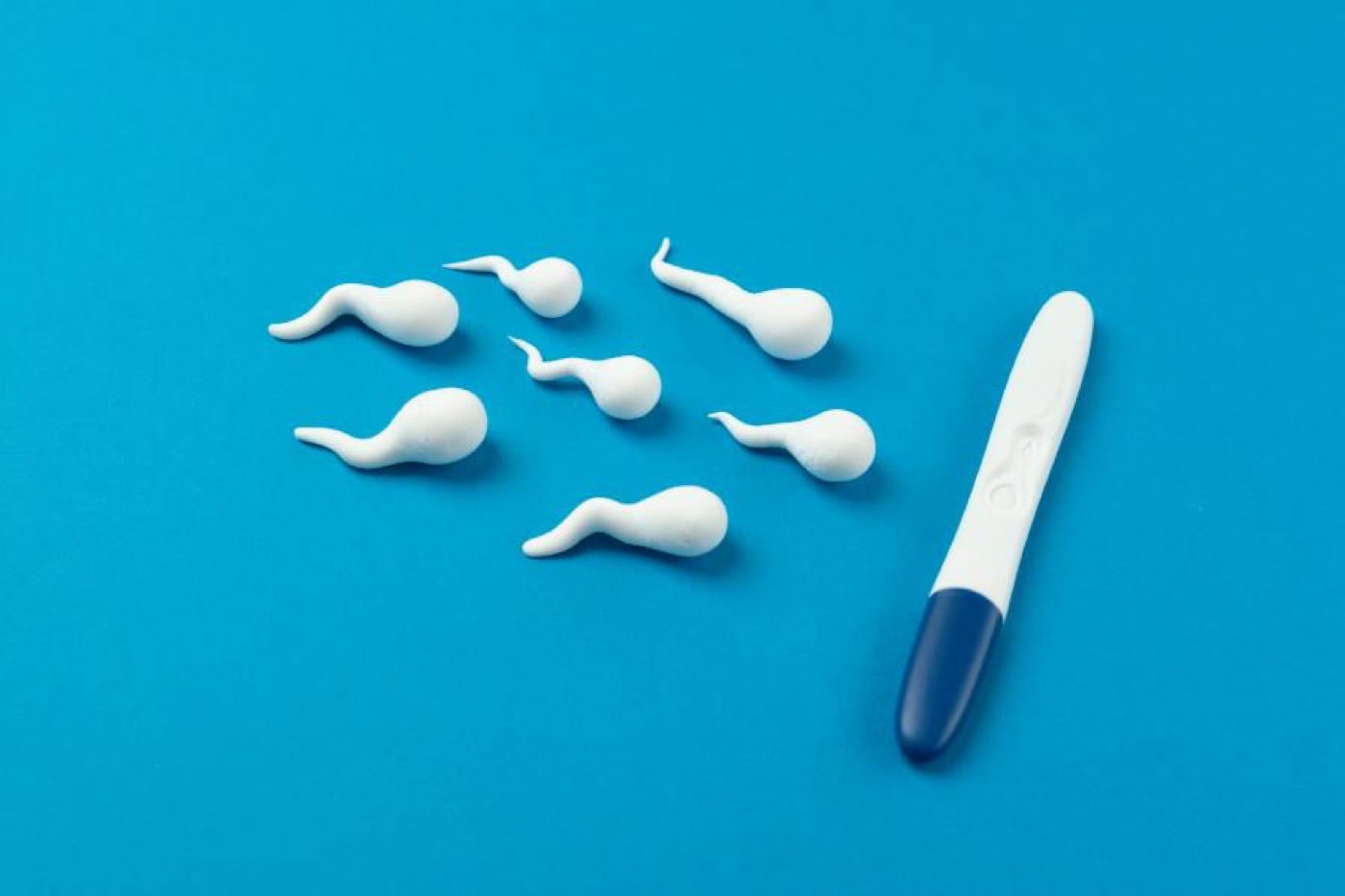
Sperm quality is a critical indicator of male fertility. Examining sperm count, motility and morphology reveals the key elements that determine this quality. A healthy sperm must be able to fertilize the egg and support the development of the embryo. Men's reproductive health is directly related to sperm quality. Poor sperm quality can lead to male infertility and reduce a couple's chances of having a child. That is why it is very important to understand the factors that affect sperm quality and to consider treatment options when necessary.
The Importance of Sperm Quality
Sperm quality is one of the most critical indicators of male fertility. Healthy sperm parameters significantly increase a couple's chances of pregnancy. Sperm quality encompasses factors related to sperm count, motility and morphological structure. These factors directly affect the sperm's ability to reach and fertilize the egg. Poor sperm quality is one of the most common causes of male infertility. Abnormalities in sperm parameters can make achieving pregnancy difficult or even impossible. For this reason, evaluating sperm quality and treating it when necessary is very important. Sperm quality is examined with a semen analysis. This test measures sperm count, motility, morphology and other parameters. The results are evaluated by comparing them with reference values set by the World Health Organization (WHO). In this way, detailed information about the man's fertility is obtained and the necessary treatment plan is made. In conclusion, sperm quality is one of the cornerstones of male fertility. Healthy sperm parameters increase a couple's chances of pregnancy and prevent male infertility. Regular evaluation of sperm quality, and treatment when necessary, play a critical role in protecting male reproductive health.
Factors That Affect Sperm Quality
Sperm quality is a critical indicator of male reproductive health and is shaped by a variety of factors. Lifestyle, particularly smoking, excessive alcohol consumption and physical inactivity, can negatively affect sperm quality. A balanced, healthy diet provides the vitamins and minerals needed for sperm health. Exposure to environmental toxins, industrial chemicals, pesticides and heavy metals can impair sperm production and quality. That is why it is important to avoid such toxins as much as possible. Genetic factors can also affect sperm quality. Some genetic disorders and chromosomal abnormalities can affect sperm production and function.
Chronic conditions, especially diabetes, obesity and hormonal disorders, can lower sperm quality. Managing these conditions effectively can help protect sperm health. Regular exercise, stress management and adequate sleep can improve overall health and, in turn, sperm quality.
How Is Sperm Quality Evaluated?
The most common method for evaluating sperm quality is the spermiogram (semen analysis). This test examines a semen sample to assess male fertility. A spermiogram evaluates important parameters such as sperm count, motility and morphology. Semen analysis is usually performed in an andrology laboratory, and the results are interpreted by a specialist physician. Sperm count measures the concentration of sperm cells in the sample. A normal sperm count is considered to be 15 million or more sperm per milliliter. Sperm motility assesses the ability of sperm to move forward. According to the widely used World Health Organization reference values, total motility should be at least 40% and progressive (forward-moving) motility at least 32%. Sperm morphology examines the shape and structure of the sperm. The proportion of sperm with normal morphology should be above 4%. Spermiogram results provide important information about male fertility. Factors such as a low sperm count, poor motility or abnormal morphology can cause infertility. In this case, repeat tests and further evaluation may be needed. Based on the semen analysis results, the doctor determines the appropriate treatment options and gives the couple the necessary advice.
Signs of Poor Sperm Quality
Poor sperm quality is one of the common causes of male infertility. Sperm disorders such as oligospermia, asthenospermia and teratospermia are indicators of poor sperm quality. Early diagnosis and appropriate treatment of these conditions are vitally important. Oligospermia means a lower-than-normal sperm count. Having fewer than 15 million sperm per milliliter is defined as oligospermia. Asthenospermia is reduced sperm motility. For sperm to move normally, the proportion of sperm with progressive (forward-moving) motility should be at least 32%. Teratospermia is a high proportion of sperm with abnormal morphology. In a healthy sample, the proportion of sperm with normal morphology should be at least 4%. These sperm disorders can occur alone or together. Oligoasthenoteratospermia (OAT) is the presence of all three disorders together. This condition significantly increases the risk of infertility. Poor sperm quality is detected with a semen analysis. The diagnosis is made by evaluating sperm count, motility and morphology.
The signs of poor sperm quality in men may not always be obvious. However, infertility is the most important indicator of poor sperm quality. Failure to conceive despite regular intercourse for one year increases the suspicion of infertility. In this case, a semen analysis is recommended. Poor sperm quality can negatively affect male reproductive health and lead to infertility. With early diagnosis and appropriate treatment, sperm quality can be improved and the chances of pregnancy increased. Therefore, men with suspected infertility should see a urologist.
Sperm Quality and Male Infertility
Poor sperm quality is one of the most common causes of male infertility. To fertilize the egg, sperm cells must be healthy, motile and present in sufficient numbers. Sperm disorders can arise from abnormalities in the shape, movement or number of sperm cells and can lead to male infertility. Varicocele is a condition caused by enlarged veins in the scrotum, and it can negatively affect sperm quality. Varicocele can impair sperm production by raising testicular temperature and can cause hormonal imbalances. Hormonal imbalances can also contribute to male infertility. Abnormalities in hormones such as testosterone, follicle-stimulating hormone (FSH) and luteinizing hormone (LH) can affect sperm production.
Other causes such as genetic factors, infections, blockages and environmental toxins can also lead to male infertility. These factors can directly affect sperm quality or impair sperm production. The interactions between the causes of male infertility can be complex and vary from person to person. That is why it is important for people with suspected male infertility to undergo a comprehensive evaluation.
Other causes such as genetic factors, infections, blockages and environmental toxins can also lead to male infertility.
How Can Sperm Quality Be Improved?
A healthy lifestyle plays a critical role in improving sperm quality. A balanced diet, regular physical activity, stress management and avoiding harmful habits can directly affect sperm health. Your diet should emphasize vegetables, fruit, whole grains, lean proteins and healthy fats. Eating foods that contain important nutrients such as folic acid, zinc, selenium and vitamin C supports sperm quality. Excess weight can negatively affect sperm quality; that is why regular exercise, together with a balanced diet, is important.
Stress can negatively affect sperm production. Stress management techniques, adequate sleep and relaxation exercises can improve sperm quality. Smoking and alcohol use can lower sperm quality, so these habits should be avoided. Stay away from very hot environments, avoid wearing tight underwear and do not sit for long periods. Some supplements and vitamins may support sperm health. However, you should get your doctor's approval before using such products.
Sperm Quality Tests
Various tests are used to evaluate sperm quality. The spermiogram is among the most commonly used. This test measures parameters such as sperm count, motility and morphology. A spermiogram provides a general assessment of male reproductive health and plays an important role in diagnosing infertility. The sperm DNA fragmentation test assesses DNA damage in sperm. DNA damage can negatively affect fertilization and embryonic development. This test is especially important for couples who have experienced recurrent miscarriages or unsuccessful IVF treatments.
Sperm function tests evaluate the ability of sperm to fertilize the egg. These tests include the acrosome reaction test, the sperm penetration assay and the hemizona assay. These tests can help identify the causes of infertility and determine appropriate treatment options. The post-coital test evaluates sperm quality in the cervical mucus after intercourse. This test determines whether the cervical mucus allows sperm to pass through and whether sperm are able to survive and advance in the cervical mucus. The post-coital test can help determine whether cervical factors contribute to infertility.
Supplements to Improve Sperm Quality
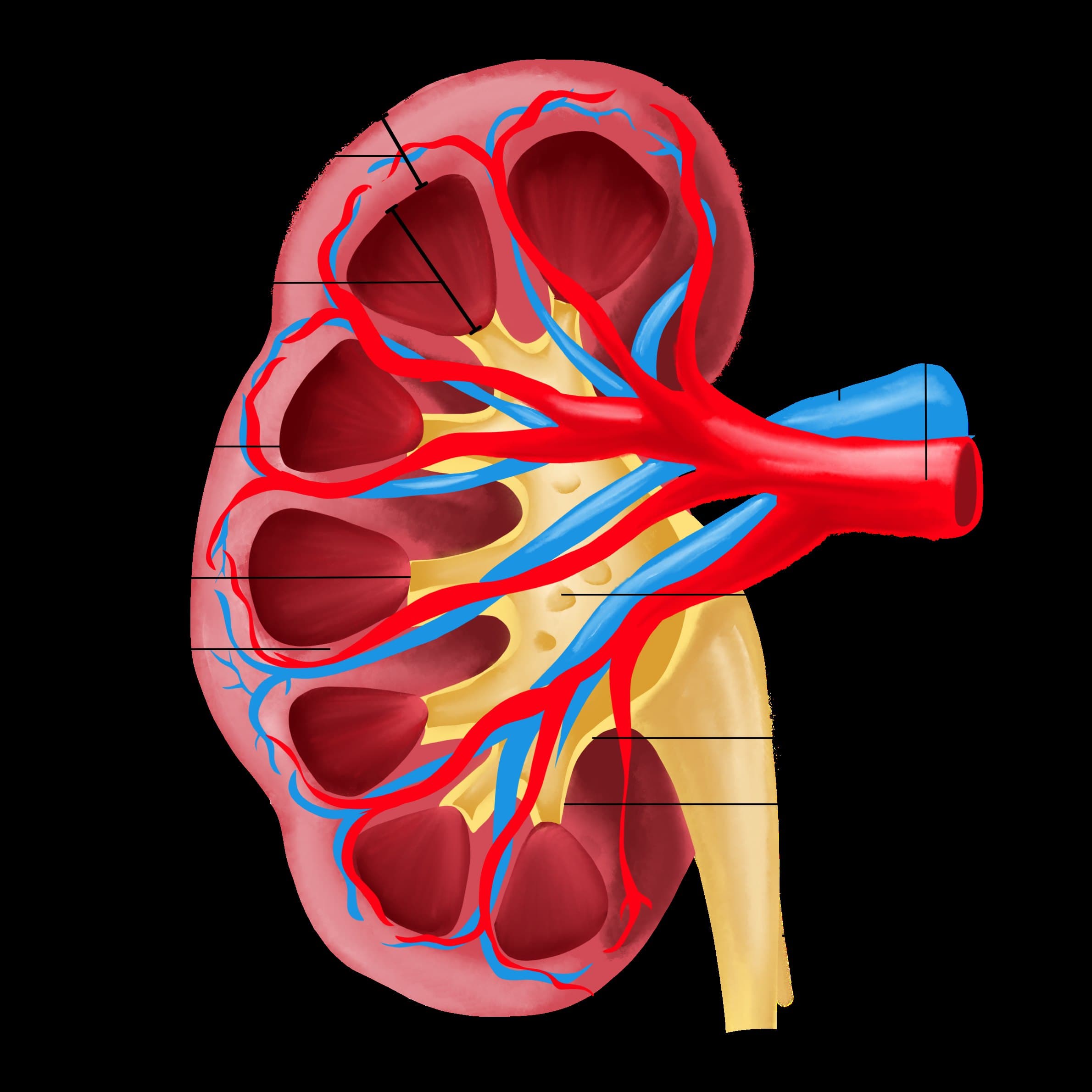

Antioxidants neutralize free radicals in the body while protecting sperm cells from oxidative stress. This significantly improves sperm quality. Zinc plays a critical role in sperm production and in regulating testosterone levels. Selenium is an important factor in this process, directly affecting sperm motility and quality. L-carnitine supports energy production in sperm cells, which in turn increases sperm motility. Coenzyme Q10 can directly affect sperm quality by improving the mitochondrial function of sperm cells. These supplements can be effective tools for supporting sperm health. However, you should get professional advice from a specialist before using any supplement.
Supplements can give more effective results when combined with a healthy lifestyle. A balanced diet, regular exercise and avoiding stress can significantly improve sperm quality. Avoiding harmful habits such as smoking and excessive alcohol consumption is also vital for supporting sperm health.
Medical Treatments and Assisted Reproductive Techniques
Poor sperm quality makes it difficult for many couples to have a child. This can be overcome with various medical treatments and assisted reproductive techniques. Methods such as IVF, ICSI, IUI, sperm donation and microsurgery are among the solutions in this field. IVF involves fertilizing the egg with sperm in a laboratory and then transferring it to the uterus. ICSI involves injecting a single sperm directly into the egg. This technique is especially effective for men with poor sperm quality. IUI involves placing processed sperm into the uterus through a catheter. This method can give successful results in cases of mild male infertility. Sperm donation supports IVF or IUI procedures using donor sperm. Microsurgery is used to treat anatomical disorders that affect sperm production and transport. This surgical technique improves sperm quality and increases the chances of having a child naturally or with assisted reproductive techniques.
Sperm Quality and Overall Health
Sperm quality is a critical indicator of male reproductive health and can also reflect your overall health. Factors such as chronic diseases, a weak immune system and an unhealthy lifestyle can negatively affect both sperm quality and overall health. That is why it is important to take a holistic approach to improving sperm quality. Chronic conditions such as obesity, diabetes and cardiovascular disease can lower sperm quality and cause male infertility. These conditions increase inflammation in the body and lead to free radical damage, which can harm sperm cells. In addition, a weak immune system can affect sperm health by making the body more vulnerable to infections.
Making healthy lifestyle choices to improve your overall health, such as eating a balanced diet, exercising regularly and managing stress, can help improve sperm quality. Avoiding harmful habits such as smoking, excessive alcohol consumption and drug use is also important for protecting your reproductive health. Questions about sperm quality cover a wide range of topics. Correctly interpreting semen analysis results forms the basis of knowledge on this subject. The key factors that determine sperm quality are the data on count, motility and morphology. Values below normal may be an indicator of male infertility.
Recommended tips for sperm health include a balanced diet and regular exercise. Avoiding stress and staying away from harmful habits are also important. Smoking, alcohol and drug use can negatively affect sperm quality. In addition, wearing tight underwear and sitting for long periods can threaten sperm health. If sperm quality is poor, it is necessary to consult a urologist. The specialist will carry out a comprehensive evaluation and determine the appropriate treatment options. Lifestyle changes, vitamin supplements or medical treatments may be recommended. In some cases, assisted reproductive techniques may also be needed. Common myths about sperm quality include false beliefs such as sexual abstinence improving sperm quality or frequent ejaculation reducing sperm count. However, these myths lack a scientific basis.
The information on our website is not intended to direct individuals to any treatment. Do not take any diagnostic or treatment steps without consulting your doctor. The content does not contain information about İzmir Can Hastanesi's therapeutic healthcare services.