It is a fact that iron plays a fundamental role in the healthy growth of babies. Monitoring these levels regularly in the early period is a key element that affects many processes, from a baby's energy level to the strength of their immune system. Insufficient iron can lead to developmental delays and various health problems. Regular checkups and appropriate tests allow deficiencies in iron levels to be diagnosed early. Our aim is to provide comprehensive, high-quality healthcare that always puts your baby's happiness and health first. We embrace this goal in order to improve public health.
The Importance of Iron Levels in Babies
A baby's growth period is a critical time for maintaining adequate mineral levels. Iron plays an important role in transporting oxygen and supports the healthy development of tissues. This is a vital factor for the baby's overall health and development. For parents, the importance of iron is evident in terms of strengthening the baby's immune system and supporting mental development. Experts emphasize that diagnosing iron deficiency early can reduce its lasting effects. Regularly monitoring blood values is one way of tracking the baby's iron levels. Early intervention and a balanced diet are critically important for keeping iron levels at an ideal level. This helps ensure that the baby grows up healthy and has a peaceful future.
Symptoms and Causes of Iron Deficiency in Babies and Children
At an early age, symptoms such as loss of appetite, fatigue and pale skin may be warning signs of iron deficiency. This condition can directly affect a child's physical and mental development. We believe that families should not ignore these symptoms and should seek support at every stage.
Iron deficiency can result from frequent infections, periods of rapid growth and poor eating habits. This condition can weaken the body's energy and immune system. Accurate diagnosis and regular checkups can make a big difference.
According to the World Health Organization, failure to intervene in time can lead to problems in children's school performance and general health. With expert opinions and guidance, we help families manage this process more comfortably. Early awareness and reliable support are important for children's healthy development.
Iron Deficiency Testing and the Evaluation Process
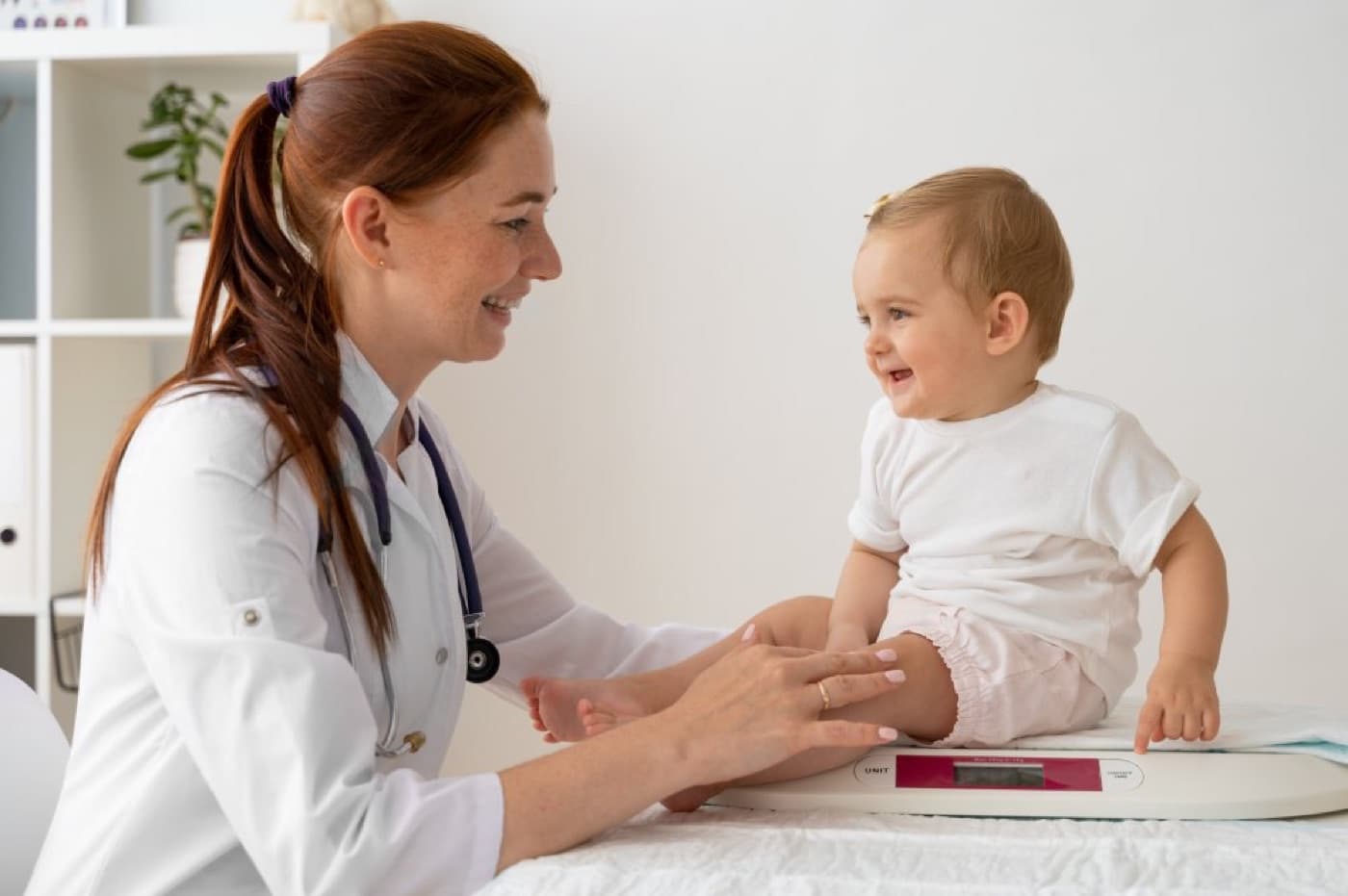
We recommend an iron deficiency test to get a clear picture of your child's iron levels. This is done with simple blood tests. To ease families' concerns, we share every step of the process transparently. By evaluating the situation based on the measured values, we determine the support your child needs.
By evaluating the situation based on the measured values, we determine the support your child needs.
After the test results, we prepare recommendations such as dietary adjustments and additional supplements. Iron-containing foods have an important place in a fortified diet. Foods such as broccoli, spinach and beans support children's healthy development. Fruits and vegetables that are sources of vitamin C help increase iron absorption. This contributes to better results in the long term. During this evaluation, we take both physical and emotional needs into account. For a healthier future, we provide comprehensive information and step-by-step guidance. Our goal is to create a reliable roadmap tailored to each child's unique needs.
Treating Iron Deficiency and Combating Anemia
When iron deficiency is diagnosed, treatment is planned by a specialist physician. We choose the most appropriate treatment method according to the baby's age and general health. Iron supplements, diets made up of iron-rich foods and, when necessary, injections are the cornerstones of treatment. These methods support hemoglobin levels and reduce the risk of anemia.
Monitoring the treatment is another important aspect of this process. Regular follow-up visits allow us to closely track the baby's blood values. We update the treatment protocol when necessary and provide families with information and support. This plays a critical role in maintaining the baby's energy level and reducing the risk of permanent damage.
Long-term nutrition plans are also part of the treatment. Iron-rich foods and doctor-approved supplements help achieve fast and effective results. At every step, we stand by your baby in the fight against anemia and aim to provide comprehensive support.
Important Reminders for Your Baby's Healthy Development
Your baby's healthy growth begins with regular doctor checkups. Following physicians' recommendations in the first years allows possible deficiencies to be detected early. During this period, it is important to be alert to the risk of iron deficiency. Knowing which foods are rich in iron helps keep your baby energetic and active.
Options such as homemade fresh vegetable soups and baby foods with meat help meet iron requirements. When used in cases the physician deems appropriate, iron supplementation aims for healthier growth and development. This supplementation plays a critical role, especially for brain development and the immune system.
We always aim to guide families toward accurate information. Sharing your questions directly with specialists helps you look to your baby's future with confidence. Lifelong habits of good nutrition and regular checkups are the strongest guarantee of a healthy tomorrow.
The information on our website is not intended to direct individuals to any treatment. Do not take any diagnostic or treatment steps without consulting your doctor. The content does not contain information about İzmir Can Hastanesi's therapeutic healthcare services.